

Medically reviewed by licensed healthcare providers at ChatWithDr
GLP-1 medications like Wegovy and Zepbound have transformed weight loss treatment, but there's a catch, most people aren't using them correctly. These medications work by mimicking hormones that regulate appetite and blood sugar, but they're not magic pills. The difference between losing weight and keeping it off versus hitting a frustrating plateau often comes down to a few critical mistakes.
If you're on semaglutide, tirzepatide, or another GLP-1 medication and not seeing the results you expected, you're probably making at least one of these seven mistakes. The good news? They're all fixable.
Mistake #1: Not Eating Enough Protein
This is the most common, and most damaging, mistake people make on GLP-1 medications.
The Problem: GLP-1s suppress appetite so effectively that many people drastically cut calories without thinking about nutrition quality. The result? Up to 40% of weight loss can come from lean muscle mass instead of fat. Losing muscle slows your metabolism, makes you weaker, and sets you up for weight regain once you stop the medication.
When your body doesn't get enough protein, it cannibalizes muscle tissue for energy. On top of that, insufficient protein intake leads to fatigue, hair loss, weakened immunity, and difficulty maintaining weight loss long-term.
The Fix: Make protein the centerpiece of every meal and snack. Aim for at least 0.7-1 gram of protein per pound of ideal body weight daily. That means if your goal weight is 150 pounds, you need 105-150 grams of protein every day.

Practical protein-forward meals include:
- Greek yogurt with berries and nuts for breakfast
- Grilled chicken or salmon with vegetables for lunch
- Lean beef or tofu stir-fry for dinner
- Protein shakes, cottage cheese, or hard-boiled eggs as snacks
Structure your eating around three balanced meals per day, with protein-rich snacks as needed. This approach preserves muscle mass while the medication helps you shed fat.
Mistake #2: Inconsistent Medication Use or Self-Adjusting Dosage
The Problem: Skipping doses, taking medication irregularly, or changing your dosage without medical supervision destroys the effectiveness of GLP-1 treatment. These medications work by maintaining steady levels in your system. When you miss doses or adjust on your own, you lose that consistency, and your progress stalls.
Some people skip doses because of side effects, while others reduce dosage thinking they'll save money or "don't need as much anymore." Both approaches backfire.
The Fix: Take your medication exactly as prescribed, on the same day each week (for weekly injections) or at the same time each day (for daily medications). Set phone reminders. Use a medication tracker app. Whatever it takes to stay consistent.
If you're experiencing side effects or think your dosage needs adjustment, chat with a licensed doctor before making any changes. At ChatWithDr, board-certified physicians can review your progress and adjust your treatment plan within two hours, for just $39.99, no subscription required.
Working with medical professionals who understand GLP-1 medications is crucial for long-term success. They can help you find the right dosage, manage side effects, and ensure you're getting the most from your treatment.
Mistake #3: Not Drinking Enough Water
The Problem: Dehydration is a hidden saboteur on GLP-1 medications. These drugs can cause gastrointestinal side effects like nausea and diarrhea, which increase fluid loss. Meanwhile, reduced appetite means you might naturally drink less.
The result? Bloating, fatigue, constipation, headaches, and weight loss plateaus. Your body needs water to metabolize fat, regulate temperature, transport nutrients, and eliminate waste. When you're dehydrated, everything slows down: including your weight loss.
The Fix: Drink at least 64 ounces (8 cups) of water daily: more if you exercise or live in a hot climate. Here's how to make it happen:
- Start your day with 16 ounces of water before coffee
- Keep a large water bottle with you throughout the day
- Set hourly reminders to take sips
- Add lemon, cucumber, or mint if plain water bores you
- Limit caffeine, which acts as a diuretic
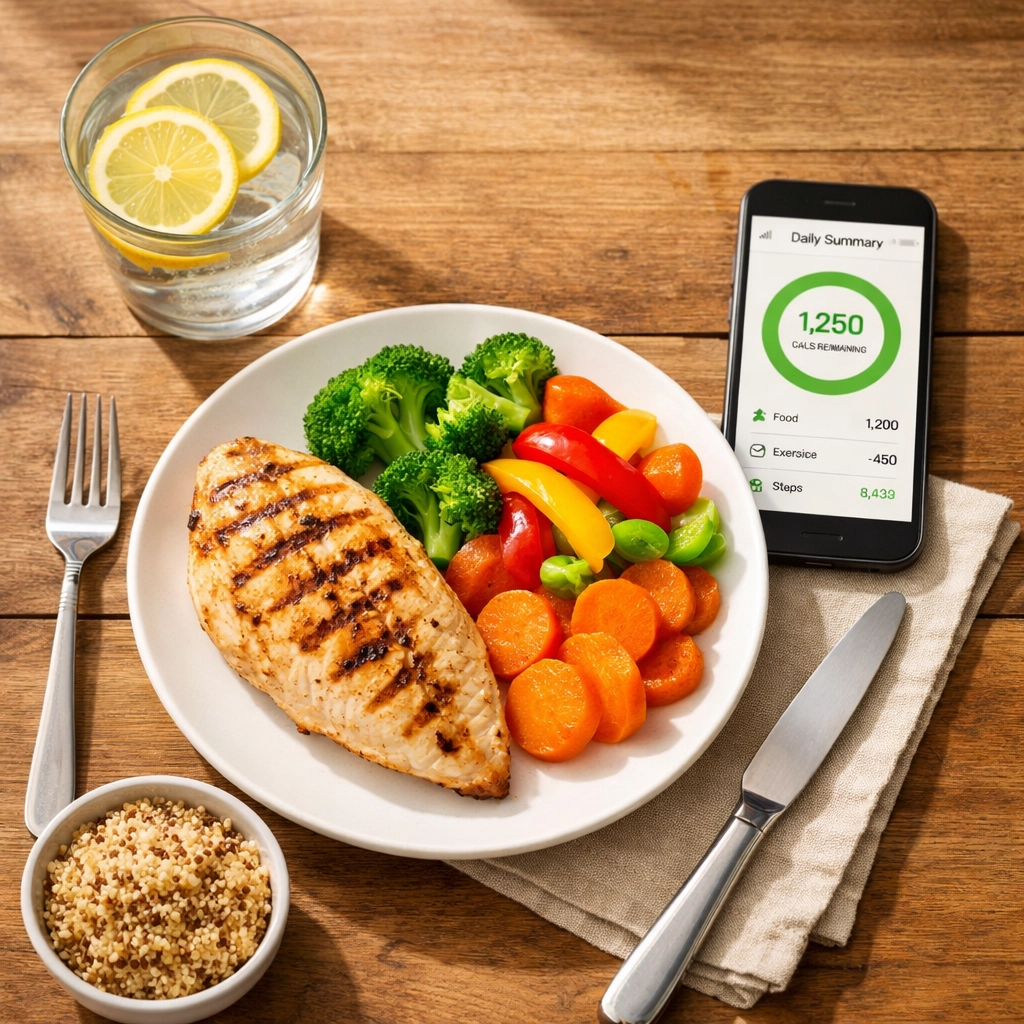
Track your water intake for a week. You'll likely discover you're drinking far less than you think. Proper hydration can break through plateaus and reduce common GLP-1 side effects.
Mistake #4: Relying Solely on the Medication
The Problem: GLP-1 medications reduce hunger, but they don't eliminate emotional eating, stress eating, or boredom eating. They also don't build muscle, improve cardiovascular health, or teach you sustainable habits for when you eventually reduce or stop the medication.
Treating these drugs as a standalone solution is like expecting a gym membership to get you fit without actually working out. The medication creates an opportunity: what you do with that opportunity determines your results.
The Fix: View GLP-1 medications as powerful tools that work best alongside lifestyle changes. This isn't about willpower or restriction: it's about building habits that support long-term health:
- Strength training 2-3 times per week to preserve muscle mass
- Daily movement like walking, swimming, or cycling
- Stress management through meditation, therapy, or journaling
- Quality sleep of 7-9 hours nightly
- Mindful eating practices to reconnect with hunger cues
When you pair medication with these habits, you're not just losing weight: you're reshaping your relationship with food, movement, and self-care. That's what makes results last.
Mistake #5: Eating Processed Foods
The Problem: Some people assume that because GLP-1 medications suppress appetite, food quality doesn't matter. "I'm only eating 1,200 calories, so who cares if it's pizza and ice cream?"
Wrong. Processed foods cause insulin spikes, inflammation, and blood sugar crashes that work against your medication. They're also nutritionally empty, meaning you're not getting the vitamins, minerals, and fiber your body needs to function optimally during weight loss.
The Fix: Focus on whole, minimally processed foods: lean proteins, vegetables, fruits, whole grains, nuts, seeds, and healthy fats. These foods provide sustained energy, keep you fuller longer, and support the metabolic changes GLP-1 medications create.
Use this time on medication to rebuild healthy eating habits. When your appetite is naturally reduced, it's the perfect opportunity to retrain your palate and practice mindful eating without fighting constant hunger.
Mistake #6: Expecting Overnight Results
The Problem: Social media is full of dramatic "30 pounds in 30 days" GLP-1 transformations. While some people do experience rapid initial weight loss, most see steady progress over 8-12 weeks: and that's perfectly normal and healthy.
Unrealistic expectations lead to frustration, which leads to abandoning the medication prematurely or making unsafe adjustments like doubling doses.
The Fix: Reframe how you measure success. Instead of obsessing over the scale, pay attention to:
- Increased energy levels
- Better sleep quality
- Improved mood and mental clarity
- Reduced joint pain
- Better-fitting clothes
- Normalized blood sugar and blood pressure
- Reduced cravings and more stable appetite

Weight loss isn't linear. You'll have weeks where the scale doesn't budge, followed by weeks with significant drops. Focus on the overall trend, not daily fluctuations. Most importantly, remember that sustainable weight loss: the kind that stays off: happens gradually.
Mistake #7: Stopping Abruptly Without Medical Support
The Problem: This is perhaps the most critical mistake. Many people stop GLP-1 medications the moment they hit their goal weight, thinking the job is done. What happens next is predictable: rebound hunger, rapid weight regain, and frustration.
GLP-1 medications change your body's hormonal signaling. When you stop suddenly, those hunger hormones come roaring back: often stronger than before you started treatment.
The Fix: Always work with a healthcare provider when considering stopping or reducing GLP-1 medications. A proper transition plan includes:
- Gradually tapering dosage over several weeks or months
- Reinforcing nutrition and exercise habits during the taper
- Regular check-ins to monitor weight and adjust as needed
- Having a plan for maintenance, which may include staying on a lower dose long-term
Increasingly, medical evidence supports using GLP-1 medications for long-term weight maintenance, not just short-term weight loss. Your doctor can help you determine the right approach for your situation.
If you need guidance on tapering, dosage adjustments, or long-term GLP-1 management, ChatWithDr offers online weight loss medication consultations with board-certified physicians. Get answers via secure text messaging in under two hours: no video calls, no waiting rooms, no hassle.
The Bottom Line: GLP-1 Success Requires More Than Just Medication
GLP-1 medications like Wegovy and Zepbound are powerful tools for weight loss, but they work best as part of a comprehensive approach. Avoiding these seven mistakes: inadequate protein, inconsistent dosing, poor hydration, relying solely on medication, eating processed foods, unrealistic expectations, and stopping without support: dramatically improves your chances of long-term success.
Think of GLP-1 medications as a coach that temporarily quiets the noise of constant hunger and food obsession. During that quiet period, you have a unique opportunity to build sustainable habits, heal your relationship with food, and establish the foundation for lasting health.
The mistakes above are fixable. Whether you're just starting GLP-1 treatment or you've been on it for months, making these adjustments can help you break through plateaus and achieve the results you're looking for.
Need medical guidance on your GLP-1 journey? Book a consultation with ChatWithDr for just $39.99: flat rate, no subscription, no account required. Text with board-certified doctors who specialize in medical weight loss and get expert advice in less than two hours. Available 24/7, because your health doesn't wait for office hours.
Related posts:
 7 Mistakes You're Making with GLP-1 Weight Loss Meds (and How to Fix Them)
  7 Mistakes You're Making with GLP-1 Weight Loss Medications (And How to Fix Them for Long-Term Success)
  GLP-1 Weight Loss Success: 7 Mistakes You’re Making (And How to Fix Them for Long-Term Results)
  7 Mistakes You’re Making with GLP-1 Weight Loss Medications (and How to Fix Them)
  7 Mistakes You’re Making with Weight Loss Prescriptions (and How to Save Money)