
GLP-1 receptor agonists like Wegovy and Zepbound have revolutionized weight loss treatment, helping millions of Americans achieve their health goals. But even with these powerful medications, success isn't guaranteed. Many people unknowingly sabotage their results through common mistakes that reduce effectiveness or create unnecessary health risks.
If you're not seeing the weight loss results you expected: or experiencing frustrating side effects: you might be making one of these critical errors. Here's what you need to know to maximize your GLP-1 medication benefits while protecting your health.
Mistake #1: Skipping Doses
Consistency is everything with GLP-1 medications like semaglutide (Wegovy) and tirzepatide (Zepbound). These medications work by maintaining steady levels in your bloodstream to regulate appetite, slow gastric emptying, and improve insulin sensitivity. When you skip doses, you disrupt this delicate balance.
Why it matters: Missing even a single dose can trigger increased appetite and hunger signals, undoing days or weeks of progress. Your body quickly adjusts when medication levels drop, and those cravings you'd finally conquered come rushing back.
How to fix it: Set up a consistent weekly schedule using phone reminders or medication tracking apps. Choose a day and time that fits your routine: many people prefer Sunday evenings to start their week feeling in control. If you do miss a dose, consult your healthcare provider through secure medical messaging rather than guessing whether to double up or skip ahead.
Mistake #2: Stopping the Medication Too Early
One of the most damaging misconceptions about GLP-1 medications is treating them as short-term solutions. Many people stop taking Wegovy or Zepbound once they hit their goal weight, expecting the results to stick. Unfortunately, research consistently shows that weight regain after discontinuation is common: and often exceeds the amount initially lost.
Why it matters: GLP-1 medications address the biological factors that make weight loss difficult, including hormonal hunger signals and metabolic adaptation. When you stop the medication, these factors return, often with a vengeance.
How to fix it: Work with your healthcare provider to develop a long-term weight management strategy. This might mean continuing at a maintenance dose or transitioning to a different treatment plan. A wegovy online consultation can help you discuss sustainable approaches without the hassle of traditional office visits.
Mistake #3: Not Eating Enough Protein
The appetite suppression from GLP-1 medications is powerful: sometimes too powerful. When you're simply not hungry, it's easy to under-eat, especially protein. But inadequate protein intake during weight loss leads to muscle loss, not just fat loss. This leaves you with a higher body fat percentage and a slower metabolism, even if the scale shows progress.
Why it matters: Muscle tissue burns more calories at rest than fat tissue. Losing muscle makes it harder to maintain weight loss long-term and can leave you feeling weak and fatigued.
How to fix it: Prioritize protein at every meal, even when you're not hungry. Aim for 25-30 grams per meal from sources like lean meats, fish, eggs, Greek yogurt, or plant-based alternatives. Protein shakes can help when solid food feels unappealing. Track your intake for a few weeks to ensure you're hitting your targets: most people need at least 0.7-1 gram of protein per pound of ideal body weight during active weight loss.
Mistake #4: Skipping Meals Entirely
The dramatic appetite reduction from GLP-1s can make food feel optional. Many patients report forgetting to eat or going 12-16 hours without consuming anything substantial. While intermittent fasting has its proponents, unintentional meal skipping on GLP-1 medications creates problems.
Why it matters: Prolonged periods without food can trigger nutrient deficiencies, worsen gastrointestinal side effects, and lower your basal metabolic rate. Your body interprets severe calorie restriction as starvation, slowing metabolism to conserve energy. This makes sustained weight loss harder over time.
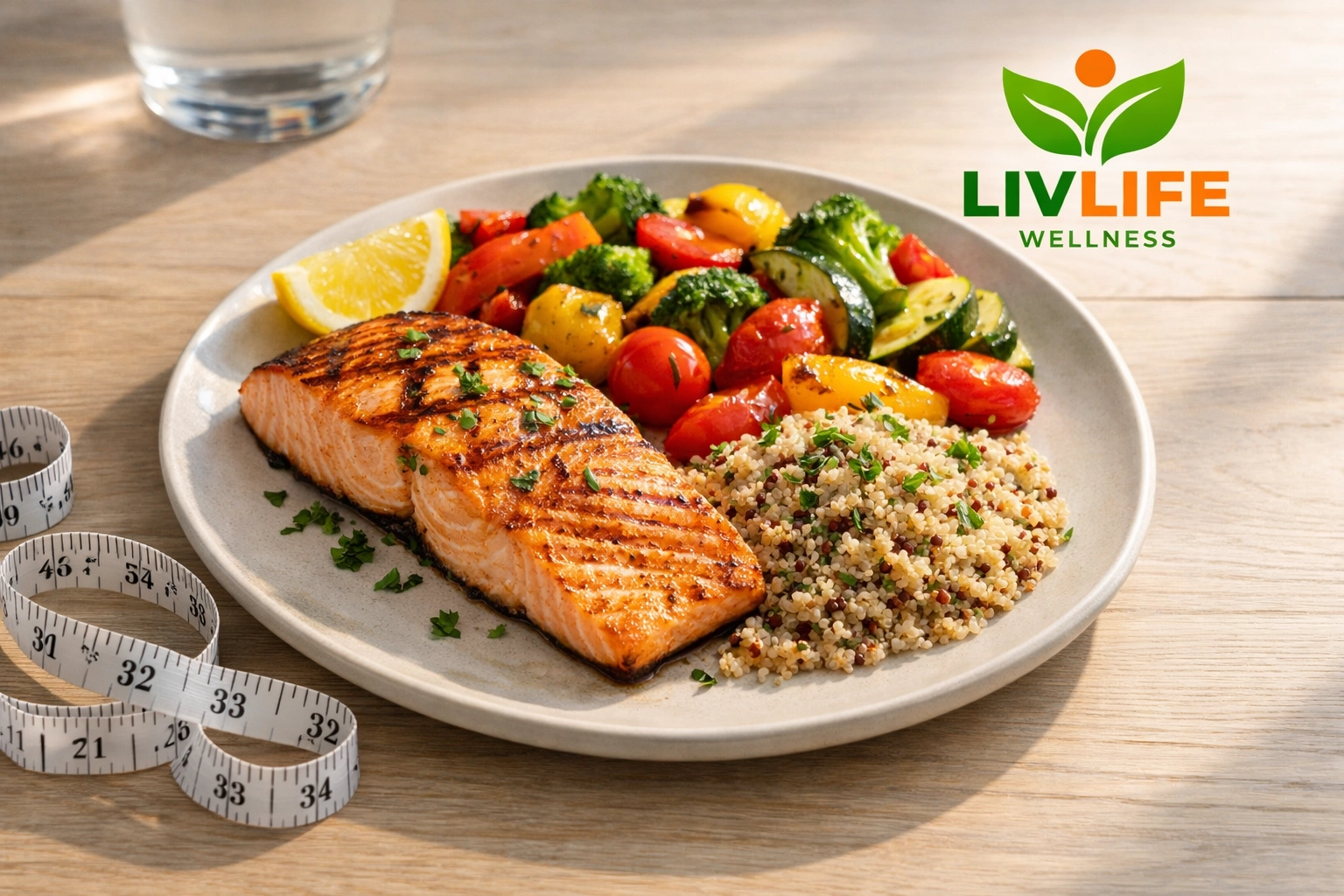
How to fix it: Establish a meal schedule with smaller, nutrient-dense meals even when appetite is low. Think of eating as medication adherence: something you do for your health, not just when hunger strikes. Focus on quality over quantity: a small portion of salmon with vegetables and quinoa provides more nutritional value than forcing down a large meal you don't want.
Mistake #5: Using Medications Without Medical Supervision
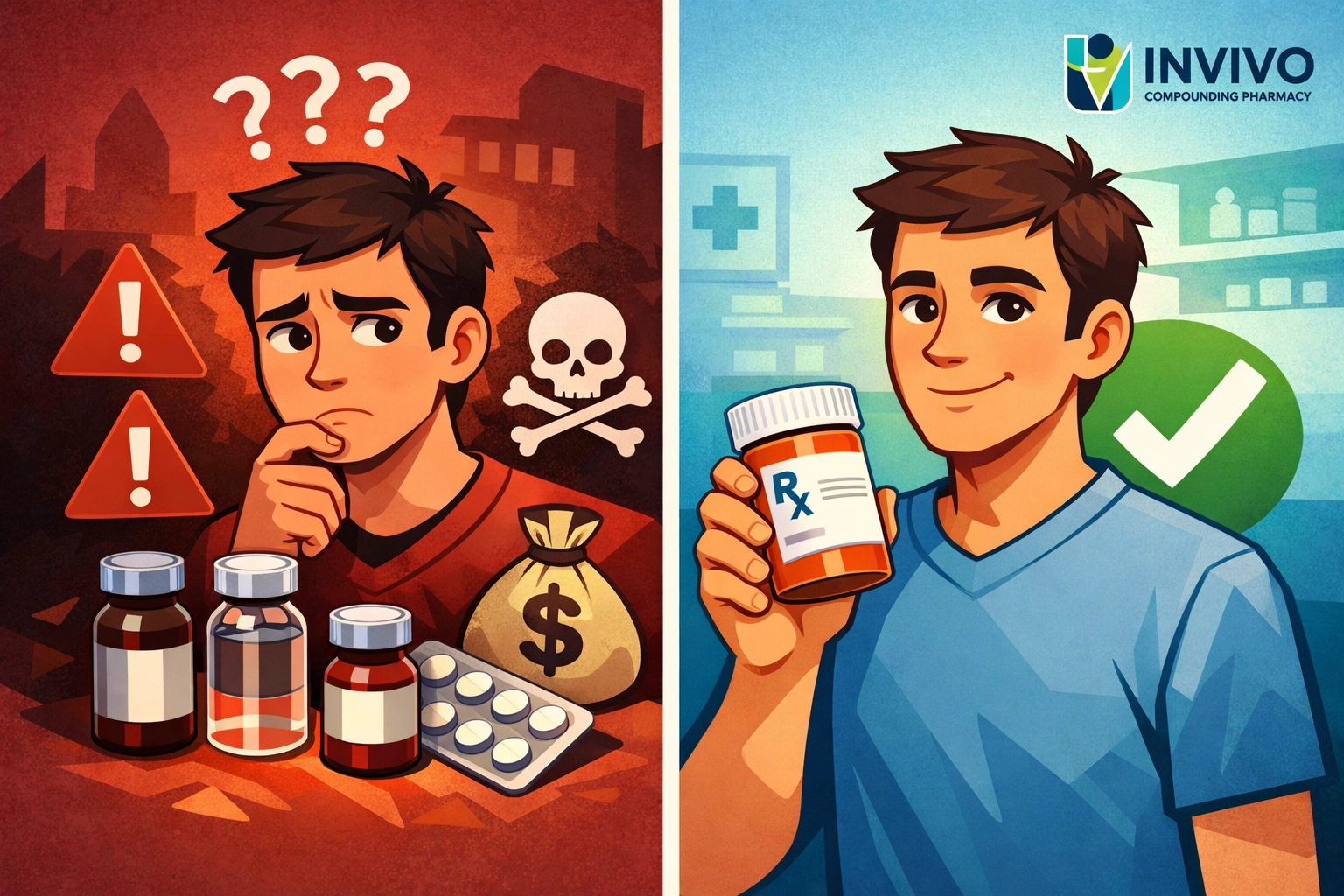
Recent surveys reveal that nearly a quarter of adults would consider using injectable weight loss drugs without consulting a healthcare provider. The rise of online pharmacies and compounding facilities has made it easier than ever to obtain these medications through questionable channels: but easier doesn't mean safer.
Why it matters: GLP-1 medications carry risks of serious side effects including pancreatitis, gallbladder disease, and thyroid tumors. Without proper medical supervision, you can't monitor for these complications or adjust treatment based on your individual response. Additionally, unlicensed sources may provide medications with incorrect dosages, harmful additives, or no active ingredient at all.
How to fix it: Always obtain GLP-1 medications through legitimate healthcare channels. Weight loss telehealth services like ChatWithDr make it simple to get proper medical supervision through secure text messaging with licensed physicians. You can discuss your medical history, receive a legitimate prescription, and maintain ongoing monitoring: all without the inconvenience of traditional office visits.
Mistake #6: Not Titrating Your Dose Appropriately
Dose titration: the gradual increase from a low starting dose to a therapeutic level: is critical for GLP-1 success. Yet two common errors occur: staying at the starting dose too long without achieving results, or jumping to higher doses too quickly and experiencing overwhelming side effects.
Why it matters: The starting dose of Wegovy (0.25 mg) or Zepbound (2.5 mg) is intentionally sub-therapeutic, designed to help your body adjust while minimizing nausea and gastrointestinal discomfort. Remaining at this dose indefinitely prevents you from achieving meaningful weight loss. Conversely, escalating too quickly can trigger severe side effects that force treatment discontinuation.
How to fix it: Follow evidence-based titration schedules established in clinical trials. For Wegovy, this typically means increasing every 4 weeks: 0.25 mg → 0.5 mg → 1 mg → 1.7 mg → 2.4 mg (maintenance). For Zepbound: 2.5 mg → 5 mg → 7.5 mg or 10 mg → 15 mg (if needed).
Regular communication with your healthcare provider is essential during dose escalation. Through a zepbound online consultation, you can report your tolerance, side effects, and weight loss progress to determine the optimal timing for dose increases. Your provider can also prescribe anti-nausea medication if needed to help you tolerate higher therapeutic doses.
Mistake #7: Having Unrealistic Expectations
Social media is flooded with dramatic GLP-1 transformation stories, creating expectations of rapid, effortless weight loss. While these medications are highly effective, they're not miracle drugs. Setting unrealistic expectations leads to disappointment, premature discontinuation, and negative psychological effects.
Why it matters: Clinical trials show average weight loss of 15-20% of body weight over 68 weeks with Wegovy, and slightly more with Zepbound. That's exceptional compared to other weight loss interventions: but it's gradual. If you expect to lose 50 pounds in two months, you'll be disappointed. Additionally, initial side effects like nausea, bloating, and fatigue are common but typically resolve within a few weeks. Giving up during this adjustment period means missing out on long-term benefits.
How to fix it: Set realistic, measurable goals with your healthcare team. Aim for 1-2 pounds of weight loss per week as a sustainable target. Track non-scale victories like improved energy, better blood sugar control, reduced joint pain, or increased physical activity. Prepare strategies for managing initial side effects: eating smaller meals, avoiding fatty foods, staying hydrated, and taking medications with food can all help.
Remember that GLP-1 medications work best as part of a comprehensive approach including nutrition counseling, regular physical activity, and behavioral support. Text-based consultations through platforms like ChatWithDr allow you to check in with your provider regularly, ask questions as they arise, and adjust your treatment plan in real time: all supporting better long-term outcomes.
Getting Started the Right Way
If you're considering GLP-1 medications like Wegovy or Zepbound, or you're currently taking them but not seeing the results you expected, professional medical guidance makes all the difference. Through secure text messaging with licensed physicians, you can receive personalized weight loss treatment that fits your schedule and lifestyle.
Modern weight loss telehealth eliminates the barriers of traditional healthcare: no waiting rooms, no time off work, no scheduling weeks in advance. You can chat with doctors about your weight loss goals, receive prescriptions for GLP-1 medications when appropriate, and maintain ongoing monitoring to optimize your results.
The key to success with GLP-1 medications isn't just getting the prescription: it's avoiding these common mistakes through consistent medical support, realistic expectations, and evidence-based treatment protocols. With the right approach and professional guidance, these powerful medications can help you achieve sustainable weight loss and improved health outcomes.
Disclaimer: This information is not a substitute for professional medical advice, diagnosis, or treatment. Always seek the advice of your physician or qualified health provider with questions regarding medical conditions or treatments.
Related posts:
 Wegovy vs Zepbound: Which GLP-1 Medication Is Right for Your Weight Loss Goals?
  Wegovy vs Zepbound: Which Is Better For Your Weight Loss Goals?
  7 Mistakes You're Making with GLP-1 Weight Loss Meds (and How to Fix Them)
  Wegovy vs Zepbound: Which Is Better For Your Weight Loss Goals?
  7 Mistakes You're Making with GLP-1 Weight Loss Medications (And How to Fix Them for Long-Term Success)