
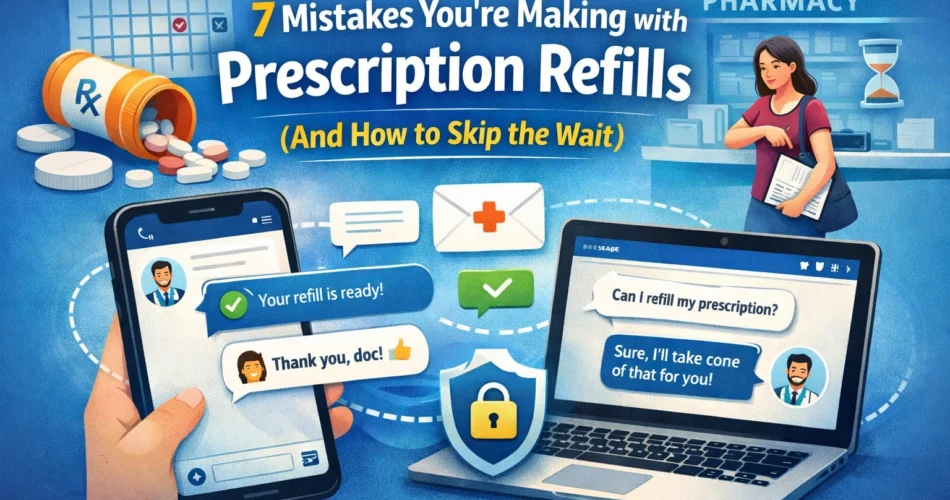
You're out of blood pressure medication on a Saturday afternoon. Your asthma inhaler is nearly empty, and your doctor's office won't return calls until Monday. Sound familiar? If you manage chronic conditions like high blood pressure, asthma, or high cholesterol, prescription refills should be simple: but they rarely are.
Most Americans dealing with chronic conditions make critical mistakes that turn a 10-minute refill into a multi-day ordeal. According to recent pharmacy data, nearly 44% of medication errors are caught during the refill process, meaning something went wrong before the pharmacist even reviewed your request.
Here's the truth: you don't need to wait days for prescription refills anymore. Let's break down the seven most common mistakes: and how modern telehealth solutions can help you get your medications in under 2 hours, not 2 days.
Mistake #1: Requesting Refills at the Last Minute
Waiting until your last pill to request a refill is the most common: and most avoidable: mistake. When you're down to your final dose of blood pressure medication or cholesterol pills, you've eliminated any buffer for delays.
Insurance plans enforce strict refill timing limits, typically every 30 days for maintenance medications. If you request early, your claim gets rejected. Request too late, and you risk gaps in therapy that can destabilize your condition. For asthma patients, running out of controller medications can trigger exacerbations. For those managing hypertension, missing even a few doses can spike blood pressure to dangerous levels.
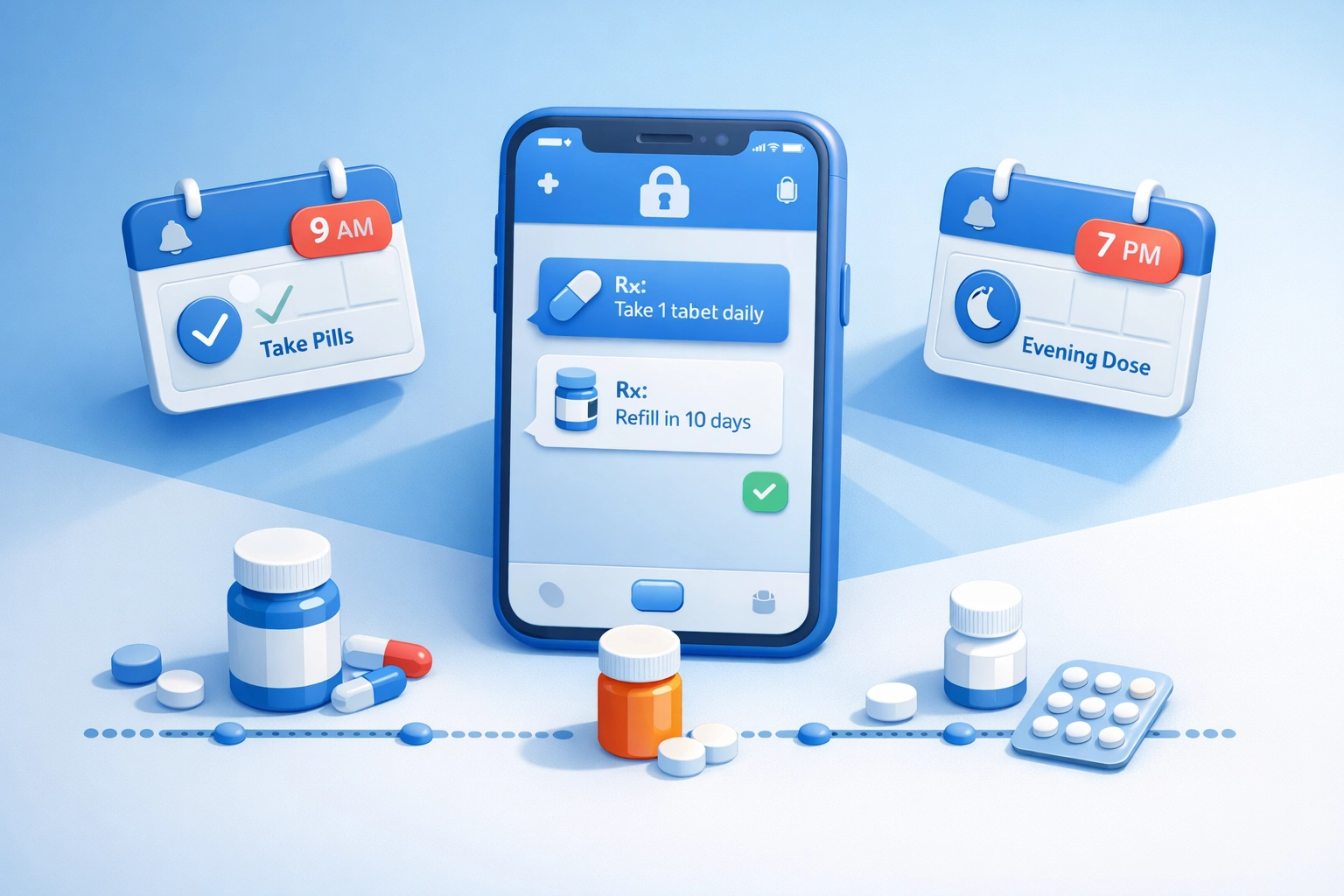
The Solution: Set calendar reminders for 7 days before you'll need a refill. If your doctor prescribed limited refills, use text-based telehealth platforms where licensed physicians can review your medication history and issue new prescriptions quickly. Unlike traditional clinics with appointment backlogs, asthma management telehealth services allow you to chat with a doctor 24/7 and receive prescriptions electronically within hours.
Mistake #2: Submitting Incorrect Quantity or Days' Supply
Here's a scenario that happens thousands of times daily: your pharmacy submits a refill for a 90-day supply, but your prescription only authorizes 30 days. The insurance system immediately rejects the claim.
Some patients: and even some pharmacy staff: try to manipulate the days' supply to push the claim through. This creates a cascading problem: your next legitimate refill gets flagged as "too soon," and you're stuck in a loop of rejections and phone calls.
The Solution: When you need an early refill for legitimate reasons (traveling, lost medication, dosage changes), don't ask the pharmacy to alter records. Instead, request an override directly from your insurance or work with an online doctor who understands high blood pressure management and can document medical necessity. Telehealth providers can quickly update prescription details and communicate directly with pharmacies through e-prescribe systems, eliminating the back-and-forth that causes delays.
Mistake #3: Ignoring Dosage Changes Without Updated Prescriptions
Your doctor increases your lisinopril from 10mg to 20mg during your last visit. You assume the pharmacy will automatically adjust your refill. They won't: and can't.
Pharmacies need an updated prescription whenever dosage changes occur. If you request a refill based on old information, it gets rejected. You call your doctor's office, leave a message, wait for a callback, and lose days of proper dosing in the process.

The Solution: Whenever a provider changes your medication regimen, confirm they're sending the updated prescription electronically before you leave the appointment. Better yet, use telehealth for chronic condition management where prescription updates happen in real-time. A high blood pressure online doctor can adjust your medication during a secure text conversation and send the new prescription to your pharmacy immediately: no phone tag required.
Mistake #4: Not Planning for Weekends, Holidays, and Vacations
It's Friday evening. You realize your cholesterol medication runs out tomorrow. Your primary care office is closed until Monday. The urgent care clinic says they don't handle refills for chronic conditions. You're stuck.
According to pharmacy reports, refill requests spike dramatically on Fridays and before holidays, creating bottlenecks when provider offices are understaffed or closed entirely.
The Solution: Always maintain at least a two-week supply buffer for chronic medications. When planning travel, request vacation overrides in advance. For unexpected situations, 24/7 telehealth doctor access provides the safety net you need. Physicians available around the clock can review your medication history, verify your chronic condition management plan, and issue prescription refills for conditions like asthma, hypertension, and diabetes: even at 2 AM on a Sunday.
Mistake #5: Failing to Verify Insurance Coverage Before Refilling
You've taken the same medication for years. Suddenly, your refill costs $400 instead of your usual $10 copay. Your insurance changed their formulary, or you hit your deductible, or the medication was reclassified: and nobody told you.
Insurance coverage issues represent one of the most frustrating refill obstacles. Patients often discover problems only at the pharmacy counter, creating emergency situations that require prior authorizations, formulary exceptions, or alternative medication switches.
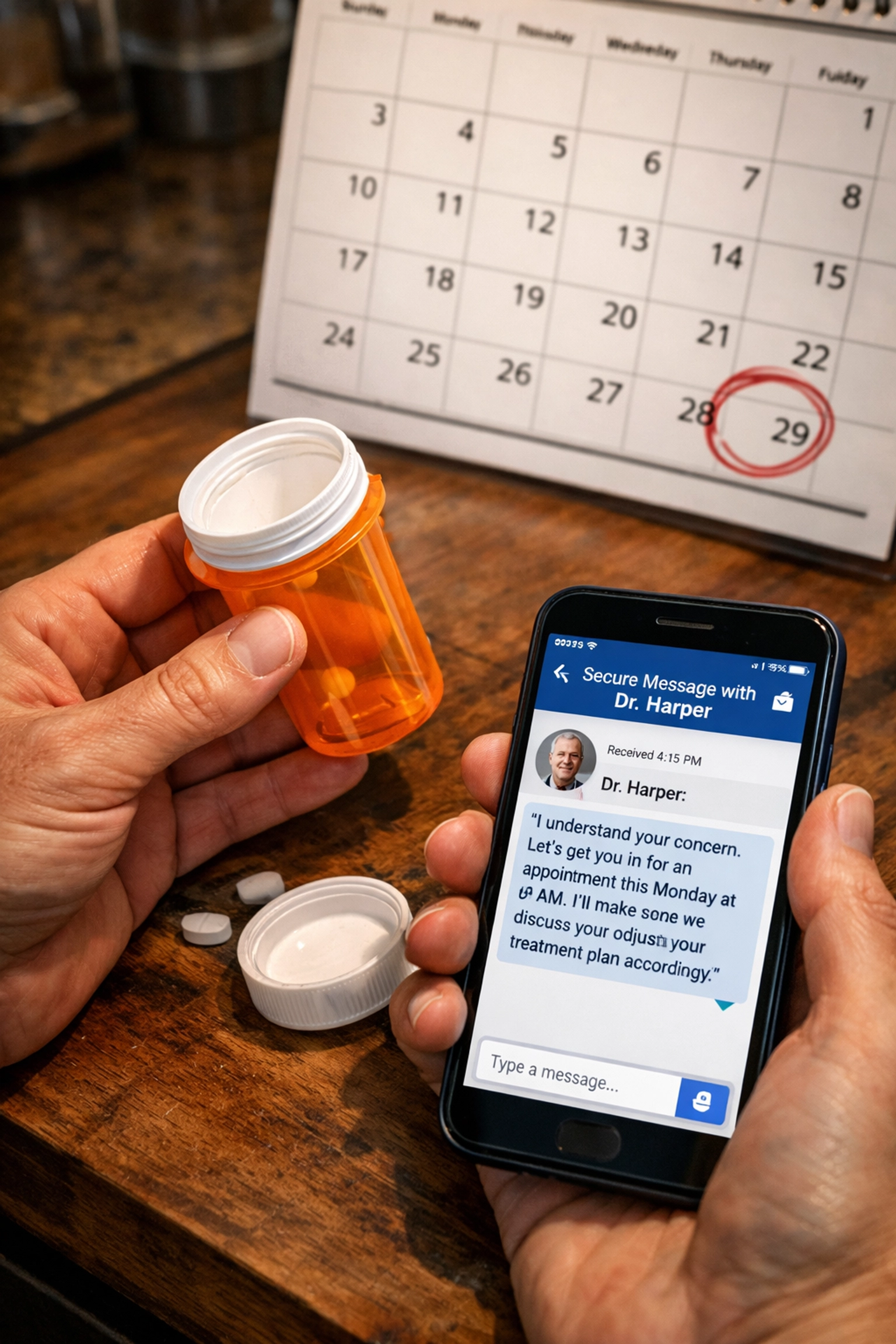
The Solution: Check your insurance formulary annually and whenever your plan renews. Ask your pharmacist about generic alternatives before coverage issues arise. When you need fast refills for chronic conditions through prescription refills online services, telehealth providers can quickly prescribe therapeutically equivalent alternatives if your primary medication faces coverage problems. This proactive approach prevents the multi-day delays associated with prior authorization processes.
Mistake #6: Skipping the Therapeutic Review
Just because you took a medication last month doesn't mean it's still appropriate today. Your health status changes. You start new medications. Your kidney function shifts. Your blood pressure stabilizes or worsens.
Recent studies show that 44% of medication errors are caught by pharmacists during refill reviews, and 36% are identified by patients themselves. Yet many people treat refills as automatic renewals without considering whether the medication still makes sense for their current health picture.
The Solution: Use each refill as a checkpoint. When texting with a doctor online about asthma management telehealth or hypertension refills, mention any changes in symptoms, side effects, or new medications. Licensed physicians can review your complete profile and catch potential drug interactions or dosing issues that might otherwise go unnoticed. This is especially critical for asthma patients whose controller medication needs may change seasonally or with activity levels.
Mistake #7: Not Leveraging Telehealth for Chronic Condition Management
The biggest mistake? Thinking your only option for prescription refills is calling your doctor's office, leaving messages, and waiting days for callbacks.
Modern telehealth platforms have transformed chronic disease management. Instead of scheduling appointments weeks in advance or rushing to urgent care clinics that may not handle maintenance medications, you can chat with licensed physicians through secure medical messaging: often receiving prescriptions in under 2 hours.

The Solution: Establish a relationship with a telehealth provider that specializes in chronic condition management. Platforms offering online prescription services maintain your medical records, understand your medication history, and can quickly issue refills when you need them. This is particularly valuable for:
- Asthma patients who need quick access to inhaler refills when experiencing increased symptoms
- Hypertension management requiring regular prescription renewals for ACE inhibitors, beta-blockers, or diuretics
- Cholesterol control with statin medications that need consistent refilling
- Diabetes management for patients on oral medications like metformin
The advantage of text-based telehealth is documentation. Your entire conversation with the physician is recorded, creating a clear trail of symptom reports, medication adjustments, and prescribing decisions. This level of detail often exceeds what's captured in rushed in-person appointments.
The 2-Hour Refill Reality
Getting prescription refills in under 2 hours isn't a marketing promise: it's how modern telehealth operates. When you chat with a doctor through secure medical messaging, here's what happens:
- You describe your chronic condition and current medication regimen
- The licensed physician reviews your history and current symptoms
- They verify the prescription is still appropriate for your condition
- They send the prescription electronically to your chosen pharmacy
- Your pharmacy receives and processes the prescription
The entire process bypasses appointment scheduling, waiting rooms, and phone tag. For patients managing blood pressure, asthma, or cholesterol: conditions requiring uninterrupted medication access: this speed matters.
When to Use Telehealth for Refills
Telehealth prescription refills work best for:
- Established chronic conditions with stable medication regimens
- Situations where your regular provider is unavailable
- Medication refills needed outside business hours
- Travel situations requiring prescription transfers
- Urgent refills when you've run out unexpectedly
Telehealth is not appropriate for new, undiagnosed symptoms requiring physical examination, or complex medication management requiring in-person testing.
Taking Control of Your Prescription Refills
Stop accepting prescription refills as a multi-day hassle. The seven mistakes outlined above are completely avoidable with planning, communication, and the right healthcare partners.
Whether you're managing high blood pressure online doctor visits for ACE inhibitor refills, coordinating asthma management telehealth for controller medications, or simply need consistent access to cholesterol medications, modern solutions exist to eliminate the waiting and frustration.
The next time you need a prescription refill, remember: you have options beyond leaving voicemails and waiting days for callbacks. Secure medical messaging with licensed physicians delivers the same quality care: just faster, more conveniently, and without the barriers that make managing chronic conditions more difficult than necessary.
Disclaimer: This information is not a substitute for professional medical advice, diagnosis, or treatment. Always seek the advice of your physician or qualified health provider with questions regarding medical conditions or treatments.
Related posts:
 Your Quick-Start Guide to Managing Cholesterol, Blood Pressure, and Asthma Online: Do This First
  Your Quick-Start Guide to Online Prescription Refills: Blood Pressure, Asthma & Cholesterol Meds
  Stop Waiting Days for Prescription Refills: Try These 3 Quick Telehealth Hacks
  Stop Wasting Time on Prescription Refills: 5 Quick Steps to Get Maintenance Meds Today
  How to Get Prescription Refills Online in Under 2 Hours (No Appointment Needed)