
Weight loss medications like Ozempic, Wegovy, and Mounjaro have transformed obesity treatment, but there's a catch: the price tag. If you're paying full retail for GLP-1 medications, you could be spending $1,000+ per month. The good news? Most people are making avoidable mistakes that cost them hundreds of dollars they don't need to spend.
After helping thousands of patients navigate online weight loss medication options, we've identified seven costly mistakes: and more importantly, how to fix them.
Mistake #1: Not Verifying Insurance Coverage First
The Problem: Many patients assume their insurance won't cover GLP-1 medications and never bother checking. Others assume coverage is automatic and get hit with sticker shock at the pharmacy.
The Reality: Insurance coverage for weight loss medications varies dramatically by plan. According to recent data from the Kaiser Family Foundation, approximately 40% of employer-sponsored health plans now cover at least one GLP-1 medication for weight loss, up from just 25% two years ago. However, coverage often depends on whether you have a diagnosis of obesity (BMI ≥30) or overweight (BMI ≥27) with weight-related health conditions.
The Solution: Before your doctor sends in a prescription, call your insurance company directly. Ask these specific questions:
- Does my plan cover GLP-1 medications for weight loss?
- What's my copay or coinsurance amount?
- Is prior authorization required?
- Are there step therapy requirements (trying other medications first)?
This 10-minute phone call could save you $500+ per month.
Mistake #2: Skipping Manufacturer Savings Programs
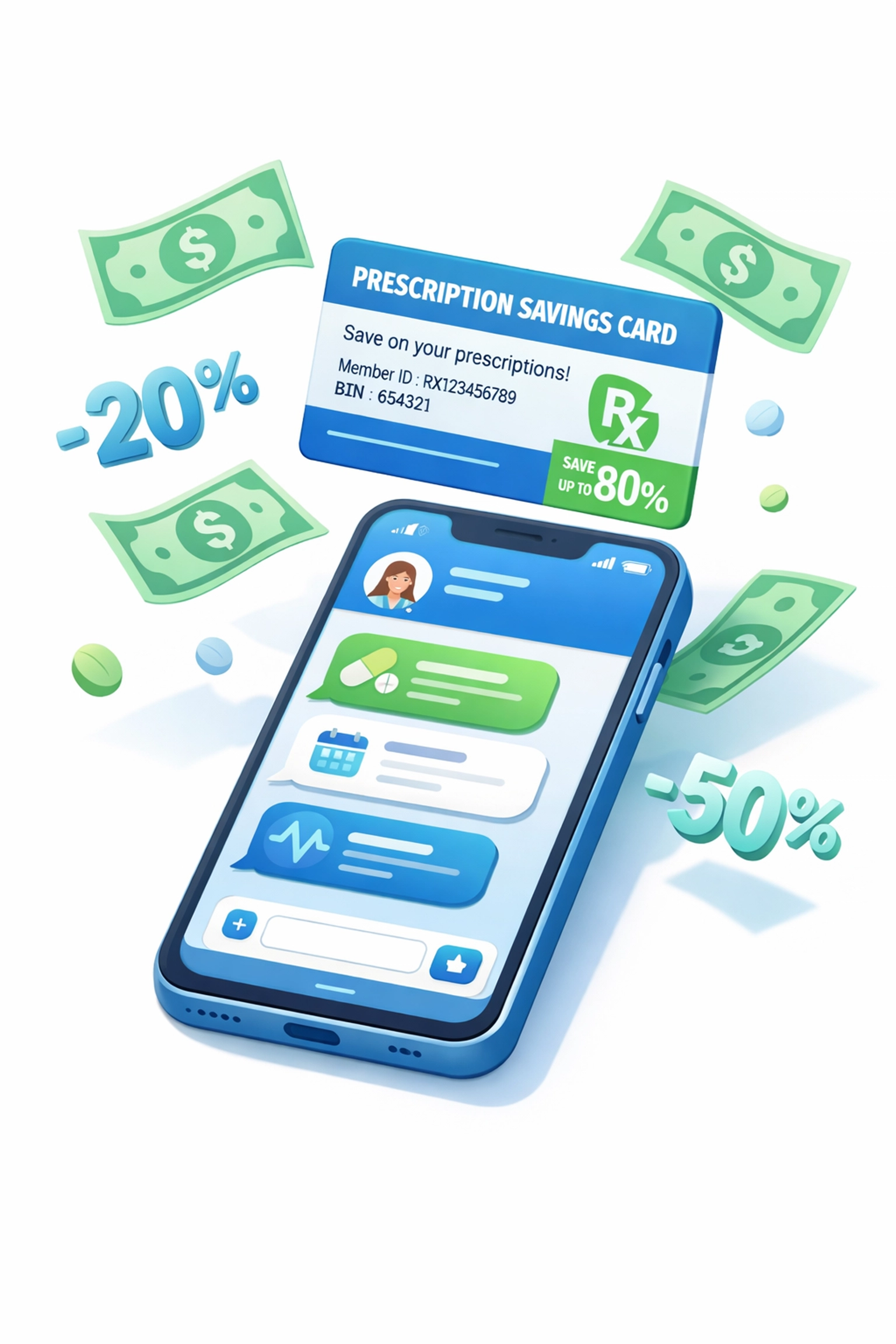
The Problem: Pharmaceutical companies offer copay cards and savings programs, but they don't advertise them aggressively. Most patients never know these programs exist.
The Reality: Manufacturer savings programs can dramatically reduce your out-of-pocket costs:
- Wegovy offers a savings card that can reduce costs to as low as $0 copay for eligible patients with commercial insurance
- Mounjaro's savings program can drop costs to $25/month for those with commercial insurance
- Saxenda provides savings cards that may reduce costs to $200/month
The Solution: Visit the manufacturer's website before filling your prescription. Download and activate the savings card, then present it to your pharmacy along with your insurance card. These programs typically work for patients with commercial insurance but not Medicare or Medicaid.
Important note: These savings programs change frequently, so check eligibility requirements carefully. The GoodRx blog regularly updates information on active manufacturer programs.
Mistake #3: Paying Pharmacy List Price Without Comparison Shopping
The Problem: You get your prescription and head to the nearest pharmacy without checking if you're getting the best price.
The Reality: GLP-1 medication prices can vary by $200-400 between pharmacies in the same zip code. A 2025 study found that the same prescription for semaglutide ranged from $950 to $1,350 depending on the pharmacy chain.
The Solution: Use prescription discount apps before filling:
- GoodRx
- SingleCare
- WellRx
- RxSaver by RetailMeNot
Enter your medication, dosage, and zip code to compare prices. In many cases, using a discount card at a lower-cost pharmacy beats using insurance at a high-cost pharmacy.
Pro tip: Independent pharmacies and warehouse clubs (Costco, Sam's Club) often have lower prices than chain pharmacies.
Mistake #4: Overlooking Patient Assistance Programs
The Problem: If you're uninsured or underinsured, you might think weight loss medications are simply out of reach financially.
The Reality: Pharmaceutical manufacturers offer patient assistance programs (PAPs) that provide free or heavily discounted medications to qualifying patients. According to the Partnership for Prescription Assistance, millions of Americans qualify for PAPs but never apply.
The Solution: Visit sites like NeedyMeds.org or the manufacturer's patient assistance page. You'll typically need to provide:
- Proof of income (tax returns, pay stubs)
- Proof of insurance status
- Prescription information
Application approval can take 2-4 weeks, so plan ahead. If approved, you could receive your medication free for up to one year.
Mistake #5: Not Considering Alternative Weight Loss Medications
The Problem: You fixate on the newest GLP-1 medications without exploring other effective options that might be more affordable or better covered by your insurance.
The Reality: While GLP-1 medications get the most attention, other FDA-approved weight loss medications may be equally effective for your situation and cost 50-80% less:
- Phentermine (generic available): $20-50/month
- Contrave (naltrexone/bupropion): $100-200/month with insurance
- Orlistat (Xenical, Alli): $50-100/month
The Solution: Text with a doctor who can evaluate your medical history, weight loss goals, and budget. A comprehensive approach considers effectiveness, side effects, and affordability. Sometimes combining a lower-cost medication with lifestyle changes produces excellent results without breaking the bank.
Mistake #6: Failing to Use Direct Manufacturer or Compounding Options
The Problem: You're only looking at traditional pharmacy channels and missing alternative purchasing options.
The Reality: In 2024-2026, new direct-to-consumer channels have emerged:
- LillyDirect: Eli Lilly's direct service offers Zepbound starting at $399-549/month for self-pay patients
- NovoCare Pharmacy: Novo Nordisk's direct pharmacy may offer competitive pricing
- Compounded semaglutide: FDA-registered compounding pharmacies legally produce compounded versions during shortage periods, typically costing $250-400/month
According to FDA guidance, compounded medications are appropriate when commercially available drugs are in shortage or when a patient needs a customized formulation.
The Solution: Ask your healthcare provider about all available options, including compounded versions if you're paying out of pocket. However, ensure any compounding pharmacy is properly licensed and FDA-registered (503A or 503B facility).
Mistake #7: Missing FSA/HSA Benefits
The Problem: You're paying for weight loss medications with after-tax dollars when you could be using pre-tax money.
The Reality: Health Savings Accounts (HSAs) and Flexible Spending Accounts (FSAs) allow you to pay for prescription medications with pre-tax dollars. If you're in the 24% tax bracket, this effectively gives you a 24% discount on everything you buy with these accounts.
The Solution:
- Max out your HSA or FSA contributions if you're planning to start weight loss medication
- Save your pharmacy receipts: you can reimburse yourself from your FSA/HSA
- If you have an HSA, the funds roll over year to year, so you can build a healthcare nest egg
With a typical GLP-1 medication costing $500/month out of pocket, using an HSA/FSA saves you approximately $120/month in taxes: $1,440 per year.
How ChatWithDr Makes Getting Weight Loss Medication Simpler and More Affordable
Getting started with weight loss medication shouldn't require multiple doctor visits, long waits, or confusing insurance battles. ChatWithDr streamlines the entire process through secure medical messaging.
Here's how it works:
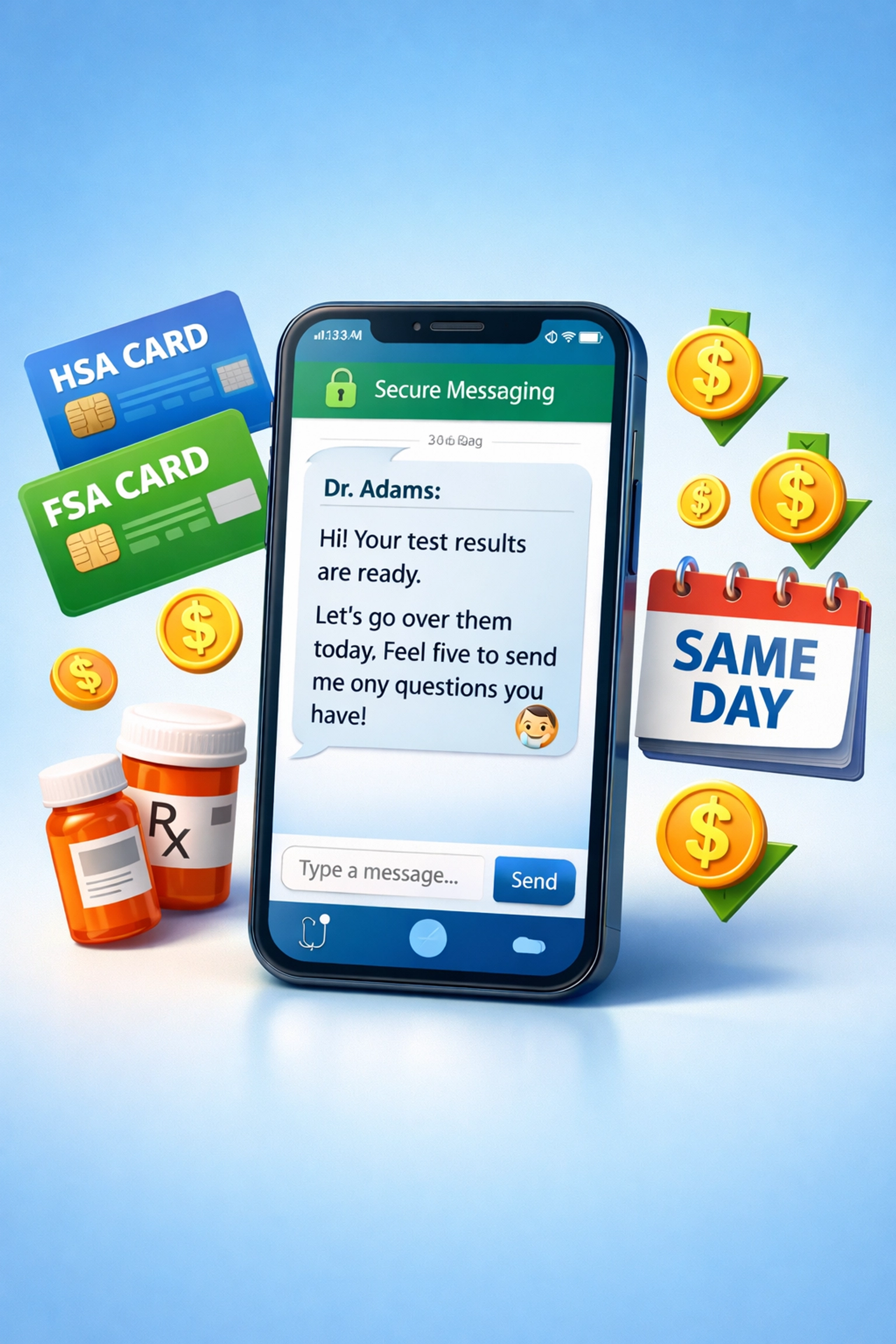
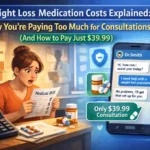
Fast consultation ($39.99): Text with a licensed doctor about your weight loss goals, medical history, and medication options. No appointment scheduling, no waiting rooms. Most patients receive a response within hours, not days.
Personalized treatment plan: Your doctor evaluates which weight loss medication makes sense for your situation, considering both effectiveness and cost. They'll help you navigate insurance requirements and find manufacturer savings programs.
Prescription sent directly: If appropriate, your prescription is sent to your preferred pharmacy the same day. Your doctor will note on the prescription if generic alternatives are acceptable, giving pharmacies flexibility to save you money.
Ongoing support: Questions about side effects? Need to adjust dosages? Text your doctor anytime without paying for another full visit.
The $39.99 consultation fee is transparent: no surprise charges or hidden costs. Many patients save far more than that by getting expert guidance on manufacturer programs and insurance strategies in their first conversation.
Your Action Plan: Saving Money on Weight Loss Medication Starting Today
If you're serious about saving hundreds on weight loss medication, follow this checklist:
Before your consultation:
- Research your insurance plan's weight loss medication coverage
- Check your BMI and document any weight-related health conditions (diabetes, hypertension, sleep apnea)
- Review your HSA/FSA balance
During your consultation:
- Be upfront about budget concerns: doctors can't help optimize costs if they don't know your constraints
- Ask about all medication options, not just the newest ones
- Request guidance on manufacturer savings programs specific to the prescribed medication
After receiving your prescription:
- Activate manufacturer savings cards before filling
- Compare prices across pharmacies using discount apps
- Apply for patient assistance if needed
- Use HSA/FSA funds for payment
The bottom line: Most patients can reduce their weight loss medication costs by 30-70% by avoiding these seven mistakes. The difference between paying $1,200/month and $300/month is simply knowing which strategies to use.
Ready to start your weight loss journey without overpaying? Chat with a doctor at ChatWithDr for a $39.99 consultation and get personalized guidance on the most affordable medication options for your situation. Same-day prescriptions available when medically appropriate.
Related posts:
 How to Get Weight Loss Medication for $39.99 (HSA/FSA Accepted)
  7 Mistakes You're Making with GLP-1 Weight Loss (And How to Fix Them)
  How to Get Wegovy or Zepbound for $39.99: Your Complete Guide to Affordable Weight Loss Consultations
  How to Get Wegovy or Zepbound for Just $39.99: A Quick Guide to Affordable Weight Loss Consultations
  Weight Loss Medication Costs Explained: Why You’re Paying Too Much for Consultations (And How to Pay Just $39.99)