

Introduction
Managing everyday health concerns at home without an in‑person doctor’s visit has become more feasible than ever. Whether it’s a nagging cough, a minor burn, or an upset stomach, learning practical, safe, and effective self‑care strategies empowers individuals to take charge of their wellbeing. Real stories from busy professionals and parents reveal how small adjustments in routine—like resting, staying hydrated, or using over‑the‑counter remedies—can make a big difference. For example, treating a minor cough with acetaminophen and saline nasal spray alongside plenty of fluids often brings relief within days, reducing unnecessary clinic trips and saving time and money.
At the same time, emerging research highlights broader shifts in how people manage health issues remotely. One national survey found that approximately 52% of patients with chronic conditions used telehealth services over a 12‑month period, demonstrating how technology supports self‑management and medical guidance without physical visits PubMed, 2025. Another study noted that 80% of U.S. adults use the internet to look up health information, with 25% of those with an illness joining online communities to compare experiences and advice Wikipedia. These trends signal a growing appetite for trusted, accessible health resources beyond traditional office hours or appointments.
It’s easy to wonder how you can manage minor discomforts safely at home—what remedies work, when to seek professional support, and how to leverage telehealth or online advice responsibly. By exploring these questions and solutions, this article opens the door to confident, informed self‑care. You’ll gain clarity on making smart choices and recognize when a simple home treatment is sufficient—or when a virtual visit or in‑person care becomes essential.
Embedded within this practical guide, you’ll see the keyword “how can i manage minor health issues without visiting a doctor in person?” naturally integrated to connect your curiosity with useful, evidence‑based guidance. Let’s begin this journey toward empowered, effective self‑care.
Empowering Self‑Care: Practical Strategies for Managing Minor Health Issues
Having already set the groundwork on determining when simple home treatment suffices versus when higher-level care is necessary, here we delve deeper into practical, evidence-based approaches to managing minor health issues effectively. With a clear understanding of “how can i manage minor health issues without visiting a doctor in person?” woven gently into the narrative, you’ll gain confidence in self‑care methods that are both safe and actionable.
Build a Well‑Stocked Self‑Care Toolkit
It starts by preparing your home with a thoughtful selection of over‑the‑counter (OTC) essentials. Common ailments like colds, indigestion, minor cuts, or mild headaches often respond well to simple OTC remedies. NHS notes that having basic supplies like analgesics, decongestants, antacids, and topical creams on hand can effectively address many non‑urgent complaints without needing a doctor visit askernmedicalpractice.nhs.uk. Having these at your disposal not only saves time and money but empowers you to act promptly when symptoms first appear.
Leverage Reliable Home Remedies Backed by Science
While not all natural remedies are equal, certain ones have research support and can offer real benefit. For example, curcumin (from turmeric) has shown pain‑relieving effects comparable to ibuprofen in studies on osteoarthritis, and ginger has documented anti‑inflammatory and anti‑nausea benefits healthline.com. Consuming a soothing ginger tea—grated ginger boiled with water and lemon—provides a gentle but effective remedy for indigestion and minor soreness. These options serve as useful adjuncts to OTC medications when appropriate.
Inform Yourself Through Accessible, Trustworthy Sources
Health literacy plays a critical role in effective self‑care. Users armed with clear, evidence‑based information are better able to decide when to treat symptoms at home and when to seek further assistance. A systematic review found that interventions improving health literacy not only increase self‑care confidence but also significantly decrease unnecessary emergency department visits and general practice consultations ncbi.nlm.nih.gov. This underscores the value of consulting trusted health websites, telehealth services, or pharmacist guidance when developing your self‑care routine.
Know the Role of Pharmacists and Virtual Services
Pharmacists are often overlooked self‑care allies. They provide no‑appointment‑necessary, professional advice on OTC options, offering a practical alternative to in‑person doctor visits for minor symptoms like coughs, colds, aches, or rashes askernmedicalpractice.nhs.uk. Additionally, telehealth platforms allow you to consult a provider virtually—sometimes 24/7—for advice or prescriptions, bridging the gap between self‑care and professional oversight when needed.
Trust Your Judgment, But Acknowledge Its Limits
Finally, while self‑diagnosis and home management can be appropriate for low‑risk conditions, experts caution against overreliance on self‑diagnosis—especially for symptoms that could signal something more serious en.wikipedia.org. Should symptoms persist, worsen, or differ from your usual experiences, transitioning to virtual or in‑person care becomes essential. Using an informed step‑by‑step approach ensures both safety and confidence in managing minor health issues effectively.
This section builds directly on our earlier discussion, offering a robust, practical toolkit for empowered self‑care—backed by reputable sources and real-world methods—to help answer your question about managing minor health concerns without a physical doctor visit.

Utilizing Online Health Platforms
For those wondering how to manage minor health issues without visiting a doctor in person, online health platforms provide a viable solution. These services offer a range of tools to manage symptoms and seek professional advice remotely. One approach is using telehealth services that connect patients with healthcare professionals through video calls, chats, or phone consultations. This modality can be especially beneficial for common ailments such as colds, minor infections, or skin irritation.
Understanding Symptoms with AI Tools
AI-driven symptom checkers are gaining traction as a resource for individuals wanting to assess their health concerns. These tools ask a series of questions about symptoms and provide information on potential conditions. For example, platforms like Ada Health or WebMD utilize AI to offer insights and next steps based on the user’s input. A study from the National Center for Biotechnology Information indicates that AI in healthcare can enhance diagnostic accuracy and efficiency, making these tools a valuable first step in managing minor issues.
Accessing Professional Advice Online
Many professionals streamline their workflow using platforms like ChatWithDr, which facilitates virtual consultations. By connecting patients with licensed doctors, these platforms ensure that individuals receive trusted medical advice without needing a physical visit. This hybrid model combines convenience with expert care, offering a practical solution for non-urgent health concerns.
Research from JAMA reveals that telehealth services have seen increased satisfaction ratings due to their accessibility and ease of use, highlighting their growing importance in patient care. These insights underscore the potential of online health services to manage minor ailments effectively, offering peace of mind and professional input without leaving home.
Practical Self‑Care Strategies for Everyday Minor Health Concerns
Transitioning from telehealth accessibility to more hands‑on, at‑home approaches, many individuals wonder how they can manage minor health concerns independently—but still effectively. Even when asking how can i manage minor health issues without visiting a doctor in person?, you’ll find that a combination of trusted self‑care practices and informed decision‑making can help you respond safely and confidently.
Evidence‑Based First‑Aid and Symptom Relief
Minor injuries like cuts and scrapes often respond well to basic first‑aid: gently clean with soap and water—avoiding harsh agents like hydrogen peroxide—apply a thin layer of over‑the‑counter antibiotic ointment, and cover with a clean bandage. Monitor for signs of infection, such as increased redness, swelling, or fever, and seek medical attention if these develop consumerreports.org. For insect bites or stings, wash the area, apply a cold compress, and use OTC antihistamines like diphenhydramine to relieve itching; be mindful of worsening symptoms that might require professional care consumerreports.org.
Strengthening Immunity Through Lifestyle Habits
Proactive lifestyle choices are powerful assets in reducing both frequency and severity of minor illnesses. Experts note that regular handwashing and cleaning high‑touch surfaces significantly curb germ spread health.osu.edu. Staying hydrated with water or warming fluids, getting sufficient restorative sleep, and engaging in moderate physical activity—especially outdoors, which adds the benefit of vitamin D exposure—support natural immune response parents.com. Although some dietary supplements are popularly promoted, their efficacy is often unproven, and they may carry risks—so prioritize whole foods and balanced nutrition over trending products health.osu.edu.
Empowered Self‑Care With WHO’s Backing
The World Health Organization emphasizes that self‑care isn’t about replacing medical professionals; it’s a complementary strategy that enables individuals to promote health and manage illness using evidence‑based tools—such as diagnostics, OTC medicines, and digital health support—often without direct healthcare supervision who.int. This approach empowers people to take charge while recognizing when to escalate care based on worsening symptoms or red‑flags.
Real‑World Application: Keeping Avoidable Office Visits at Bay
Consider a situation where someone experiences a mild sore throat and low‑grade fever. By resting, staying well‑hydrated, using saline gargles, and over‑the‑counter pain relief as needed—while monitoring for signs of escalation like difficulty swallowing or persistent fever—they can often manage comfortably at home. If the condition fails to improve after a few days or worsens, scheduling a virtual visit or in‑person appointment becomes the responsible next step.
Summary and Seamless Transition
Drawing upon proven first‑aid tactics, lifestyle optimization, and the WHO’s self‑care framework provides a practical foundation for addressing everyday minor health issues with confidence and minimal disruption. These measures serve as a smooth transition into the final section, which will explore how to recognize limits, know when to escalate care, and make telehealth or in‑person visits as effective as possible.
Conclusion: Empowering Self-Care with Confidence
Managing minor health issues without visiting a doctor in person is not just possible, but can be an empowering experience. By equipping yourself with the right tools and knowledge, you can handle common ailments effectively and maintain your well-being. The strategies discussed in this article—such as using over-the-counter medicines, relying on time-tested home remedies, and incorporating preventative measures into your daily routine—form a comprehensive approach to self-care.
According to the CDC’s National Health Interview Survey, over 40% of adults rely on alternative care methods for maintaining their health. These findings underscore the growing trend towards self-managed health care, reflecting both trust in non-clinical care and the desire for autonomy in health-related decisions. Assessing symptoms realistically and understanding when professional medical advice is necessary remain critical components of effective self-care.
Actionable Insights for Your Health Journey
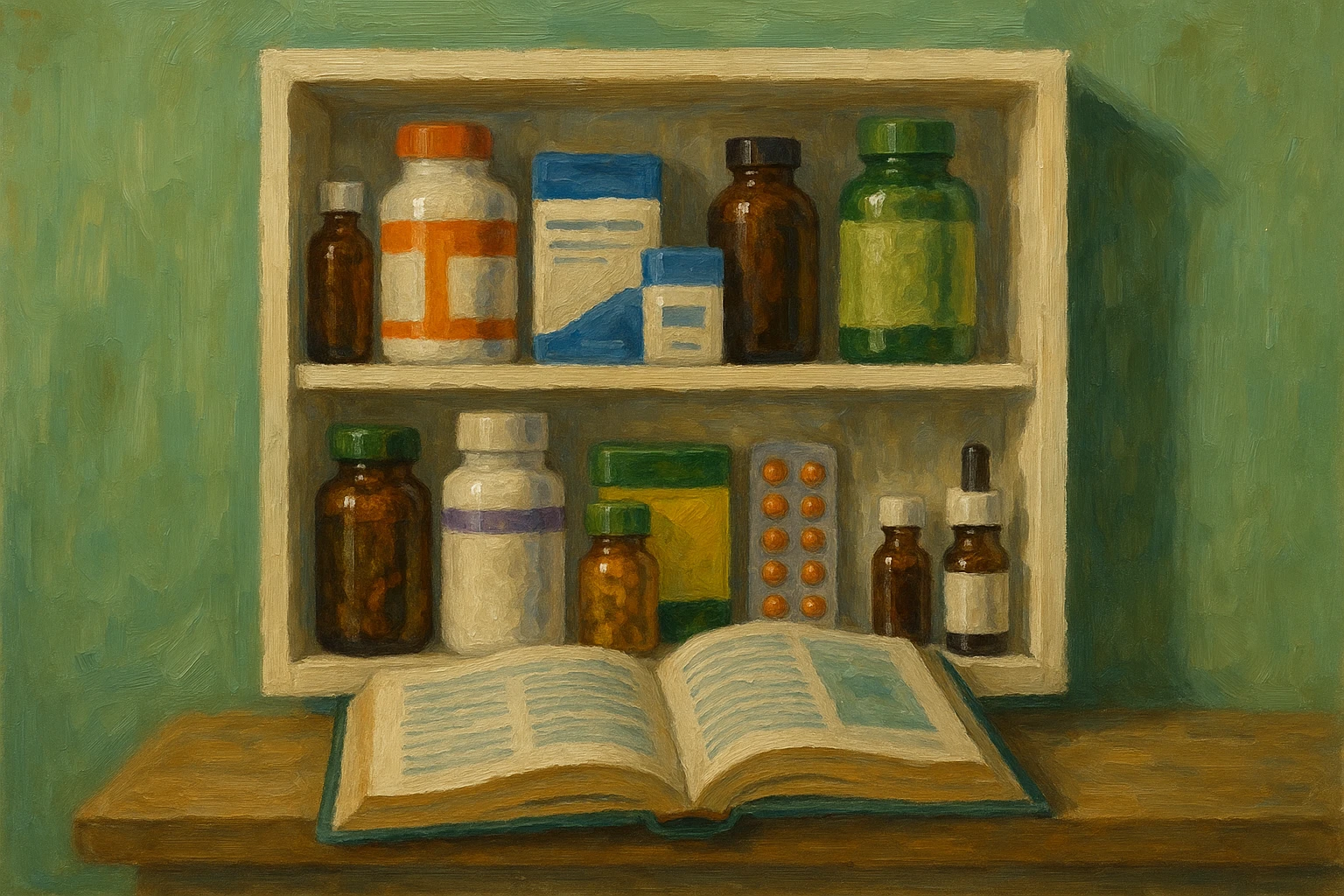
The path to managing your health independently requires a proactive mindset and access to reliable resources. Implementing simple habits, such as regular exercise, a balanced diet, and mindfulness practices, can greatly reduce the occurrence of minor health issues. If cold symptoms arise or minor skin irritations occur, having a well-stocked medicine cabinet with essentials like cough syrups and antiseptic creams can make a significant difference. Furthermore, connecting with community resources or reliable online health platforms can offer additional support.
To get started with these strategies, consider using ChatWithDr for comprehensive support that combines traditional wisdom with cutting-edge technology. This resource offers valuable insights and access to experts who can further aid in your self-care journey. Utilizing such platforms ensures you have quick access to personalized advice, which bridges the gap between home treatment and professional care.
Taking charge of your health should not isolate you but rather integrate you into a network of resources that promote holistic well-being. Remember, while self-management is essential, understanding its limitations and seeking help when necessary exemplifies true health awareness. Stay informed, stay prepared, and embrace the possibilities of managing health concerns independently yet wisely.
Related posts:
 The 7 Best Online Doctor Services of 2025: A Detailed Review
  Explore do you need insurance for urgent care and what it means for your visit
  How to Get Medical Care Without Insurance Your Practical Guide
  A Complete Guide to OTC UTI Treatment Options
  Can You Get Antibiotics Over The Counter? A Clear Guide