
Introduction
Imagine needing medical guidance at midnight, while on a business trip, or caring for a sick child—and instead of rushing to a clinic, you tap into expert insight right from your phone. That’s the kind of digital doctor advice transforming healthcare delivery today. Patients and clinicians alike increasingly rely on digital platforms to seek timely, safe, and professional medical support. In fact, a systematic review covering over 38 meta-analyses found that telehealth interventions are often as effective—or even more effective—than standard in-person care across a range of medical fields, including psychiatry, cardiology, and endocrinology https://pubmed.ncbi.nlm.nih.gov/34184580/.
Beyond effectiveness, accessibility gains are just as impressive. A recent analysis shows that telemedicine use in the U.S. remains widespread: more than 40% of adults have used remote consultations within two years of the COVID-19 pandemic onset, with usage patterns consistent across income, education, and ethnicity groups https://jamanetwork.com/journals/jamanetworkopen/fullarticle/2816685. This kind of equity in access is crucial, especially for individuals in rural areas or those facing mobility challenges.
On a more granular level, digital health tools are delivering measurable improvements in chronic disease management. For instance, a meta-analysis including over 68,000 participants found that digital interventions for blood pressure control reduced systolic readings by an average of 3.2 mmHg compared to usual care over three months—demonstrating concrete clinical impact https://pubmed.ncbi.nlm.nih.gov/38977877/. The difference may seem modest, but even slight reductions in blood pressure significantly decrease risks of heart attacks and strokes.
These findings signal a compelling shift: digital doctor advice isn’t just a convenience—it delivers real-world clinical value, broadens accessibility, and supports health systems when resources are stretched. Across the country, from urban centers to remote communities, patients and providers are discovering how timely, virtual guidance can be both practical and powerful. As you explore further, you’ll uncover how emerging technologies, case studies, and operational strategies can elevate digital healthcare to new heights—all while maintaining safety, effectiveness, and trust.
Advancing Clinical Outcomes and Patient Engagement through Virtual Care
A growing body of evidence underscores how digital doctor advice, delivered via telemedicine, can improve clinical outcomes and enhance patient engagement. A retrospective cohort study published in the Journal of Medical Internet Research analyzed over 32,000 chronic disease patients and concluded that increased use of telemedicine was not associated with elevated rates of emergency department referrals or hospitalizations. In fact, providers with greater telemedicine adoption achieved reduced rates of both, suggesting that virtual care can be safely tailored to patient needs with no decline in outcome quality JMIR, April 2025
Concrete examples further illustrate these benefits. At UC San Diego Health, a virtual “transition of care” clinic for high-risk patients was shown to cut 30-day readmission rates from 20.1% to 14.9%. The study encompassed over 25,000 discharged patients and highlighted how timely virtual follow-up visits helped ensure continuity of care, reduced barriers tied to transportation or scheduling, and maintained a follow-up attendance rate under 5% UC San Diego Health, Sept 2025
Strengthening Disease Management and Patient Satisfaction
Across various practices, physicians report meaningful improvements in disease control and patient relations through virtual methods. According to Doximity’s 2024 “State of Telemedicine” report, 67% of physicians saw enhanced disease management via telemedicine, and 64% noted better patient outcomes—while 84% observed stronger patient satisfaction. Importantly, 96% of respondents viewed virtual care as a complementary or alternative option to in-person visits, rather than a replacement Doximity, Dec 2024
Expanding Accessibility and Ensuring Equity
Telehealth’s reach extends beyond convenience; it meaningfully advances equity in healthcare delivery. A 2022 U.S. study found that over 40% of adult healthcare users had telemedicine visits, even when in-person options were accessible. Patients with chronic conditions and more frequent healthcare needs were particularly likely to engage virtually, indicating that digital approaches are serving those with complex care requirements PubMed, 2022
Overall, real-world evidence demonstrates that well-structured virtual visits—providing flexible follow-up, reducing logistical strain, and reinforcing care plans—can augment traditional models. These examples show that telemedicine supports not just access, but also quality, satisfaction, and system efficiency.
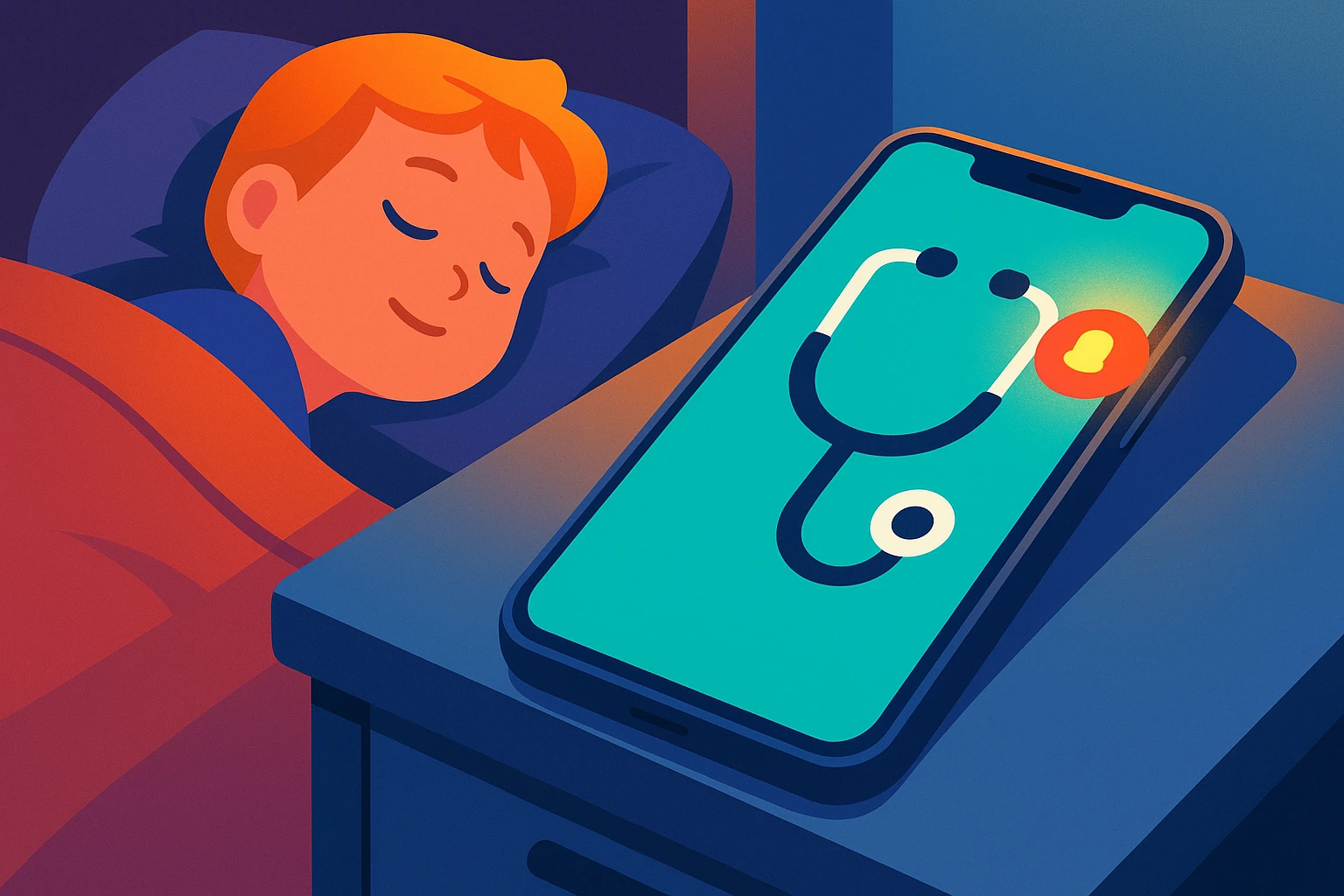
The Impact of Digital Doctor Advice on Patient Outcomes
The integration of digital doctor advice into healthcare systems has revolutionized the patient experience. By leveraging technology, patients are now able to access medical consultations from the comfort of their homes, which significantly enhances convenience and accessibility. For instance, a study published by the American Medical Association highlights that telemedicine interventions have improved patient adherence to treatment plans by up to 20%. This demonstrates the potential impact of digital platforms in ensuring patients follow through with medical advice.
Moreover, digital doctor advice facilitates timely medical intervention by enabling early diagnosis and treatment, which can prevent the progression of diseases. Many healthcare providers have noted that early detection through digital consultations can significantly reduce the severity of chronic conditions. Platforms like ChatWithDr offer solutions that allow patients to quickly connect with healthcare professionals, improving the chances of early health issue identification and management.
An additional benefit of digital doctor platforms is their potential to alleviate the burden on traditional healthcare facilities. By providing digital consultations, these platforms help reduce in-person visits, allowing hospitals to allocate resources more efficiently. This was particularly evident during the COVID-19 pandemic, where telemedicine became crucial in managing non-emergency cases. For example, a report by McKinsey & Company indicates that telehealth utilization has stabilized at levels 38 times higher than before the pandemic (McKinsey & Company).
Despite these advantages, it’s essential to address the challenges encountered with digital healthcare services. Ensuring privacy and security for patient information remains a top priority. Implementing advanced encryption and secure communication protocols is vital to gain and maintain patient trust. Furthermore, navigating the insurance landscape can be complex, with coverage for digital consultations varying significantly by provider and location.
In conclusion, while digital doctor advice offers numerous benefits and has significantly transformed the healthcare industry, the ongoing evolution of these platforms must focus on improving service delivery and addressing patient concerns. By taking steps to enhance these services, platforms like ChatWithDr can continue to play a pivotal role in modern healthcare, offering scalable solutions that meet the needs of diverse patient populations.
Enhancing Access and Quality Through Digital Doctor Advice
Building on the growing impact of virtual health platforms, it’s essential to examine how patients and providers truly benefit from digital doctor advice in everyday practice. One striking insight is from a national study showing that 43% of U.S. adults completed telemedicine visits in 2022, with video consultations accounting for 70% of those interactions. Notably, older adults and individuals lacking internet access were less likely to utilize these services, underscoring persistent access disparities for certain populations. JAMA Network Open
Another dimension of effectiveness emerges in online consultation models connecting primary care and specialists. A PubMed-listed study revealed that 75% of e-consult cases received answers within three days, and more than 90% were perceived as highly beneficial by both clinicians and patients. Additionally, 43% of cases avoided the need for a traditional in-person referral, illustrating significant gains in efficiency and timeliness. PubMed
Measurable Outcomes and Cost Savings
The integration of remote consultations can meaningfully reduce patient wait times. For instance, data suggest that up to 67% of telehealth users report shorter waits, and remote visits can yield cost savings of up to $2,500 per patient annually. Accessibility especially improves for those in rural areas, where such care bridges logistical gaps and reduces overhead burdens. MoldStud
Real-World Case: AI-Augmented Virtual Triage
AI-assisted platforms illustrate the future of scalable, precise medical support. One field experiment with an LLM-based conversational agent shows enhanced patient experience: clarity of information and satisfaction scores surpassed traditional care (3.73 vs. 3.62 out of 4, and 4.58 vs. 4.42 out of 5, respectively), with 95% of AI-mediated interactions rated “good” or “excellent” by supervising physicians. Trust and empathy remained strong, supported by high opt-in rates (81%). arXiv
In applying digital doctor advice effectively, these findings highlight the crucial role of human oversight—ensuring accuracy, liability control, and empathy—while leveraging tech to elevate efficiency and patient satisfaction. The cross-section of user data, rapid responsiveness, and AI assistance demonstrates the potential for better outcomes, faster access, and greater convenience without sacrificing trust.
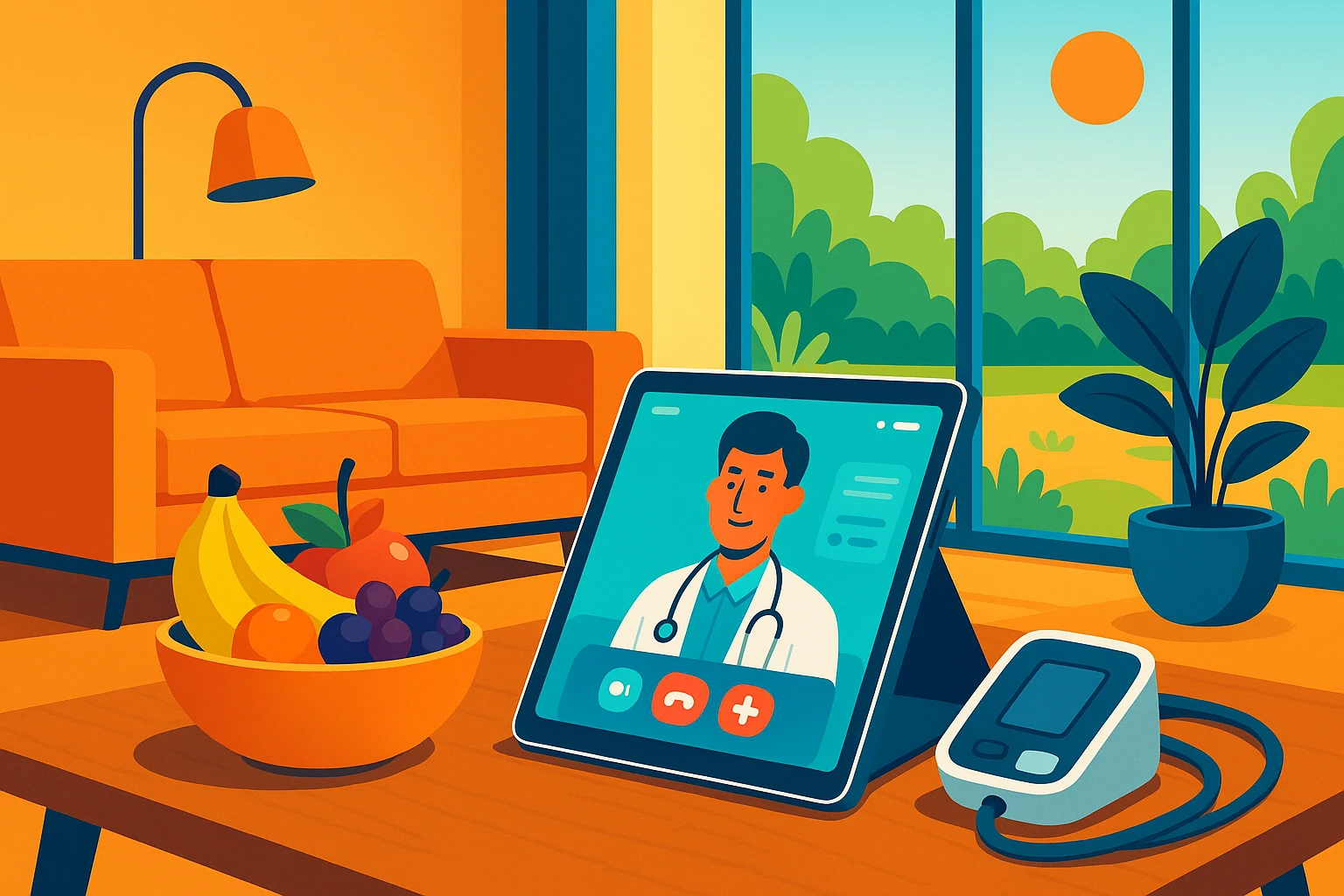
Conclusion: Empowering Your Health Through Digital Doctor Advice
In today’s fast-paced digital landscape, embracing the potential of digital doctor advice can significantly enhance your healthcare experience. By integrating technology into your routine, you are empowered to access expert opinions and vital health data at your fingertips. This ability not only fosters a proactive approach to health but also encourages ongoing education and awareness.
Key Takeaways for Effective Integration
For individuals looking to make the most of digital doctor platforms, it’s essential to start by identifying your specific health needs. Consider the features and functionalities that are most relevant to your condition. Whether it’s monitoring chronic diseases or accessing timely consultations, these tools offer flexibility and personalized care.
Moreover, staying informed about your digital interactions is crucial. Understand the privacy policies and data security measures of the platforms you use. This ensures your personal information is safeguarded while you reap the benefits of virtual healthcare tools.
Actionable Insights to Maximize Benefits
To leverage the advantages of digital doctor advice, ensure that you engage with services that are supported by credible medical professionals. Research and compare platforms to find one that fits seamlessly with your lifestyle and health goals. For many, starting with a simple app that tracks vitals or facilitates remote consultations can be a great beginning. Such initiatives can lead to informed decisions and timely interventions.
An example of a reliable service is ChatWithDr, which offers comprehensive support tailored to individual needs. Integrating such services can transform how you manage personal health, providing both convenience and assurance.
The Future of Healthcare Access
As technology continues to evolve, the scope of digital healthcare will expand, offering even more sophisticated and accessible solutions. Adopting these tools not only aligns you with modern healthcare trends but also equips you to manage your health proactively. The future promises innovations like AI-driven diagnostics and more personalized health recommendations, which will further enhance patient care and outcomes.
In conclusion, leveraging digital doctor advice is an invaluable step towards a healthier future. By staying informed and proactive, and by utilizing platforms like ChatWithDr, you can ensure that your health management is as efficient and effective as possible. Embrace these digital tools today to lead a healthier, more informed life.
Article Generated by Soogle
Related posts:
 Harnessing the Power of Digital Health Support: A Comprehensive Guide
  The Ultimate Guide to Virtual Doctor Visits: Navigating Your Online Healthcare Journey The Comprehensive Guide to Virtual Medical Consultations The Ultimate Guide to Choosing a Telemedicine Service Provider Navigating Online Healthcare Guidance: A Comprehensive Guide