
Introduction to Remote Medical Support
Imagine a world where patients in underserved rural areas receive timely care without the need for lengthy travel, while busy urban professionals consult specialists in real time from their living rooms. This is no longer a distant vision—it’s the reality enabled by remote medical support. Remote medical support encompasses telemedicine, remote monitoring, and digital patient engagement, all working together to enhance accessibility, efficiency, and outcomes.
Recent surveys illustrate the depth of this transformation. About 80% of healthcare consumers have used telemedicine at least once, often for prescription refills or minor illnesses, and adoption has surged across demographics, including older adults and rural residents Rock Health. Meanwhile, nearly 79% of U.S. hospitals offer virtual services, signaling mainstream integration of telehealth into care infrastructure Ottehr analysis.
In chronic disease management, the impact of remote patient monitoring shines. For instance, a rural California health center implemented wearable devices and digital coaching to manage hypertension and diabetes. Participants achieved impressive reductions—over 20 mmHg systolic blood pressure and nearly 4 points in glycemic levels—within six months, demonstrating the effectiveness of coordinated digital care arXiv study.
Why does this matter? Traditional care models often leave gaps in access and continuity, especially for communities facing distance, congestion, or mobility issues. Remote models offer flexible, scalable solutions: virtual consults, asynchronous messaging, and data-driven follow-ups that improve both patient convenience and clinician capacity. Real-world deployments—from large health systems to virtual-only hospitals such as Mercy Virtual in Missouri—are proving the potential of this paradigm shift Mercy Virtual overview.
As we embark on exploring this topic in depth, it’s clear that remote medical support brings meaningful benefits now—better access, empowered patients, and provider efficiency. In the following sections, we’ll unpack its technological drivers, examine practical use cases, assess challenges, and offer actionable strategies for integrating these solutions effectively.
Real-World Applications and Demonstrated Benefits
Building on the broad overview, it’s helpful to examine tangible instances where remote medical support has delivered measurable outcomes and lifted care quality in real-world settings. These examples illustrate both the depth of impact and how different technologies converge to address diverse healthcare needs.
Virtual Hospitals and Remote Monitoring
Virtual hospitals represent one of the most transformative applications of remote care. For instance, the Seha Virtual Hospital in Saudi Arabia, recognized by Guinness World Records as the world’s largest virtual hospital, offers 44 specialized services—including cardiology and psychiatry—to patients across 224 partner hospitals. This model addresses staff shortages and geographic barriers by enabling patients, such as children with ADHD, to receive full care remotely via video consultations. The program demonstrates concrete improvements in access and efficiency in regions where in-person care is limited Financial Times.
Chronic Disease Management via Remote Monitoring
Remote monitoring tools have proven particularly effective for chronic conditions like hypertension and diabetes. A recent study in rural California found that a digital care coordination program—including connected devices and health coaching—led to a reduction in systolic blood pressure by 20.24 points and a diabetes marker decline of 3.85 points over six months among underserved populations arXiv.
Telemedicine’s Economic and Clinical Impact
Broad-based evidence from a prospective observational study involving patients with chronic illnesses shows significant improvements following integration of telemedicine and remote patient monitoring. Key metrics included reduced symptom severity, improved patient health scores, and marked savings in both direct and indirect healthcare costs. Accessibility and patient satisfaction also rose importantly, with communication and convenience ratings rising from the high 70s to the 90s percentile range PubMed.
Enhancing Postoperative Care and Patient Experience
Telemedicine has also proven its value in surgical and post-operative settings. One multicenter randomized controlled trial (PVC-RAM-1) found that virtual follow-up care produced outcomes equivalent to in-person visits, while detecting significantly more medication errors (30% vs. 5%), and maintaining comparable rates of readmission. Patients reported high satisfaction, underscoring telemedicine’s effectiveness in ensuring safety, efficiency, and continuity MDPI.
These concrete examples underscore how thoughtfully implemented technologies can transform care delivery—from home-based chronic disease management and postoperative follow-ups to expansive virtual hospital models—increasing access, improving outcomes, and delivering economic benefits.
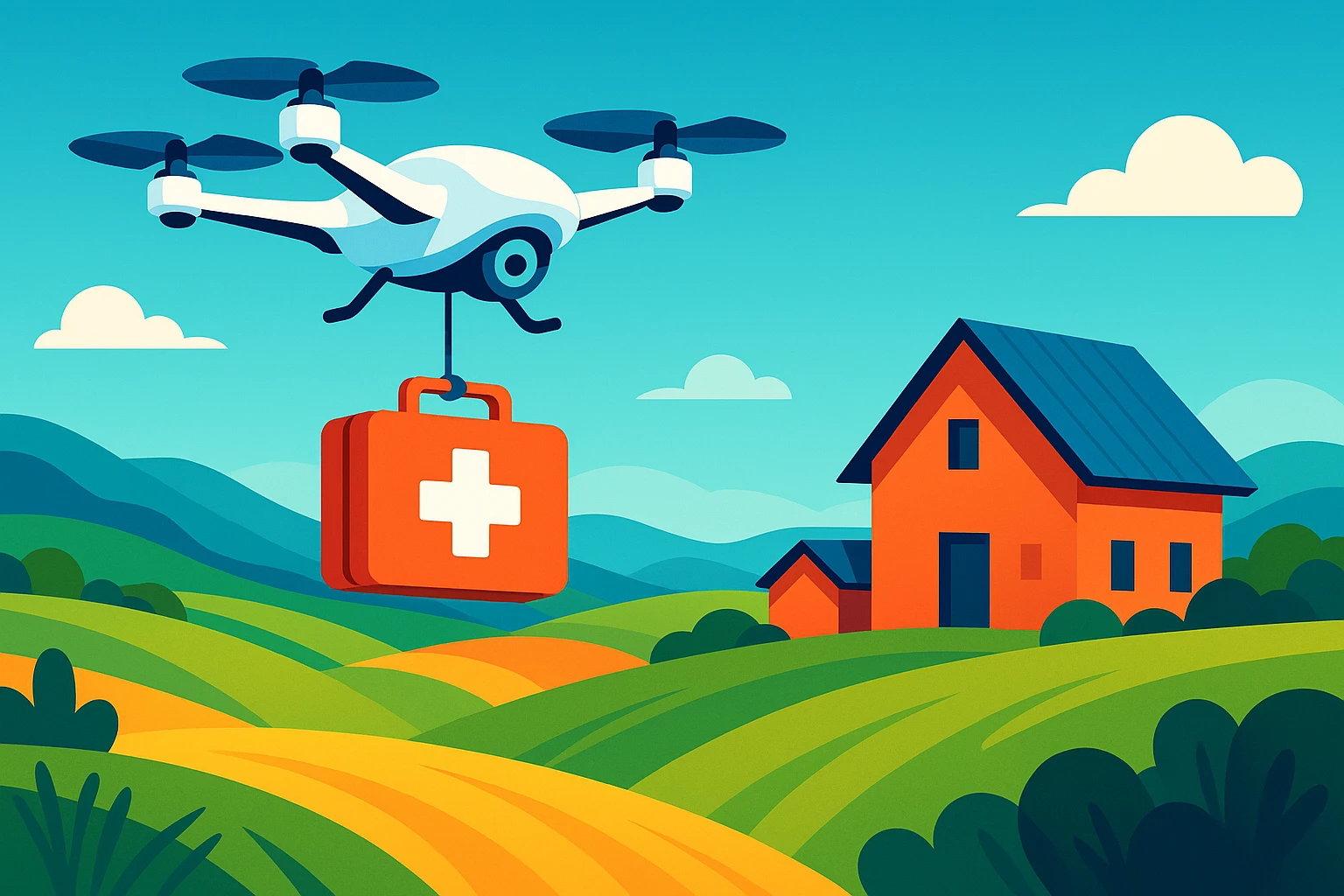
The Role of Technology in Remote Medical Support
Technological advancements have played a pivotal role in transforming remote medical support. A key development has been the incorporation of telemedicine platforms, which allow healthcare providers to deliver high-quality medical care without geographical constraints. Video consultations and secure messaging systems enable patients to receive timely advice and treatment from medical professionals, enhancing both accessibility and efficiency.
Wearable health devices are another significant tool in this transformation. These devices, such as smartwatches and fitness trackers, continuously monitor vital signs and can alert medical staff of any anomalies. For instance, in cases where patients live far from medical facilities, wearables can promptly detect irregular heart rhythms, prompting immediate remote intervention. Recent studies have shown that remote monitoring of heart conditions can reduce hospital visits by up to 25% [source].
Innovative Platforms Enhancing Access
Platforms like ChatWithDr are revolutionizing the industry by providing an integrated digital space for patient-doctor interactions. These platforms streamline the process of medical consultation, enabling patients to access professional advice conveniently, thus eliminating the need for physical travel. The dual functionality of chat and video consultations offers both flexibility and immediacy in medical support.
Additionally, mobile health applications are expanding the scope of healthcare accessibility. These apps allow patients to manage chronic conditions, schedule appointments, and even order medications online. In resource-limited settings, mobile health applications often serve as the primary touchpoint for medical information and assistance, bridging the gap between patients and healthcare providers.
The Future of Remote Diagnostic Tools
The development and deployment of advanced diagnostic tools are further augmenting remote medical support. For example, AI-driven platforms can analyze medical images and provide accurate diagnoses from afar. According to a study published by the Journal of Medical Internet Research, AI tools have achieved diagnostic accuracy rates comparable to experienced radiologists [source]. This progress not only supports remote diagnostics but also alleviates the burden on human resources, allowing for more patient-centric care.
As technology evolves, the integration of virtual reality (VR) and augmented reality (AR) in training medical professionals is gaining momentum. These technologies offer immersive educational experiences, preparing medical staff to handle complex remote consultations effectively. The rise of these advanced tools signifies a promising future where remote medical support becomes more comprehensive and accessible across diverse populations.
Enhancing Outcomes Through Integrated Remote Solutions
Building on immersive training methods such as VR and AR, integrated platforms that combine remote monitoring, virtual consultations, and care coordination are redefining patient care dynamics. In rural California, a telehealth initiative using wearable blood pressure and glucose monitors plus tablets and health coaching led to meaningful improvements: hypertensive patients experienced a 20-point drop in systolic blood pressure over six months, and diabetic patients saw a nearly 4-point improvement in glycemic control arxiv.org. These results illustrate how combining personalization with technology yields tangible health benefits.
Remote Monitoring in Emergencies and Beyond
Transitioning seamlessly from crisis to routine care, remote systems prove their adaptability and value. At UCLA, a study of 73 COVID-19 patients using remote sensors—including pulse oximeters and thermometers—showed improved activity, respiratory rate, and oxygen saturation over two weeks formative.jmir.org. This case highlights the capability of remote frameworks to support patient recovery while minimizing infection risk and easing pressure on healthcare facilities.
Patient Experience and Chronic Care Management
Patient satisfaction is fundamental to the durability of remote models. In the Brook Remote Care program, 89% of chronic-condition participants rated the service as useful, and half reported better physical health, reduced stress, and increased condition awareness pmc.ncbi.nlm.nih.gov. Such engagement underscores the value of combining digital monitoring tools with human touchpoints like nurse follow-up and educational content.
Clinician Insights and Practical Challenges
Healthcare professionals generally support remote monitoring, particularly for its ability to facilitate early intervention, enhance self-management, and present health trends clearly pubmed.ncbi.nlm.nih.gov. Still, they point to realistic concerns: data overload, occasional inaccuracies, potential patient anxiety, and uneven reimbursement remain pressing issues. Addressing these requires thoughtful workflows and targeted support.
Actionable Recommendations
Organizations seeking to bolster outcomes can consider these specific steps:
- Integrate wearable devices with telehealth platforms for continuous monitoring and real-time feedback.
- Pair digital tools with personalized elements, such as coaching or educational messaging, to maintain engagement.
- Use remote systems strategically—for chronic disease follow-up or during health crises—to reduce facility burden while maintaining care quality.
- Design systems to prevent provider burnout, such as alert thresholds to filter incoming data and dedicated team roles for remote oversight.
These measures enable a transition from fragmented technology pilots toward scalable, patient-centered models that improve outcomes and support sustainable delivery.
By weaving together devices, human interaction, and meaningful workflows, this evolving landscape demonstrates how remote medical support continues to deliver care that is both effective and empathetic.
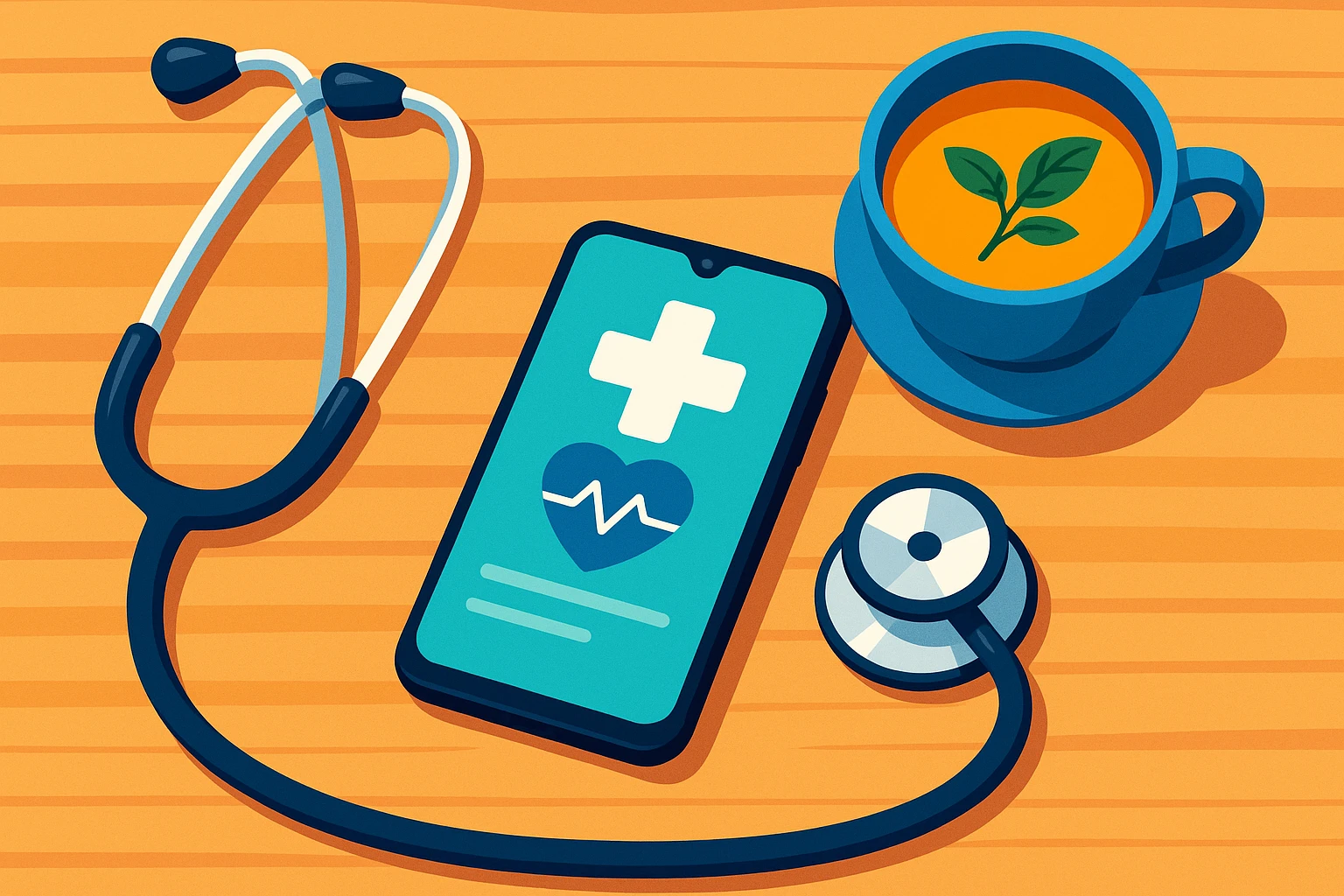
Conclusion: Key Takeaways and Next Steps
As the landscape of healthcare continues to evolve, embracing remote medical support offers tangible benefits that extend beyond convenience. Evidence from Mayo Clinic’s remote patient monitoring (RPM) program during the COVID‑19 pandemic revealed that engaged patients experienced significantly lower 30‑day mortality and hospitalization rates, along with an average cost savings of $1,259 per patient—highlighting both improved outcomes and economic impact Mayo Clinic News.
Furthermore, targeted RPM interventions tailored for underserved, rural populations have produced notable clinical improvements. A rural California study involving over 200 patients using wearable blood pressure and glucose devices alongside health coaching demonstrated a mean systolic blood pressure reduction of over 20 points and HbA1c improvements in diabetic patients—underscoring the feasibility and effectiveness of remote health coordination in settings with limited access arXiv (2025).
Actionable Insights
- Providers should promote patient engagement with remote monitoring tools through clear training and follow‑up, since active participation significantly enhances outcomes.
- Health systems serving rural or underserved areas should consider investing in RPM technologies and health coaching to improve chronic disease management and reduce disparities.
- Organizations must track real‑world metrics—including reductions in hospitalizations, cost savings, and improved vital signs—to support internal ROI assessments and inform payer negotiations.
Looking ahead, combining these technologies with supportive services creates a proactive model of care that detects adverse trends early and empowers patients in managing their health from home. This shift not only reduces system strain but also fosters more equitable access to quality care.
To implement these strategies seamlessly, explore ChatWithDr, which provides integrated remote medical support tools tailored for both patients and providers. By leveraging evidence-based approaches and the right platforms, healthcare organizations and professionals can confidently transition toward more effective, patient-centered, remote care solutions.
Article Generated by Soogle
Related posts:
 Harnessing the Power of Digital Health Support: A Comprehensive Guide Comprehensive Guide to Remote Health Care Solutions
  The Ultimate Guide to Virtual Doctor Visits: Navigating Your Online Healthcare Journey The Ultimate Guide to Online Doctor Help: Your Virtual Healthcare Solution
  Innovative Ways to Consult with a Medical Expert Online