
Introduction
In today’s world, time is a precious commodity—and healthcare is no exception. Imagine accessing professional medical advice without ever leaving your couch, bypassing long waits and rigid appointment schedules. This shift toward immediacy and convenience is reshaping expectations, and services that enable near-instant access to medical support are rapidly gaining traction. Whether it’s a quick consultation for a minor ailment or ongoing monitoring of chronic conditions, the evolving healthcare landscape is embracing solutions designed for speed, flexibility, and patient empowerment.
A Growing Demand for Convenience
Fast-paced lifestyles and increasing urbanization are fueling demand for on-the-spot care through alternatives to traditional scheduling. According to industry projections, the global walk-in services market—including urgent care and digital clinics—is expected to reach USD 1,861.9 million by 2034, growing at a compound annual rate of 5.5% globenewswire.com. This illustrates how consumers prioritize accessibility and immediacy when it comes to managing their health.
Building Trust Through Proven Models
Take Mercy Virtual, for example—a pioneering “virtual hospital” based in Missouri that delivers diagnosis, remote monitoring, and treatment planning entirely via telemedicine en.wikipedia.org. Real-world models such as this demonstrate how remote-first healthcare can operate securely and effectively, often leveraging smart devices to continually track patient vitals without the need for in-office visits.
Technological Momentum and Future Outlook
Meanwhile, market research confirms the rapid rise of telehealth: the global telehealth market is projected to reach approximately USD 285 billion by 2027, supported by integration with wearables, AI-driven diagnosis, and enhanced security protocols whitecoats.com. Advanced capabilities—like real‑time data transmission and AI‑assisted triage—are enabling providers to deliver faster, more accurate care, even before a patient steps foot in a clinic.
Beyond Convenience: Real Impact
Incorporating remote patient monitoring (RPM) technologies has shown meaningful clinical improvements. By tracking metrics such as blood pressure, glucose levels, or oxygen saturation in real time, clinicians can intervene promptly, often preventing complications and reducing hospital readmissions en.wikipedia.org. These tools enhance both patient safety and peace of mind, making what was once considered futuristic feel immediate and practical.
As healthcare systems evolve, patient expectations continue to rise—and the move toward services that deliver care on demand is only accelerating. In this article, we’ll explore how these instantaneous, technology-driven models are redefining access, outcomes, and satisfaction across the healthcare spectrum.
Understanding the Dynamics and Impact of Instant Healthcare Services
Moving seamlessly from futuristic aspirations, the real-world mechanics of on-demand care are now grounded in tangible results. A prime indicator of this shift lies in the explosive growth of virtual consultations. In 2024, over 116 million individuals worldwide used online doctor appointments—nearly double the number from 2019—highlighting how quickly patients gravitate toward immediate medical engagement rather than traditional scheduling hurdles Statista.
Meanwhile, the U.S. healthcare landscape reflects this surge. Almost 87% of hospitals provided telemedicine services as of 2024, a sharp rise from 72.6% in 2018, underscoring how institutional capacity is scaling alongside patient demand GetStream.
Concrete Examples Demonstrating the Promise
Consider platforms like Doxy.me, which hosted over 400 million telehealth sessions by 2024, enabling nearly 10 billion minutes of clinician–patient interaction. This level of adoption across diverse healthcare settings illustrates how virtual care tools can become foundational to everyday practice Doxy.me (Wikipedia).
Another noteworthy case is Doctoranytime, a health-tech platform that supports real-time doctor chat and video consultations. By 2025, it served more than 5 million registered users and collaborated with over 50,000 physicians across Greece, Belgium, Mexico, Colombia, and beyond. Its integration of appointment booking, transparent pricing, and messaging features showcases how digital-first services elevate both access and engagement Doctoranytime (Wikipedia).
Key Insights Worth Applying
- Embrace scalability: Platforms like Doxy.me demonstrate that reproducible infrastructure can support exponential usage without compromising performance.
- Prioritize accessibility: Tools like Doctoranytime’s instant chat and booking capabilities reduce friction and empower patients across regions with varying provider density.
- Focus on integration: Offering seamless transitions between virtual and in-person care—through features like scheduling, follow-ups, and secure messaging—can meaningfully elevate efficiency and satisfaction.
Bridging from earlier discussions, these examples illustrate that the promise of instant healthcare services is not theoretical—it’s actively reshaping patient engagement, operational models, and outcomes across the care continuum.
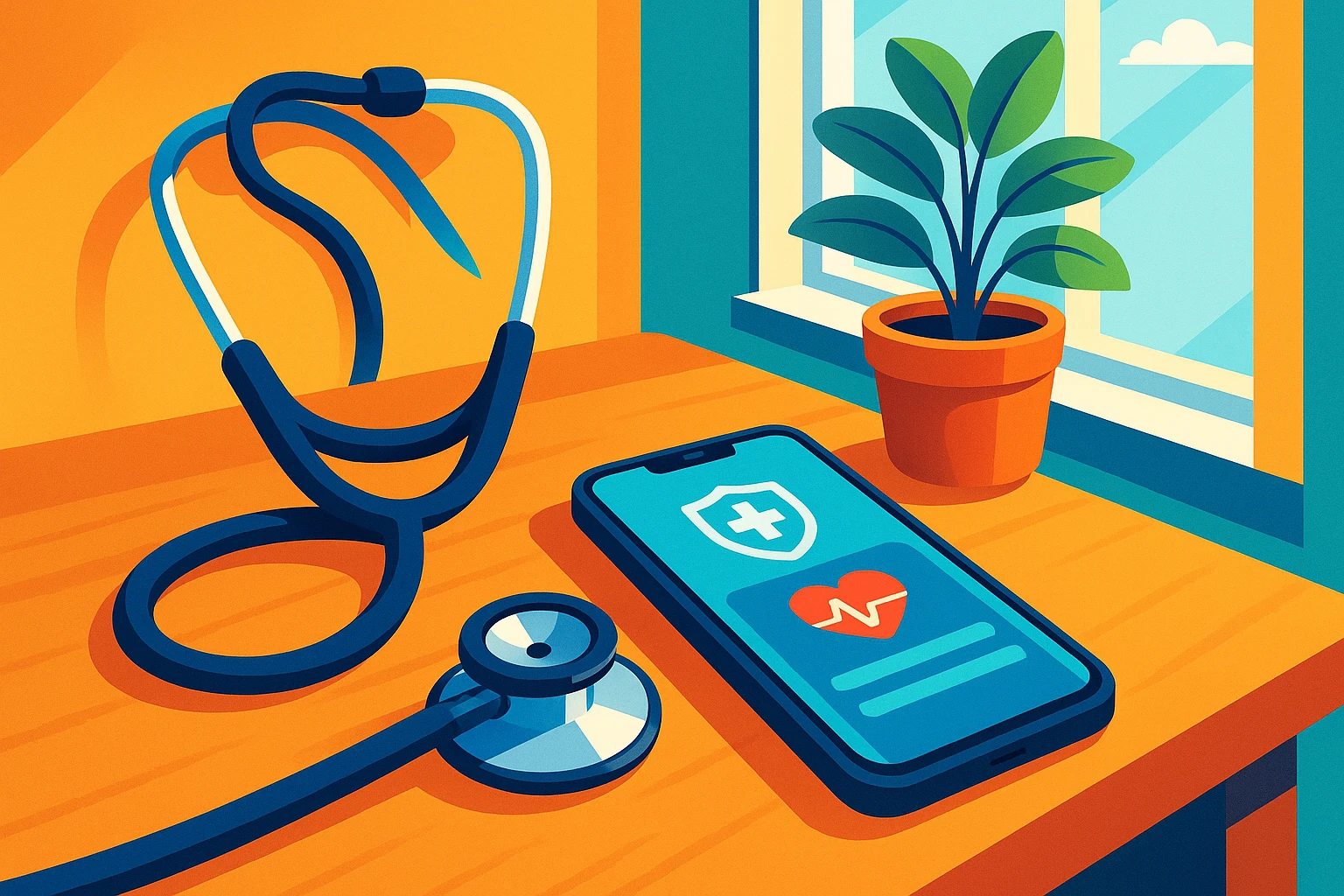
Implementing Instant Healthcare Services for Enhanced Patient Care
In recent years, the demand for instant healthcare services has significantly transformed the medical landscape. With patients expecting swift access to medical advice, healthcare providers are harnessing technology to meet these expectations. Telemedicine is a prominent feature of this transformation. By utilizing telehealth platforms, patients can consult doctors via video calls, reducing the need for immediate physical visits unless necessary. This approach enhances the efficiency of healthcare delivery and provides timely support for acute and chronic conditions.
One compelling example of technological integration is the use of AI-driven chatbots in healthcare applications. These chatbots can perform preliminary assessments based on input symptoms and recommend possible courses of action. For example, Harvard Health Publishing highlights that AI chatbots can triage patients, prioritize cases, and schedule follow-up consultations, making healthcare services more accessible and streamlined. Moreover, many professionals leverage platforms like ChatWithDr to streamline their workflow and enhance patient engagement.
Statistics indicate that the adoption of instant healthcare services is on the rise. According to a report by Frost & Sullivan, the global market for healthcare chatbots is projected to reach $703.2 million by 2025. Such growth reflects a significant shift towards digital solutions in healthcare infrastructure, driven by the need for more efficient patient management and reduced operational costs. As the digital ecosystem evolves, more healthcare providers are expected to implement these innovations, enhancing the accessibility and quality of care.
Despite these advancements, there are challenges to consider. Privacy concerns and data security remain critical in the widespread adoption of instant healthcare services. Ensuring patient data is securely handled while maintaining compliance with regulations such as HIPAA is essential. These factors necessitate robust cybersecurity measures and transparent data management practices to build and maintain patient trust.
In conclusion, the integration of technology into healthcare through instant services is revolutionizing how care is delivered. With ongoing advancements, healthcare providers must balance innovative solutions with security and ethical considerations to ensure the future of patient care remains both progressive and secure.
Innovations Enhancing Patient Engagement and Accessibility
Building on the conclusion of the previous section, today’s healthcare landscape is evolving through the integration of systems that not only respond rapidly but also empower patients and providers with seamless interactions.
Smart Kiosks and Onsite Diagnostics
One tangible example of innovation in instant healthcare services lies in medical kiosks. These units—often referred to as health ATMs—are deployed in workplaces, public venues, and campuses, enabling individuals to conduct vital sign checks, basic lab analyses, and even ECGs almost instantly, without staff intervention. Many are equipped with telemedicine features that allow users to connect directly with clinicians in real time en.wikipedia.org. Such deployment dramatically improves access in underserved areas while reducing pressure on emergency and primary care facilities.
Virtual Clinics and the Rise of “Hospital at Home” Models
Advancements in virtual care have led to the emergence of remote-only facilities like Mercy Virtual, a “virtual hospital” in Missouri. It delivers diagnosis, health monitoring, and care recommendations entirely through telehealth channels—circumventing traditional in-person visits en.wikipedia.org. Coupled with “hospital at home” programs, such setups have contributed to substantial savings and improved clinical outcomes—for instance, reducing inpatient costs by 19% to 30% in programs run by Johns Hopkins Medicine onlinenursing.twu.edu.
Chronic Disease Management and Telemonitoring
For patients managing long-term conditions, continuous monitoring and timely adjustments are crucial. Telehealth initiatives have delivered proven improvements: meta‑analyses show telehealth reduces hospitalizations by up to 110 per 1,000 patients and shortens hospital stays by nearly a day per admission pubmed.ncbi.nlm.nih.gov. In diabetes care, greater patient engagement through remote consultations and self-monitoring tools has yielded measurable improvements in outcomes such as HbA1c levels pubmed.ncbi.nlm.nih.gov. These systems not only deliver convenience but also demonstrate tangible gains in health metrics.
Reducing Travel Burden and Productivity Loss
Another practical benefit is efficiency at the societal level. Patients across various regions now avoid lengthy commutes for routine consultations. In Queensland, Australia, telehealth avoided nearly A$304 (approx. US$215) in productivity losses per consult, while U.S. patients saved on average 37 minutes of travel time and about US$51 in lost wages sciencedirect.com. These economies reinforce the value of virtual outreach—not just for individuals, but for communities and health systems alike.
Actionable Insights for Providers
- Deploy medical kiosks in high-traffic or underserved areas to offer instant screenings coupled with teleconsultations, enhancing accessibility.
- Integrate virtual hospital models and hospital-at-home services to expand care delivery capabilities while easing burden on brick-and-mortar facilities.
- Use telemonitoring platforms strategically for chronic disease populations to reduce critical events and improve adherence to treatment.
- Track travel time and productivity metrics to quantify the broader impact of virtual care and build compelling ROI cases.
By leveraging these innovations—supported by real-world data and case studies—healthcare organizations can deliver rapid, personalized services while maintaining efficiency, equity, and measurable outcomes.
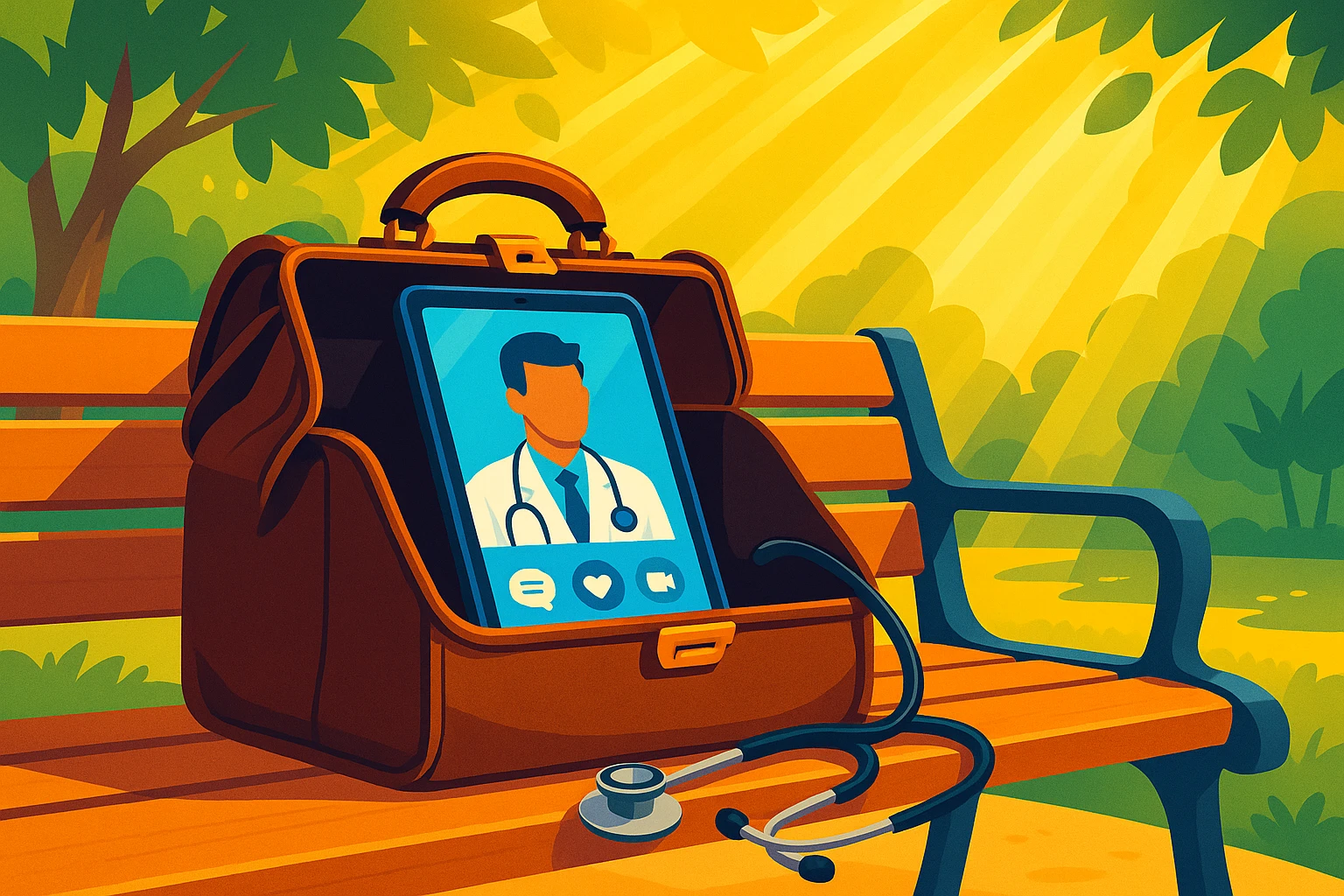
Conclusion: Embracing the Future of Instant Healthcare Services
In an era defined by expedience and accessibility, instant healthcare services offer transformative benefits for patients and providers alike. These services prioritize urgent care, providing timely interventions that can significantly enhance patient outcomes. As our healthcare landscape evolves, the ability to connect with medical professionals swiftly and efficiently becomes not just a luxury, but a necessity.
A hallmark example is the increasing use of telemedicine platforms. Such platforms enable healthcare providers to reach patients remotely, offering consultations, diagnoses, and follow-ups through digital channels. According to a report by McKinsey, telehealth adoption surged by nearly 40% during the pandemic, highlighting its critical role in maintaining healthcare delivery during crises.
Moving forward, integrating artificial intelligence and machine learning into these services can further streamline patient care. AI-driven diagnostics and personalized treatment plans can help in reducing human error and enhancing precision. For instance, AI algorithms can analyze patient data more quickly than traditional methods, allowing for faster medical response and care adjustments.
For healthcare providers and patients aiming to harness these benefits, partnering with robust platforms is key. One such option is ChatWithDr, which offers a comprehensive approach to accessing these instant healthcare services. By leveraging these tools, both patients and professionals can ensure that they stay at the forefront of healthcare advancements.
The takeaway is clear: by embracing instant healthcare services, we not only enhance the quality and speed of medical care but also create a more resilient healthcare system. As technology continues to advance, its integration into healthcare promises to significantly improve patient experiences and outcomes. It’s time for healthcare stakeholders to seize these opportunities to foster a system that meets the demands of the modern world.
Article Generated by Soogle
Related posts:
 Doctor On Demand Analysis: A Comprehensive Guide and In-Depth Dive
  The Ultimate Guide to Virtual Doctor Visits: Navigating Your Online Healthcare Journey The Comprehensive Guide to Virtual Medical Consultations The Ultimate Guide to Remote Medical Support Comprehensive Guide to Remote Health Care Solutions