
Introduction
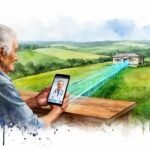
A growing number of healthcare organizations are embracing innovation to meet evolving patient needs, and the rise of remote health care solutions exemplifies that shift. Patient demand for convenient, accessible care—especially in rural and underserved communities—has accelerated the adoption of digital health platforms. For instance, in a rural California study, participants using remote monitoring tools for hypertension and diabetes saw significant clinical improvements: systolic blood pressure dropped by an average of 20.24 points and blood sugar levels decreased by nearly 4 points within six months, demonstrating tangible health outcomes when care is delivered remotely (Kim et al., 2025).
Meanwhile, the market for telemedicine is expanding rapidly. A recent report projects the U.S. market alone to grow from roughly $2.72 billion in 2024 to over $13 billion by 2034, tracking a 17% compound annual growth rate Precedence Research. On a global scale, the telehealth industry is also surging—forecasted to rise from $22.8 billion in 2024 to $156.3 billion by 2035, supported by investments in AI, remote monitoring, and interoperable platforms Vantage Market Research.
These trends underscore how the healthcare industry is transforming—shifting from traditional, in-person interactions to scalable, patient-centered models that leverage technology for better care delivery. Remote health care solutions are delivering real-time benefits: reducing travel burdens, increasing compliance with treatment, and allowing clinicians to monitor conditions beyond the clinic walls.
Consider a provider network that integrates wearables and AI analytics to flag early warning signs—such as arrhythmias or glucose spikes—before they escalate into emergencies. That proactive model not only enhances patient outcomes, but also helps reduce costly hospital admissions. As regulatory bodies refine reimbursement frameworks and policy incentives align with telehealth innovation, such models are gaining momentum across specialties—from chronic disease management to behavioral health and post-operative care.
The path forward demands a deeper exploration of how platforms are structured, compliance is ensured, and workflows evolve. In the sections that follow, this article will examine best practices, technical frameworks, and real-world approaches that practitioners and health systems can adopt to harness the full potential of digital-first care delivery.
Examining Implementation and Measurable Outcomes
Building upon the discussion of workflows and compliance, attention now turns to how remote health care solutions are implemented and the measurable benefits they deliver. Filling in the picture requires evidence—from clinical trials to operational analyses—that illustrates how digital care models deliver real-world value.
Clinical Evidence and Patient Outcomes
Recent studies offer compelling outcomes. One randomized controlled trial on postoperative telehealth follow-up following ambulatory surgeries reported a statistically significant gain in quality-adjusted life years (QALYs) by postoperative day 14, translating into economic benefits of CAD $94 to $148 per patient though overall unplanned healthcare usage remained similar Journal of Medical Internet Research. Another systematic meta-analysis of over 10,500 patients undergoing abdominal surgery found that telemedicine interventions were associated with reduced rates of emergency department visits (pooled risk ratio 0.78) and readmissions (RR 0.67), with no increase in complications, highlighting both safety and efficiency gains JAMA Network Open.
Chronic Disease Management in Underserved Communities
Implementation in rural settings yielded striking improvements as well. In a rural California community health center, patients with hypertension experienced a mean reduction in systolic blood pressure of over 20 mmHg at six months, and those with diabetes saw hemoglobin A1C drops near 4 points—all enabled by wearable monitoring, tablets, and health coaching arXiv preprint. These findings illustrate how digitally enabled care improves outcomes in traditionally underserved populations.
Operational Efficiency and Access
Beyond clinical effects, remote services often boost efficiency and access. A Mayo Clinic e-consult program helped avoid 1,800 specialty visits and saved around $450,000 annually, while also shortening response times to 2.6 days versus nearly 8 days for traditional referrals Wikipedia – E‑consult. These operational efficiencies free up in-person clinic capacity and reduce financial burdens—crucial benefits amid provider shortages.
Key Takeaways for Adoption Strategies
- Prioritize scalable interventions with proven clinical impact, such as remote monitoring for chronic disease or virtual postoperative follow-up backed by RCTs and meta-analyses.
- Target underserved or rural populations where digital workflows can yield the greatest disparities reduction.
- Track both clinical metrics (e.g., readmissions, symptom scores) and operational KPIs (e.g., wait times, cost savings) to build a robust value case.
These varied yet complementary insights demonstrate the tangible promise of remote health care solutions. The following section will explore the technical architectures and regulatory frameworks that support these platforms’ effectiveness and scalability.
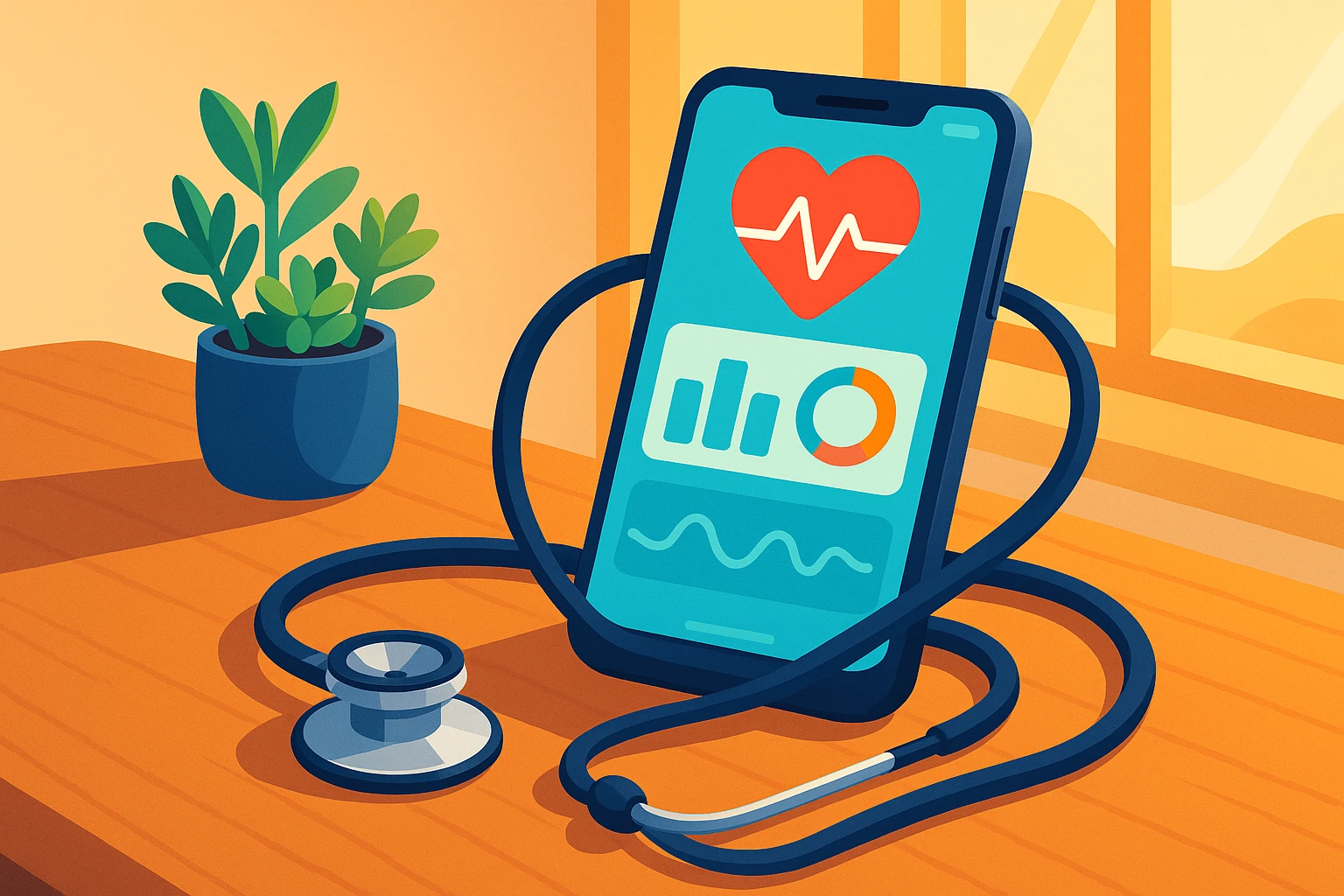
Telemedicine and Virtual Consultations
Telemedicine stands as a cornerstone in remote health care solutions. By facilitating virtual consultations, it ensures that patients receive medical attention without the need for physical visits. This approach is especially beneficial for those living in rural or underserved areas where access to healthcare providers may be limited. For instance, a patient managing chronic conditions such as diabetes can consistently monitor and communicate with their healthcare provider through video calls, thus reducing emergency visits. According to a study by the American Medical Association, virtual consultations can decrease ER visits by up to 25% (AMA Report 2022). This illustrates how remote health care can ease system burdens while improving patient outcomes.
The Advantage of Real-Time Monitoring
Real-time health monitoring devices have revolutionized patient care by allowing continuous tracking of vital signs. Wearable devices and apps enable patients to monitor their heart rate, blood pressure, and oxygen levels, sharing this data instantly with healthcare professionals. Many platforms, such as ChatWithDr, integrate these technologies to deliver comprehensive care packages. For instance, a patient recovering from surgery can use wearable technology to ensure their vitals remain stable, with the platform alerting physicians in case of anomalies. Such proactive health management aids in quick interventions, thereby reducing complications and enhancing recovery.
Case Study: Effective Management of Chronic Diseases
The management of chronic diseases like hypertension and COPD has been significantly improved through remote health care solutions. A case study from Cleveland Clinic demonstrated how telehealth services helped patients manage hypertension by offering regular online check-ins, personalized treatment plans, and digital monitoring devices (Cleveland Clinic 2023). Moreover, these remote services have led to a 30% improvement in patient adherence to treatment regimens, showcasing the impact of ongoing virtual support. Such evidence highlights the transformative potential of remote health care in managing prolonged health conditions.
As the demand for efficient and accessible healthcare grows, remote health care solutions offer a promising path forward, ensuring that medical support is only a click away. Whether it’s through virtual consultations or advanced monitoring tools, the possibilities for enhancing patient care are vast and continually evolving.
Enhancing Outcomes Through Practical Applications
Transitioning smoothly from the promise of remote health care solutions, it’s vital to examine how these approaches translate into tangible outcomes. Several programs and studies illustrate the real-world impact of remote care in managing chronic health conditions.
Demonstrated Clinical Benefits
An observational study evaluating a comprehensive remote care program revealed that nearly 89% of participants found the program useful, and two-thirds were likely to recommend it to others. Almost half reported improvements in physical health and reductions in health-related stress, while nearly half gained better knowledge of their conditions—underscoring the value of combining device monitoring, nurse outreach, and personalized coaching JMIR Human Factors.
In addition, a nurse-led tele-homecare randomized controlled trial demonstrated a statistically significant reduction in emergency department visits and mortality among patients with multiple chronic illnesses. Participants benefitted from 24-hour remote monitoring and early detection of health changes, leading to improved quality of life PubMed.
System-Level Impact and Broader Adoption
Meta-analyses and systematic reviews validate the broader effectiveness of remote interventions. One meta-analysis covering adults with COPD, asthma, heart failure, diabetes, and fibromyalgia found significant improvements in physical conditioning and overall health, although quality of life metrics showed no substantial change PubMed. Another review reported that telehealth programs significantly enhanced physical, mental, and social aspects of quality of life across diverse chronic diseases, though changes in depression, anxiety, and fatigue were mixed JMIR.
Cost Reduction and Expansion of Access
From an operational perspective, a case study by VE3 documented a 60% increase in virtual visits after adopting telehealth with remote monitoring, which led to a 40% drop in hospital readmissions among patients with chronic conditions. The health system also saw a 20% reduction in operational costs, facilitating more efficient resource allocation VE3 case study.
Bridging the Gaps for Underserved Communities
Remote patient monitoring offers powerful advantages for patients managing complex therapies at home. By enabling oversight outside traditional healthcare settings, individuals maintain independence, reduce complications, and minimize costs—benefits that are particularly significant in rural or underserved areas Wikipedia: Remote patient monitoring.
Collectively, these examples illustrate how strategic use of remote models—from device-enabled monitoring to tele-homecare—can yield improved outcomes, enhanced patient engagement, and cost efficiencies. Such evidence supports continuing advances in care design and broader adoption of these platforms.
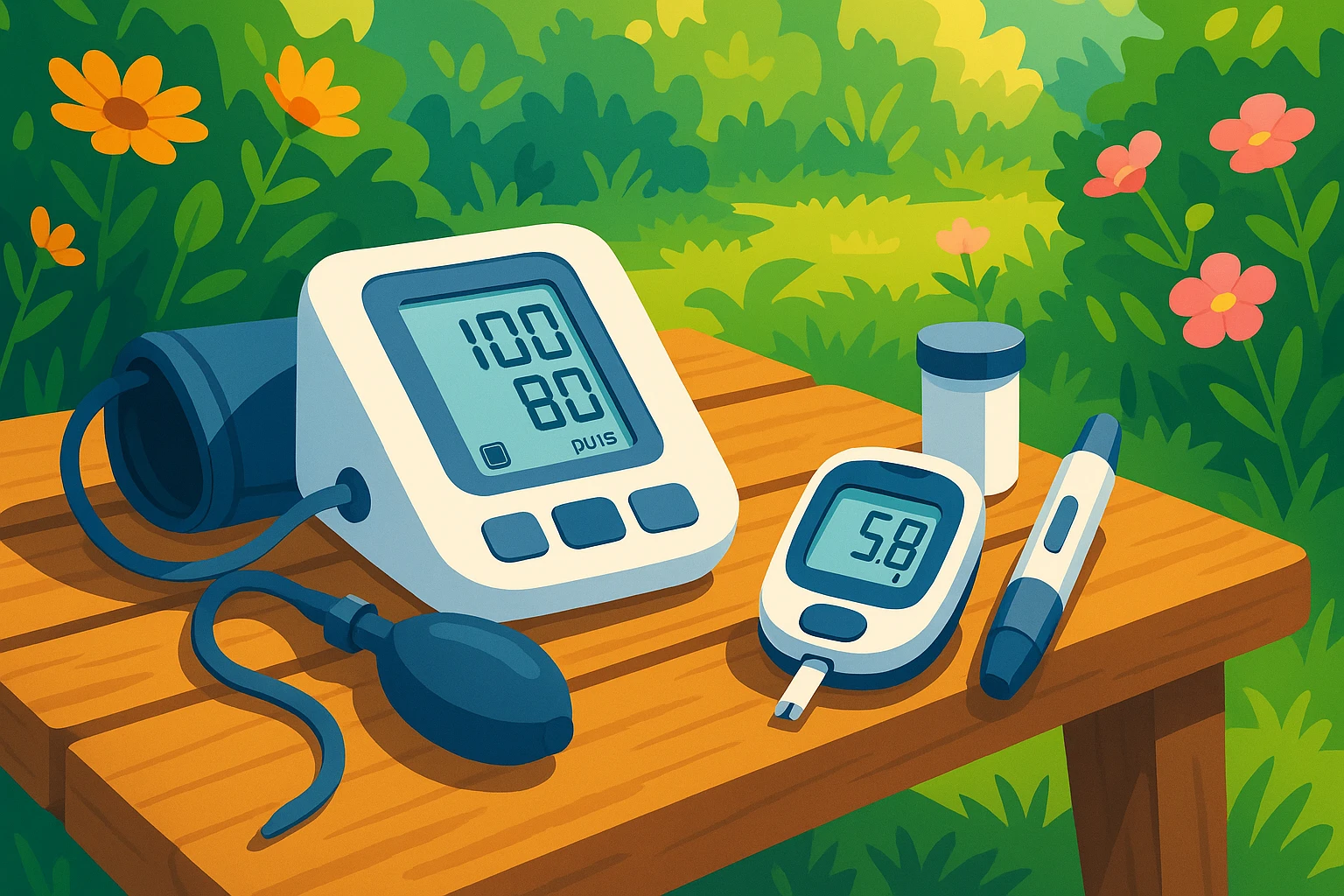
Conclusion: The Future of Remote Health Care Solutions
As the world continues to embrace technological advancements, remote health care solutions offer a promising pathway to improving global health care accessibility. By leveraging telemedicine, wearable technologies, and mobile health apps, patients and providers can bridge the gap created by geographical and logistical barriers. For health care providers, integrating these solutions ensures enhanced patient engagement, reduced operational costs, and improved treatment outcomes.
Moreover, the rise of artificial intelligence and machine learning in this domain brings unprecedented opportunities for predictive diagnostics and personalized treatment plans. According to a recent study, the implementation of AI in remote health care could lead to a 20% increase in diagnostic accuracy [source]. These technologies not only empower patients with real-time health data but also facilitate clinicians’ efforts in delivering timely and tailored care strategies.
Actionable Insights: Optimizing Remote Health Care
To effectively adopt remote health care solutions, health care systems should prioritize the integration of secure platforms that ensure data privacy and patient confidentiality. Continuing to invest in digital literacy for both patients and providers is crucial in achieving widespread adoption. Overcoming technological barriers by implementing user-friendly interfaces and ensuring reliable internet access, particularly in underserved areas, remains a top priority.
For practical implementation, health care systems can look to successful case studies, such as the one undertaken by Mercy Virtual Care Center, which streamlined care management for chronic disease patients, resulting in a 50% reduction in hospital admissions [source]. Replicating such models can offer scalable solutions tailored to various patient demographics and medical needs.
A Call to Action
To fully harness the benefits of remote health care, it is essential for both individuals and health institutions to stay informed and proactive. Starting this journey can be seamless with the assistance of innovative platforms like ChatWithDr. As a comprehensive resource, ChatWithDr offers support in navigating the complex landscape of digital health solutions, ensuring you are well-equipped to optimize patient care and operational efficiency.
Ultimately, embracing remote health care solutions represents more than just technological advancement; it signifies a commitment to a future where health care equity, efficiency, and excellence are within reach for all.
Article Generated by Soogle
Related posts:
 The Ultimate Guide to Remote Medical Support Harnessing the Power of Digital Health Support: A Comprehensive Guide
  The Ultimate Guide to Virtual Doctor Visits: Navigating Your Online Healthcare Journey The Comprehensive Guide to Virtual Medical Consultations
  Closing the Distance on Medical Care in Rural Areas