
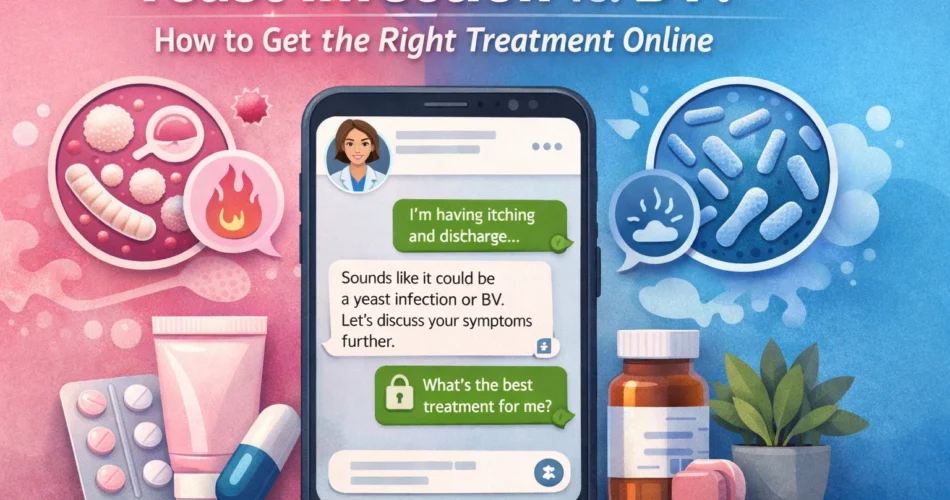
Medically reviewed by a licensed U.S. physician
You've noticed unusual discharge, discomfort, or itching: but is it a yeast infection or bacterial vaginosis (BV)? While both are common vaginal infections affecting millions of women each year, they require completely different treatments. Using the wrong medication can delay healing, worsen symptoms, or lead to recurring infections.
The good news? You don't need to sit in a waiting room to get the right diagnosis and treatment. Here's everything you need to know about yeast infections vs. BV: and how to get proper care online in under 2 hours.
Why Knowing the Difference Matters
Approximately 75% of women will experience at least one yeast infection in their lifetime, while nearly 30% will develop bacterial vaginosis. Despite how common these conditions are, studies show that self-diagnosis is wrong nearly half the time.
Here's why accurate diagnosis is critical:
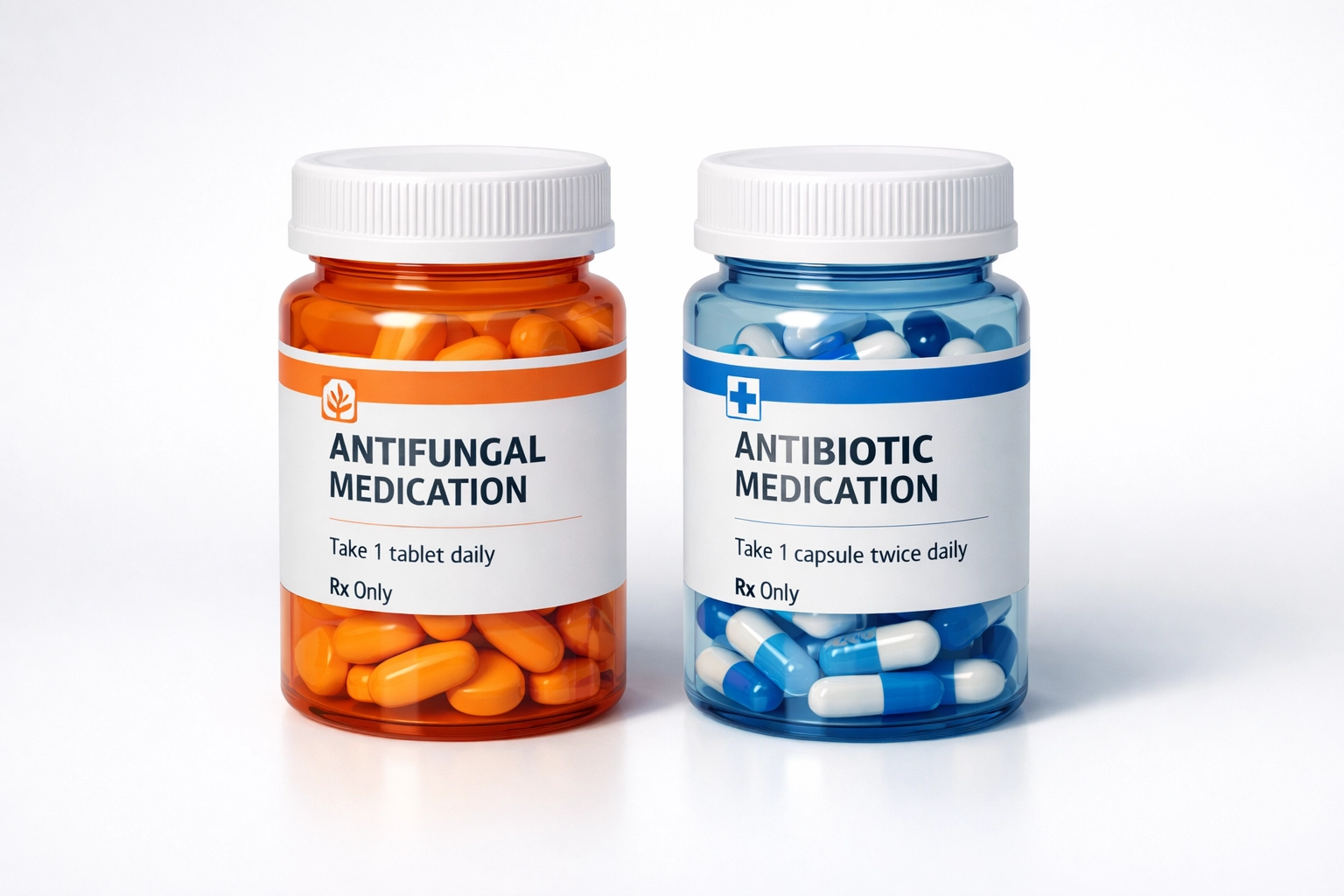
- Yeast infections require antifungal medications (like fluconazole or miconazole)
- Bacterial vaginosis requires prescription antibiotics (typically metronidazole or clindamycin)
- Using the wrong treatment won't resolve your symptoms
- Untreated BV can increase risk of STIs and complications during pregnancy
- You can have both infections simultaneously, requiring dual treatment
The symptoms overlap enough to cause confusion: but the differences in discharge characteristics, odor, and inflammation can help you and your healthcare provider determine what's actually going on.
Yeast Infection vs. BV: The Key Differences
Discharge Characteristics
This is often the most telling difference:
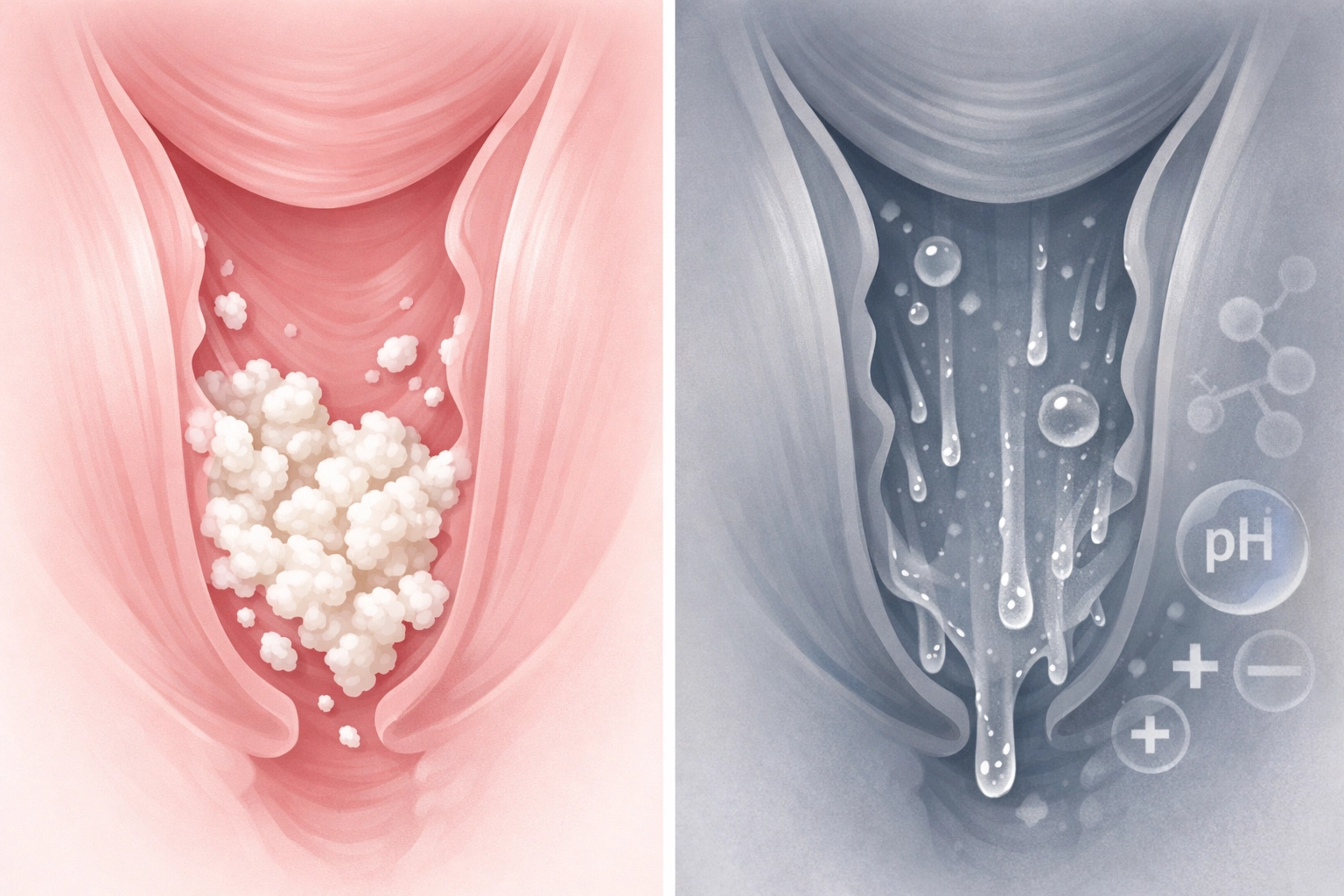
Yeast Infection:
- Thick, white discharge resembling cottage cheese or ricotta
- No odor (or a mild yeasty smell)
- Often accompanied by severe itching
- Discharge may increase in volume
Bacterial Vaginosis:
- Thin, watery discharge that's gray, white, or greenish
- Strong fishy odor, especially after sex or during menstruation
- Less discharge overall compared to yeast infections
- The "fishy" smell is caused by pH imbalance, not poor hygiene
According to research from the American College of Obstetricians and Gynecologists, discharge odor is the most reliable distinguishing factor between these two conditions.
Itching and Inflammation
Yeast Infection:
- Intense itching inside and around the vagina
- Noticeable redness and swelling of the vulva
- Irritation that worsens throughout the day
- Possible rash or small cracks in the skin
Bacterial Vaginosis:
- Mild itching or irritation (if any)
- Usually no visible redness or swelling
- About 50% of women with BV have no symptoms at all
- Discomfort rather than sharp pain
Pain During Urination or Sex
Both conditions can cause discomfort, but the type differs:
Yeast Infection:
- Burning sensation during urination (urine touching inflamed tissue)
- Painful intercourse due to inflammation and irritation
- Sharp or stinging pain
Bacterial Vaginosis:
- Mild burning or discomfort during urination
- Uncomfortable (but not intensely painful) during sex
- More of a general unpleasant sensation

What Causes Each Infection?
Yeast Infection Causes
Yeast infections occur when Candida fungus (which naturally exists in your body) overgrows. Common triggers include:
- Recent antibiotic use (antibiotics kill good bacteria that keep yeast in check)
- Hormonal changes during pregnancy, menstruation, or while taking birth control
- Uncontrolled diabetes or high blood sugar
- Weakened immune system
- Tight, non-breathable clothing
- Douching or using scented feminine products
Bacterial Vaginosis Causes
BV develops when there's an imbalance in vaginal bacteria: specifically, when harmful bacteria outnumber the protective Lactobacilli. Risk factors include:
- Having multiple or new sexual partners (though BV is not an STI)
- Douching, which disrupts the vaginal pH balance
- Using an IUD for birth control
- Natural lack of Lactobacilli bacteria
- Smoking
According to the Centers for Disease Control and Prevention, BV is the most common vaginal infection in women ages 15-44.
Why You Shouldn't Self-Diagnose
While over-the-counter yeast infection treatments are available at any pharmacy, using them without proper diagnosis can backfire:
- If you actually have BV, antifungal cream won't help
- Unnecessary antifungal use can lead to resistant yeast strains
- You might delay treatment for the real problem
- Self-treatment can mask symptoms of more serious conditions
Research published in Obstetrics & Gynecology found that only about 35% of women who self-diagnosed yeast infections were actually correct. The rest had BV, other infections, or no infection at all.
This is why connecting with a licensed healthcare provider: even online: makes a significant difference.
How to Get Proper Treatment Online
Getting diagnosed and treated for vaginal infections no longer requires an uncomfortable in-person visit. Here's how online treatment works with ChatWithDr:
Step 1: Describe Your Symptoms (5 Minutes)
Start a secure, HIPAA-compliant medical chat with a U.S.-licensed physician. You'll answer questions about:
- When symptoms started
- Discharge color, consistency, and odor
- Pain level and location
- Previous infections or treatments tried
- Current medications or health conditions
No account creation needed: just start chatting.
Step 2: Get a Professional Assessment (<2 Hours)
Based on your symptom profile, the physician will:
- Determine whether you likely have a yeast infection, BV, or need in-person testing
- Recommend appropriate treatment
- Provide prescription medication if clinically appropriate
- Explain when you should see improvement
For straightforward cases with classic symptoms, diagnosis can often be made through detailed symptom description. If your case is unclear or atypical, the provider may recommend a vaginal swab test at a local lab or clinic.
Step 3: Receive Your Prescription
If prescribed:
- Medications are sent electronically to your preferred pharmacy (usually within 1 hour)
- Pick up the same day or have it delivered
- $39.99 flat fee: no hidden costs or insurance needed
For yeast infections, you might receive:
- Fluconazole (Diflucan) 150mg oral tablet (one-time dose)
- Prescription-strength topical antifungals for severe cases
For bacterial vaginosis, you'll receive:
- Metronidazole (oral or vaginal gel)
- Clindamycin cream
- Full course of antibiotics (typically 5-7 days)
You can review our full pricing and learn more about our online urgent care services.

When to Seek In-Person Care
While most yeast infections and BV cases can be managed through secure medical messaging, certain situations require in-person evaluation:
- First-time symptoms (to establish a baseline diagnosis)
- Symptoms lasting longer than 2 weeks despite treatment
- Recurrent infections (4+ per year)
- Severe pain or fever above 101°F
- Pregnancy (requires in-person monitoring)
- Suspected pelvic inflammatory disease
- Symptoms that don't match typical YI or BV presentation
Your online provider will let you know if you need additional care.
Preventing Future Infections
Once you've treated your current infection, these strategies can reduce recurrence:
For Yeast Infections:
- Wear breathable cotton underwear
- Avoid douching and scented feminine products
- Change out of wet swimsuits or workout clothes quickly
- Consider probiotic supplements containing Lactobacillus
- Manage blood sugar if you have diabetes
For Bacterial Vaginosis:
- Limit the number of sexual partners
- Don't douche (it disrupts healthy bacteria)
- Use condoms consistently
- Take probiotics to maintain vaginal flora balance
- Finish the entire course of antibiotics even if symptoms improve
Women dealing with recurrent UTIs may also experience increased risk for vaginal infections due to antibiotic use.
Additional Women's Health Resources
ChatWithDr offers specialized online treatment for multiple women's health conditions:
All consultations are conducted through secure, HIPAA-compliant medical messaging: no video calls or waiting rooms required.

Get Treatment Now
Don't let confusion about symptoms delay your relief. Whether you're dealing with a yeast infection, bacterial vaginosis, or aren't sure which, a licensed U.S. physician can help you get the right treatment: fast.
Start Your Consultation Now : $39.99 flat rate, no account needed, prescriptions sent to your pharmacy in under 2 hours.
Important: This article is for informational purposes only and does not constitute medical advice. Always consult with a licensed healthcare provider for proper diagnosis and treatment. If you're experiencing severe symptoms, fever, or complications, seek immediate in-person care.
ChatWithDr is a text-based telehealth platform connecting you with licensed U.S. physicians through secure medical messaging. All consultations are HIPAA-compliant and available 24/7.
Related posts:
 Yeast Infection vs BV: How to Tell the Difference
  Why Does My Discharge Smell Sour? A Guide to Causes and Care
  Yeast Infection Symptoms in Women: How to Spot Signs and Find Relief
  Understanding yeast infection after antibiotics treatment: Quick remedies
  Fast Yeast Infection Treatment Online Your Complete Guide