
Introduction
In our fast-paced digital world, accessing healthcare has never been more convenient. The rise of online doctor help is transforming how we interact with medical professionals, offering swift consultations and alleviating the strain on traditional healthcare systems. From busy individuals to those in remote areas, people everywhere are turning to virtual platforms for their medical needs, redefining the traditional doctor-patient relationship.
The demand for online doctor help is surging, driven by the need for timely medical advice without the long wait times often associated with in-person visits. Consider Sarah, a professional juggling a hectic work schedule. Facing persistent symptoms but unable to take time off work, she opted for an online consultation. Within hours, she received a diagnosis and prescription, showcasing how this modern healthcare approach offers a practical solution to time constraints.
This digital shift also addresses critical accessibility issues. Residents in rural locations often encounter challenges accessing quality healthcare due to distance and limited resources. For such individuals, online doctor help becomes a lifeline, providing access to a wide range of medical expertise at the touch of a button. A study by the American Journal of Managed Care highlights that virtual consultations have significantly improved access to care rural populations AJMC source.
Furthermore, the tailored care provided through online platforms is invaluable. With the ability to upload medical records and symptoms, patients receive personalized treatment plans promptly. This efficiency is crucial in managing chronic conditions where regular monitoring is essential. For instance, a diabetic patient can consistently engage with healthcare providers online, ensuring their condition is under control without frequent clinic visits.
Security and privacy, integral to the success of online healthcare, are rigorously upheld. Platforms utilize end-to-end encryption to protect patient information, meeting regulatory standards such as HIPAA, thereby ensuring peace of mind for users. A report on healthcare technology emphasizes the importance of robust security in building trust in online medical services Healthcare IT News.
As we delve deeper into this article, we will explore various aspects of online doctor help, including its benefits, challenges, and the future landscape of digital health. Through real-world examples and expert insights, we aim to provide a comprehensive understanding of how online medical consultations are revolutionizing healthcare delivery today.
Enhancing Care Quality and Outcomes with Online Doctor Help
Building on the rising prevalence of digital consultations, it’s important to understand how online doctor help improves care quality and patient outcomes. A sweeping global rise—from about 57 million users in 2019 to over 116 million by 2024—demonstrates that patients increasingly value virtual access for minor ailments, prescription refills, and mental health support. In the U.S., over half of telemedicine users report enhanced satisfaction with care received, particularly due to reduced wait times and convenience Statista statista.com.
Moreover, online comparisons of care models indicate that the quality of diagnosis and treatment via virtual platforms can rival traditional in-person visits. In one compelling study, an autonomous AI system—tested across 500 urgent care telehealth encounters—achieved diagnostic alignment with human clinicians in 81% of cases and treatment plan consistency in over 99%. Expert review deemed AI superior in 36% of mismatched cases, highlighting the potential for technology to augment clinical capacity and relieve workforce shortages Hayat et al., 2025 arxiv.org.
Beyond rapid response and precision, online doctor help also plays a critical role in reaching underserved and remote populations. For instance, India’s Telangana state has enabled over 22 million individuals—including those in tribal or rural areas—to receive teleconsultations in specialties like gynecology, pediatrics, neurology, and cardiology. Usage jumped from 5.3 million users in 2022–23 to 7.8 million in 2023–24, and current averages exceed half a million consultations monthly Times of India timesofindia.indiatimes.com.
While the benefits are clear, there remain challenges that demand attention. Telehealth platforms must uphold privacy and compliance, especially for sensitive patient encounters. Providers also must navigate limitations in performing comprehensive physical examinations, and address digital access disparities—particularly among older or low-income populations Gajarawala & Pelkowski, 2020 pmc.ncbi.nlm.nih.gov.
Despite these concerns, the evidence suggests a future in which virtual care complements traditional methods, enhancing access, patient satisfaction, and clinical efficiency. Strategically integrating telehealth tools with thoughtful policy and infrastructure investments can amplify the transformative benefits of online doctor help across diverse healthcare settings.
Enhancing Patient Experience and Accessibility
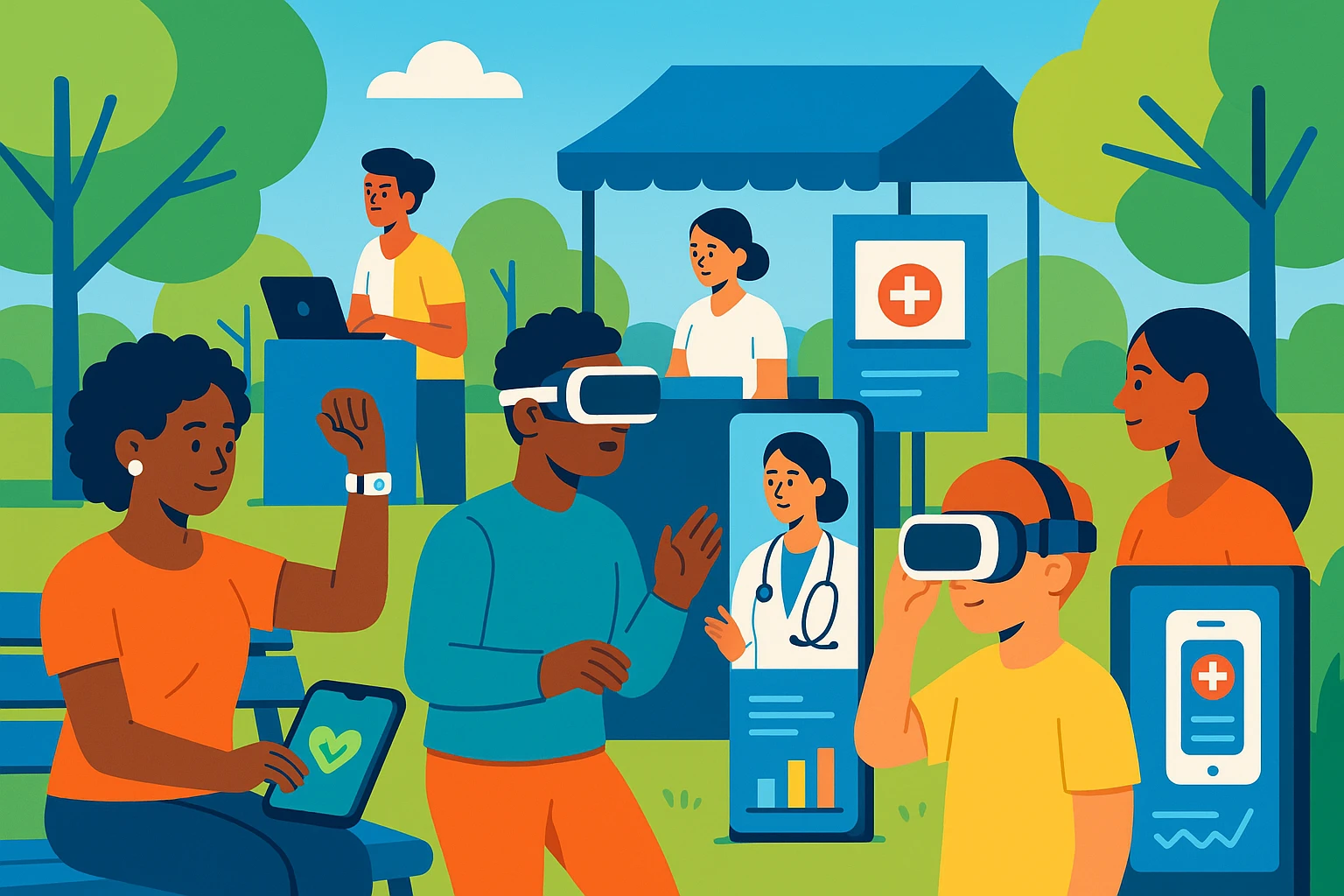
The landscape of healthcare is evolving with the rise of online doctor help, which is reshaping how patients access medical services. A key advantage is the improved accessibility it offers, breaking down geographical barriers and significantly aiding those in remote or rural areas. For instance, individuals who previously had to travel long distances for consultations can now connect with healthcare providers from the comfort of their homes, thereby reducing travel expenses and time away from work.
Moreover, this approach facilitates timely interventions in cases where immediate medical attention can make a significant difference. A 2020 study highlighted that patients using telemedicine platforms experienced reduced wait times and shorter hospital stays according to Nature. This is particularly beneficial for patients with chronic conditions who require regular monitoring and quick adjustments to their treatment plans.
Real-World Applications and Success Stories
Several healthcare providers have successfully integrated online consultations into their systems, resulting in noticeable improvements in patient satisfaction and care outcomes. A great example is the use of online platforms for mental health services, where providers deliver therapy sessions via video calls. This not only offers privacy and convenience but also encourages more people to seek help who might otherwise avoid traditional therapy settings due to stigma or scheduling conflicts.
Platforms like ChatWithDr are playing a pivotal role in connecting patients with certified doctors. By leveraging such services, individuals can access a vast network of specialists, making personalized healthcare more attainable and efficient. This is particularly beneficial for expatriates and long-term travelers who might face difficulties in accessing local healthcare systems.
The Role of Technology in Improving Outcomes
The incorporation of advanced technologies like AI in telemedicine is transforming diagnosis and treatment processes. For example, AI-driven tools can analyze patient data to suggest potential diagnoses and treatment plans, enhancing doctor-patient interactions. According to a report by McKinsey & Company, such applications can increase diagnostic accuracy and efficiency, ultimately leading to better healthcare outcomes.
By utilizing these technological advancements, healthcare providers can ensure more precise and personalized care. This innovation is indicative of a broader trend where digital solutions empower both medical professionals and patients, fostering an ecosystem where online doctor help is an integral part of healthcare delivery.
Delivering Better Outcomes and Patient Satisfaction Through Remote Care
Building on the integration of digital health tools, it’s important to understand how remote care models are impacting patient outcomes and satisfaction. Real-world examples highlight both the promise and the challenges that come with online doctor help.
Improving Chronic Disease Management in Underserved Areas
Recognizing the barriers faced in rural settings, one rural California initiative combined remote patient monitoring—using wearable blood pressure and glucose devices—with digital care coordination and health coaching. Over six months, participants with hypertension saw an average systolic blood pressure reduction of 20.24 mmHg, while individuals with diabetes achieved an average decrease of 3.85 points in glucose levels. These results underscore how targeted remote interventions can lead to measurable improvements in chronic disease outcomes among communities often left behind by traditional care models source.
Physician Perspectives on Enhanced Access and Treatment Adherence
From the provider standpoint, telemedicine continues to prove its value. A 2024 report found that over 89% of physicians agreed telehealth increased patient access, especially for those with difficulty attending in-person visits. Notably, 78% of surveyed physicians observed either equivalent or improved adherence to treatment plans via telemedicine—an encouraging sign for managing long-term conditions. These findings illustrate how remote care tools not only increase reach but also support patient commitment to care regimens source.
Patient Satisfaction: Strengths and Areas Needing Improvement
Assessing the patient experience reveals a nuanced picture. One systematic review found that telehealth was associated with improved outcomes, better communication, lower costs, and reduced travel time—factors accounting for over 60% of its positive impact on patient satisfaction source.
Meanwhile, a large-scale study comparing telehealth and in-person primary care visits reported that patients rated virtual consultations higher in terms of respect, attentive listening, and clarity of communication. However, they expressed less satisfaction with indirect services, including appointment scheduling and staff coordination, and noted higher delay rates for telehealth visits than for in-person ones source. Addressing these logistical gaps is essential for making remote care experiences smoother and more satisfying.
In integrating these insights, it’s clear that while remote platforms greatly enhance access and can drive better management of chronic health conditions, attention to infrastructure, timely follow-ups, and supportive administrative processes remains critical. This balanced approach ensures that online doctor help delivers both quality care and seamless patient experiences.
Conclusion: Embracing the Future of Healthcare
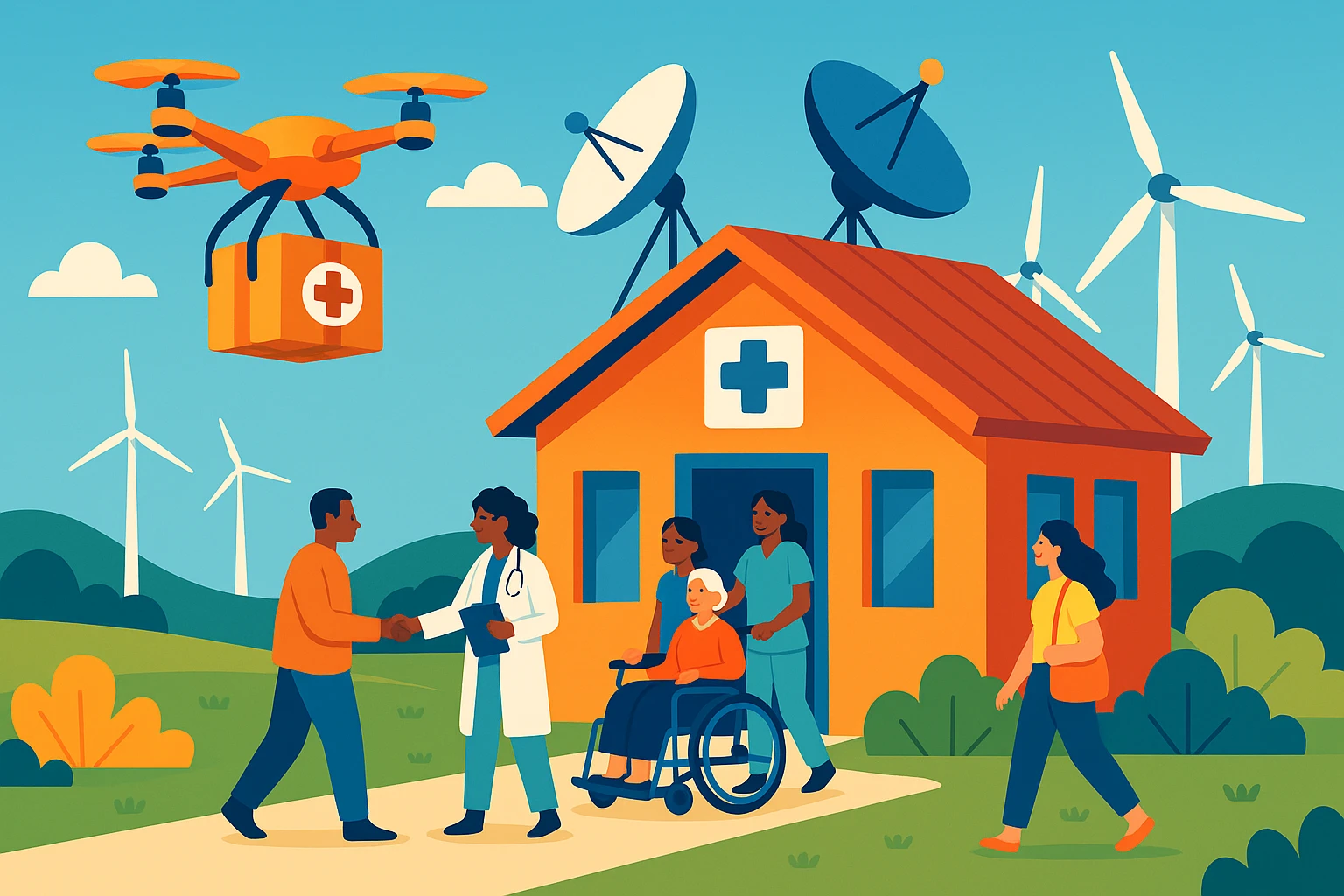
As we move into an era where technology is continuously reshaping our lives, embracing the advantages of online doctor help offers a world of possibilities. From providing access to specialized medical care for remote communities to offering convenient consultations for busy urban residents, online healthcare is transforming how we perceive and receive medical assistance. Understanding these shifts and preparing to adapt is crucial for individuals and healthcare providers alike.
Key Takeaways
Online doctor help provides several benefits that are hard to ignore. Firstly, it offers unparalleled convenience, allowing patients to consult with healthcare providers without the need to travel. Secondly, it democratizes access to healthcare by reaching populations in underserved areas. Finally, it integrates seamlessly with digital lifestyles, making healthcare more adaptable to the demands of modern life.
Actionable Insights
To fully leverage these services, individuals should ensure their internet connectivity and digital literacy are up to standard. Healthcare providers, on the other hand, should invest in secure and user-friendly platforms that protect patient information while delivering quality care. Additionally, staying updated with the latest technologies and trends will be beneficial. Educational resources and training programs can help bridge any knowledge gaps, ensuring everyone can benefit from these advancements.
Next Steps
The journey doesn’t end here. To make the most out of these opportunities, explore platforms like ChatWithDr, which offers comprehensive support and a wide range of services. They can serve as an essential partner in navigating the digital transformation of healthcare, providing both the tools and the expertise needed to enhance your health management strategies.
In conclusion, the world of online healthcare is vast and promising. By staying informed and taking proactive steps, both patients and providers can ensure that they are not only keeping pace with the transformation but also thriving within it. For further insights and to start your journey, consider exploring reliable resources and services that can guide you through this innovative landscape.
Article Generated by Soogle
Related posts:
 The Ultimate Guide to Remote Medical Support Harnessing the Power of Digital Health Support: A Comprehensive Guide Comprehensive Guide to Remote Health Care Solutions
  The Ultimate Guide to Virtual Doctor Visits: Navigating Your Online Healthcare Journey Digital Doctor Advice: A Comprehensive Guide for Modern Healthcare