

Medically reviewed by ChatWithDr's licensed healthcare professionals
GLP-1 receptor agonists like Wegovy, Ozempic, Zepbound, and Mounjaro have revolutionized medical weight loss. These medications have shown remarkable results, with clinical trials demonstrating average weight loss of 15-20% of body weight. However, many people unknowingly sabotage their success through common but preventable mistakes.
Whether you're considering starting GLP-1 medications or you're already taking them, understanding these critical errors can mean the difference between temporary weight loss and lasting transformation. Let's dive into the seven most common mistakes and, more importantly, how to fix them.
Mistake #1: Not Eating Enough Protein
The Problem:
GLP-1 medications work by suppressing appetite: sometimes too effectively. While feeling less hungry seems like a win, many people inadvertently cut protein intake dramatically. This triggers a dangerous metabolic domino effect: your body begins breaking down muscle tissue for energy instead of burning fat stores.
Clinical research reveals a sobering reality: participants who don't prioritize protein can lose up to 40% of their weight from lean muscle mass rather than fat. When you lose muscle, your basal metabolic rate plummets, making it progressively harder to maintain weight loss and easier to regain pounds once you stop the medication.
The Fix:
Make protein the star of every meal. Aim for at least 0.8-1 gram of protein per pound of your goal body weight daily. Prioritize lean sources like:
- Chicken breast, turkey, and lean beef
- Fish and seafood
- Greek yogurt and cottage cheese
- Eggs and egg whites
- Plant-based options like tofu, tempeh, and legumes
If you're struggling to meet protein targets through whole foods alone, consider a high-quality protein powder. Remember: protein isn't just about preserving muscle: it also keeps you feeling satisfied longer and supports healthy metabolism.

Mistake #2: Skipping Meals Entirely
The Problem:
When GLP-1 medications suppress your appetite, skipping meals feels natural. "If I'm not hungry, why eat?" seems logical. But this approach backfires spectacularly. Extended fasting periods without proper planning lead to:
- Severe nutrient deficiencies
- Gastrointestinal complications
- Muscle breakdown
- Metabolic slowdown
- Energy crashes and brain fog
Your body interprets prolonged meal skipping as starvation, triggering adaptive mechanisms that make future weight loss harder and weight regain more likely.
The Fix:
Structure your day around three balanced meals, even if portions are smaller than before. Set a rule: don't go longer than 4-5 hours without eating something nutritious.
Create a simple meal template:
- Breakfast: Protein source + complex carb + healthy fat
- Lunch: Lean protein + vegetables + whole grain
- Dinner: Protein + colorful vegetables + moderate carbs
Add small, protein-rich snacks between meals if needed. The goal isn't volume: it's consistent nutrient delivery that keeps your metabolism active and muscles protected.
Mistake #3: Missing Doses or Stopping Too Soon
The Problem:
Consistency matters enormously with GLP-1 medications. Some people treat doses casually, skipping injections when they "forget" or when they're traveling. Others view these medications as temporary: a quick fix to drop weight before a special event.
Research shows that participants who stop GLP-1 medications prematurely regain most of their lost weight within 12 months, often exceeding their starting weight. The medication works by altering hunger hormones and insulin response: effects that reverse when you stop treatment.
The Fix:
Set phone reminders for your injection day and time. Treat your GLP-1medication with the same importance as any chronic disease management medication: because obesity is a chronic condition requiring long-term management.
Before starting treatment, discuss realistic timelines with your healthcare provider. Most successful patients use GLP-1 medications for 12-24 months minimum, with many requiring ongoing treatment for sustained results. If cost is a concern, ChatWithDr offers weight loss consultations for a flat rate of $39.99: no account needed, with responses typically within 2 hours.
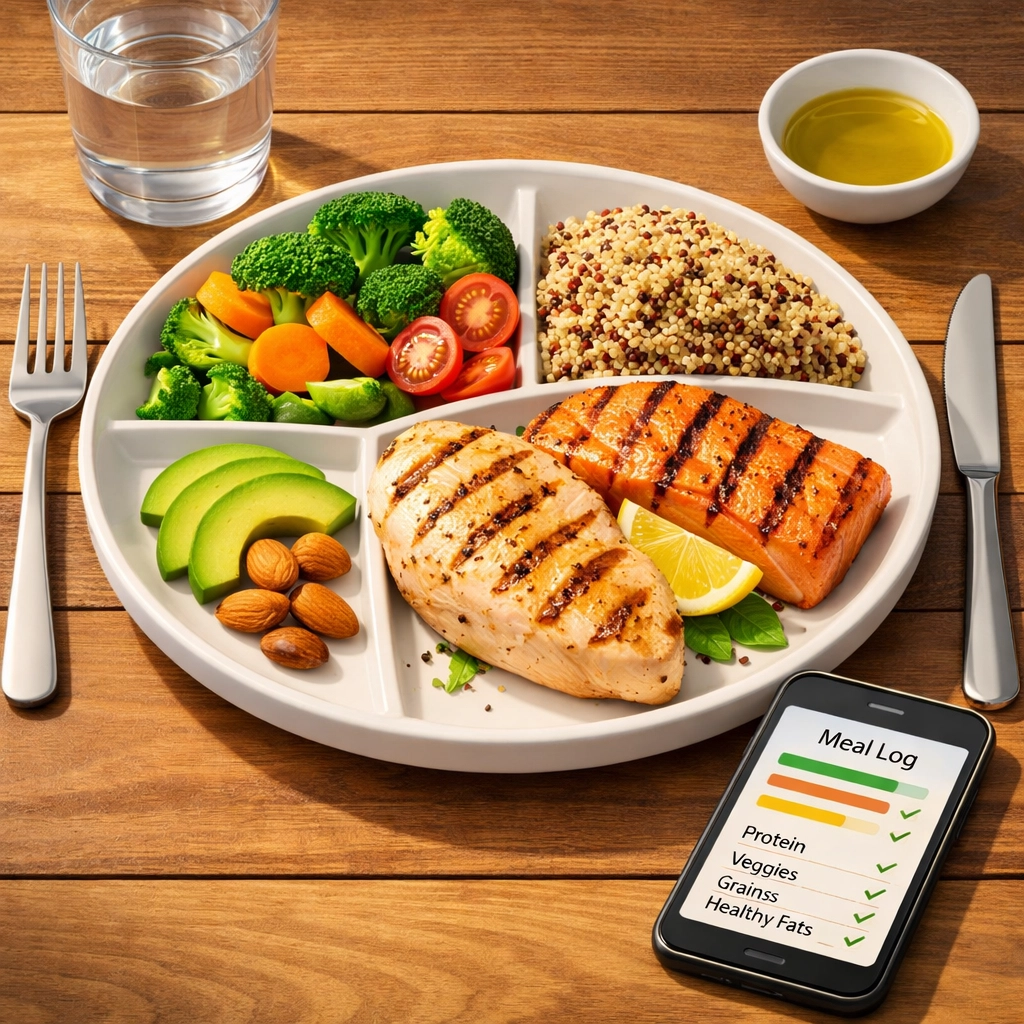
Mistake #4: Ignoring Hydration
The Problem:
GLP-1 medications increase dehydration risk through multiple pathways. The most common side effect: nausea: can make drinking fluids unappealing. Additionally, reduced food intake means less fluid from meals. Some medications also affect kidney function and electrolyte balance.
Dehydration exacerbates side effects like constipation, headaches, fatigue, and dizziness. It also impairs workout performance and recovery, limiting your ability to preserve muscle mass through exercise.
The Fix:
Aim for at least 64 ounces of water daily: more if you're exercising or in hot climates. Strategic hydration tips include:
- Start each morning with 16 ounces of water before anything else
- Keep a marked water bottle to track intake
- Set hourly hydration reminders
- Limit caffeine to moderate amounts (under 400mg daily)
- Include hydrating foods like cucumber, watermelon, and broth-based soups
- Add electrolyte powders if you're experiencing persistent side effects
If plain water doesn't appeal, try herbal tea, sparkling water with lemon, or infused water with fresh fruit and herbs.
Mistake #5: Still Eating Processed Foods
The Problem:
GLP-1 medications reduce appetite, but they don't eliminate poor food choices. Many people continue eating ultra-processed foods: just in smaller quantities: thinking portion control alone solves the problem.
However, processed foods are engineered to be hyper-palatable, triggering cravings even when you're not hungry. They're also nutrient-poor and calorie-dense, making it easy to consume inadequate protein and micronutrients while still eating too many empty calories. This combination undermines weight loss and worsens medication side effects like nausea and gastrointestinal distress.
The Fix:
Use your time on GLP-1 medications as an opportunity to rebuild your relationship with real, whole foods. Focus on:
- Lean proteins: Chicken, fish, lean beef, eggs, Greek yogurt
- Colorful vegetables: Aim for 5+ servings daily across the rainbow
- Healthy fats: Avocado, nuts, olive oil, fatty fish
- High-fiber carbohydrates: Quinoa, oats, sweet potatoes, legumes
When grocery shopping, stick to the store perimeter where whole foods live. If an item has more than five ingredients or includes words you can't pronounce, reconsider. The medication creates a window of reduced cravings: leverage this period to establish sustainable eating patterns that will serve you long after treatment ends.

Mistake #6: Injecting in the Same Spot Repeatedly
The Problem:
Whether you're using Wegovy, Ozempic, Zepbound, or Mounjaro, proper injection technique matters more than most people realize. Repeatedly injecting in the same location causes lipohypertrophy: abnormal fat accumulation and tissue changes at injection sites.
This complication creates hard lumps under the skin, causes pain, and most importantly, impairs medication absorption. When the drug can't absorb properly, you're getting inconsistent dosing, which undermines effectiveness and can lead to unpredictable blood sugar fluctuations.
The Fix:
Master proper injection site rotation. GLP-1 medications can be injected in three areas:
- Abdomen (most common, avoiding 2 inches around the navel)
- Thighs (front and outer areas)
- Upper arms (back area, though harder to self-administer)
Create a rotation schedule. For example, if you inject weekly:
- Week 1: Right abdomen
- Week 2: Left abdomen
- Week 3: Right thigh
- Week 4: Left thigh
Keep a simple log on your phone noting where you injected each week. Within each area, vary the exact spot by at least 1 inch from previous injections. Inspect sites regularly for changes, and if you notice lumps or hardened areas, avoid those locations for several weeks.
Mistake #7: Treating Medication as a Magic Cure
The Problem:
Perhaps the most damaging mistake is viewing GLP-1 medications as a standalone solution that eliminates the need for lifestyle changes. This magical thinking sets people up for disappointment and weight regain.
The medications are powerful tools, but they work best when combined with sustainable lifestyle modifications. Studies demonstrate that participants who maintain exercise routines and healthy eating habits during treatment achieve superior long-term results compared to those relying on medication alone.
When you eventually reduce or discontinue GLP-1 medications, the lifestyle habits you've built determine whether weight stays off or returns.
The Fix:
Reframe your mindset: GLP-1 medications are assistive tools, not complete solutions. They create a favorable environment for change by reducing hunger and cravings, but lasting success requires building sustainable habits:
Exercise consistently: Aim for 150 minutes of moderate activity weekly plus 2-3 strength training sessions. Resistance training is non-negotiable for preserving muscle mass during weight loss.
Develop meal planning skills: Learn to prepare simple, nutritious meals you genuinely enjoy. If cooking feels overwhelming, text with a healthcare provider through ChatWithDr to discuss practical nutrition strategies tailored to your lifestyle.
Address emotional eating: Work with a therapist or counselor to develop healthy coping mechanisms for stress, boredom, and difficult emotions that don't involve food.
Track progress beyond the scale: Monitor energy levels, clothing fit, strength gains, and health markers like blood pressure and cholesterol.
Build a support system: Whether it's friends, family, online communities, or healthcare professionals, consistent support predicts long-term success.
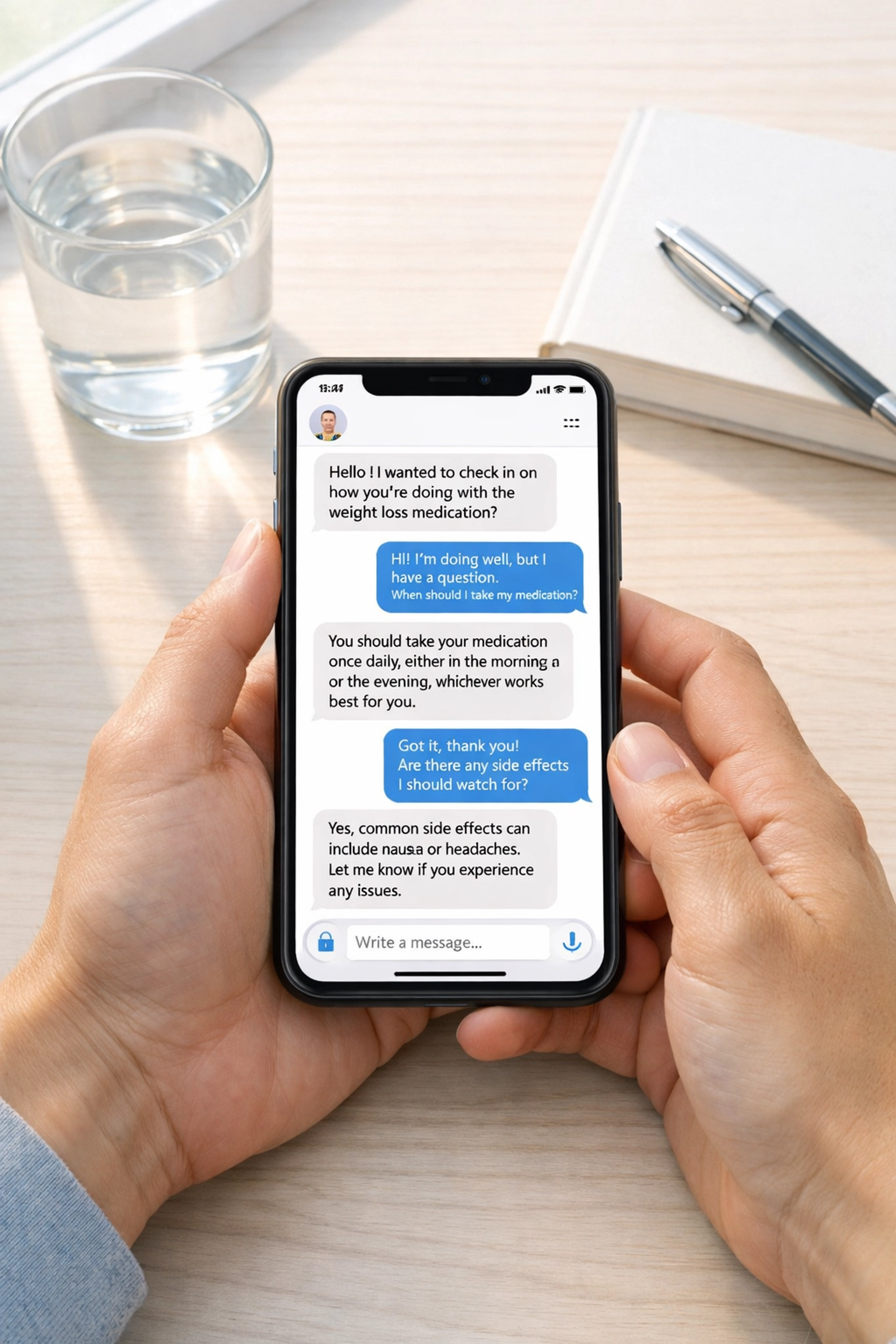
Getting Professional Support for Your GLP-1 Journey
Starting or optimizing GLP-1 medication treatment doesn't require complicated processes or long waits. Through ChatWithDr's secure medical messaging platform, you can text with licensed healthcare professionals about weight loss medications for just $39.99: no account required, with typical response times under 2 hours.
Whether you need prescription management, side effect guidance, or answers about proper medication use, accessible professional support helps you avoid these common mistakes and maximize your investment in your health.
The Bottom Line
GLP-1 medications like Wegovy, Ozempic, Zepbound, and Mounjaro offer unprecedented weight loss results when used correctly. Avoiding these seven common mistakes: inadequate protein, meal skipping, inconsistent dosing, dehydration, processed foods, poor injection technique, and overreliance on medication alone: dramatically improves your chances of long-term success.
Remember that sustainable weight loss isn't about perfection. It's about consistent, informed choices that support both immediate results and lasting transformation. With the right approach and professional guidance, GLP-1 medications can be the catalyst for the healthier future you deserve.
Need personalized guidance for your weight loss journey? Book a consultation with ChatWithDr today and get expert medical advice through secure text messaging: fast, affordable, and professional support whenever you need it.
Related posts:
 7 Mistakes You're Making with GLP-1 Weight Loss Meds (and How to Fix Them)
  7 Mistakes You're Making with GLP-1 Weight Loss (And How to Fix Them)
  GLP-1 Weight Loss Success: 7 Mistakes You’re Making (And How to Fix Them for Long-Term Results)
  7 Mistakes You’re Making with GLP-1 Weight Loss Medications (and How to Fix Them)
  7 Mistakes You’re Making with Weight Loss Prescriptions (and How to Save Money)