
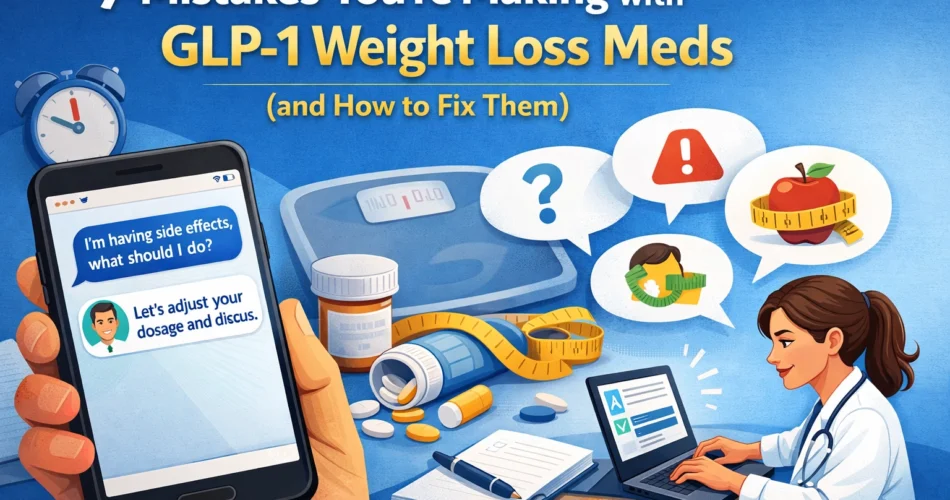
GLP-1 medications like Wegovy and Zepbound have transformed weight loss treatment, offering real results for people who've struggled with traditional diet and exercise alone. But here's the thing: having access to these powerful medications doesn't automatically guarantee success.
Many people start their GLP-1 journey with high hopes, only to plateau, experience frustrating side effects, or regain weight after stopping. The problem? They're making avoidable mistakes that undermine their results.
If you're currently using Wegovy, Zepbound, or considering a wegovy online consultation or zepbound online consultation, understanding these seven critical mistakes: and how to fix them: can make the difference between temporary weight loss and lasting transformation.
Mistake #1: Not Eating Enough Protein
This is perhaps the most damaging mistake people make with GLP-1 medications. These drugs work incredibly well at suppressing appetite, which sounds great until you realize you're barely eating 800-1000 calories daily: and most of those calories aren't protein.
When you drastically cut calories without adequate protein intake, your body doesn't just burn fat. It also breaks down muscle tissue for energy. Research shows that inadequate protein during weight loss can lead to significant lean muscle mass loss, which slows your metabolism and makes it harder to maintain your weight loss long-term.
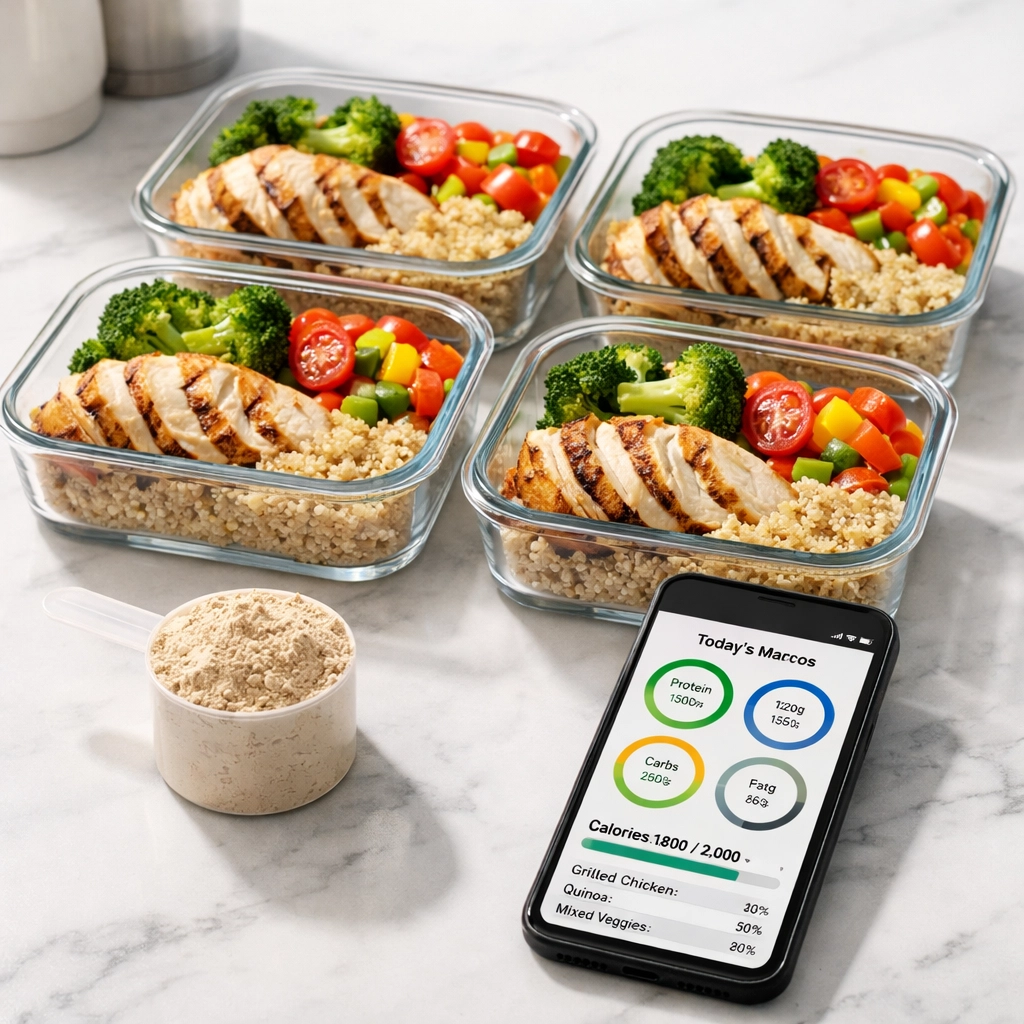
The Fix: Make protein the star of every single meal and snack. Aim for at least 0.7-1 gram of protein per pound of your goal body weight. Focus on high-quality sources:
- Greek yogurt and cottage cheese
- Eggs and egg whites
- Chicken, turkey, and lean beef
- Fish and seafood
- Legumes and beans
- Protein shakes (when whole foods feel like too much)
If you're struggling to hit your protein goals while on GLP-1 medication, consider splitting your protein intake across smaller, more frequent portions throughout the day. Even 20-30 grams per meal adds up and helps preserve your muscle mass while you lose fat.
Mistake #2: Skipping Strength Training
Weight loss without exercise equals both fat and muscle loss. When you're on GLP-1 medications, this risk increases because the appetite suppression can put you in an aggressive calorie deficit without you even trying.
Here's why this matters: muscle tissue burns more calories at rest than fat tissue. When you lose muscle, you're essentially slowing down your metabolism, making it easier to regain weight once you stop the medication.
The Fix: Start a resistance training routine: even if you've never lifted weights before. You don't need to become a bodybuilder. Start simple:
- Bodyweight exercises (squats, push-ups, planks)
- Resistance bands
- Light dumbbells at home
- Two to three 30-minute sessions per week
The goal isn't intensity; it's consistency. Even carrying grocery bags or doing yard work counts when you're starting out. As your strength improves, gradually progress to more challenging exercises. The muscle you build now will help you maintain your weight loss for years to come.
Mistake #3: Treating GLP-1 as a Magic Solution
This is the mindset trap that sabotages long-term success. Many people view Wegovy or Zepbound as a "quick fix" that allows them to continue unhealthy eating habits without consequences.
While these medications are powerful tools, they're not magic. They work by reducing hunger and slowing gastric emptying, but they don't fix the underlying habits that contributed to weight gain in the first place.

The Fix: Reframe your mindset entirely. View GLP-1 medication as a training period: a window of opportunity where reduced hunger makes it easier to build sustainable habits.
Use this time to:
- Learn proper portion control
- Experiment with nutritious, satisfying meals
- Develop a consistent eating schedule
- Build an exercise routine
- Address emotional eating patterns
When you eventually taper off the medication, these habits will be your foundation for maintaining your results. Medical weight loss consultations via telehealth can provide ongoing support as you develop these long-term strategies.
Mistake #4: Missing Doses or Stopping Abruptly
Consistency is everything with GLP-1 medications. These drugs need to maintain steady levels in your system to work effectively. Missing doses reduces their effectiveness, and stopping abruptly almost always leads to rapid weight regain.
Clinical data shows that most people regain a significant portion of their lost weight within a year of discontinuing GLP-1 treatment without a proper transition plan.
The Fix: Set up systems to ensure you never miss a dose:
- Set weekly reminders on your phone
- Keep your medication in a visible spot
- Use a medication tracking app
- Consider automatic prescription refills through weight loss telehealth services
If you need to stop the medication for any reason, work with your healthcare provider on a gradual taper schedule rather than quitting cold turkey. This gives you time to adjust your habits and metabolism to maintain your results without pharmaceutical support.
If managing refills is challenging, platforms like ChatWithDr offer convenient text-based consultations for prescription management, making it easier to stay consistent with your treatment.
Mistake #5: Not Staying Hydrated
GLP-1 medications slow down digestion, which can lead to gastrointestinal side effects like nausea and constipation. Dehydration makes these side effects significantly worse and can also be mistaken for hunger, leading to unnecessary eating.
Many people on these medications simply forget to drink water because their thirst signals, like their hunger signals, are dampened.
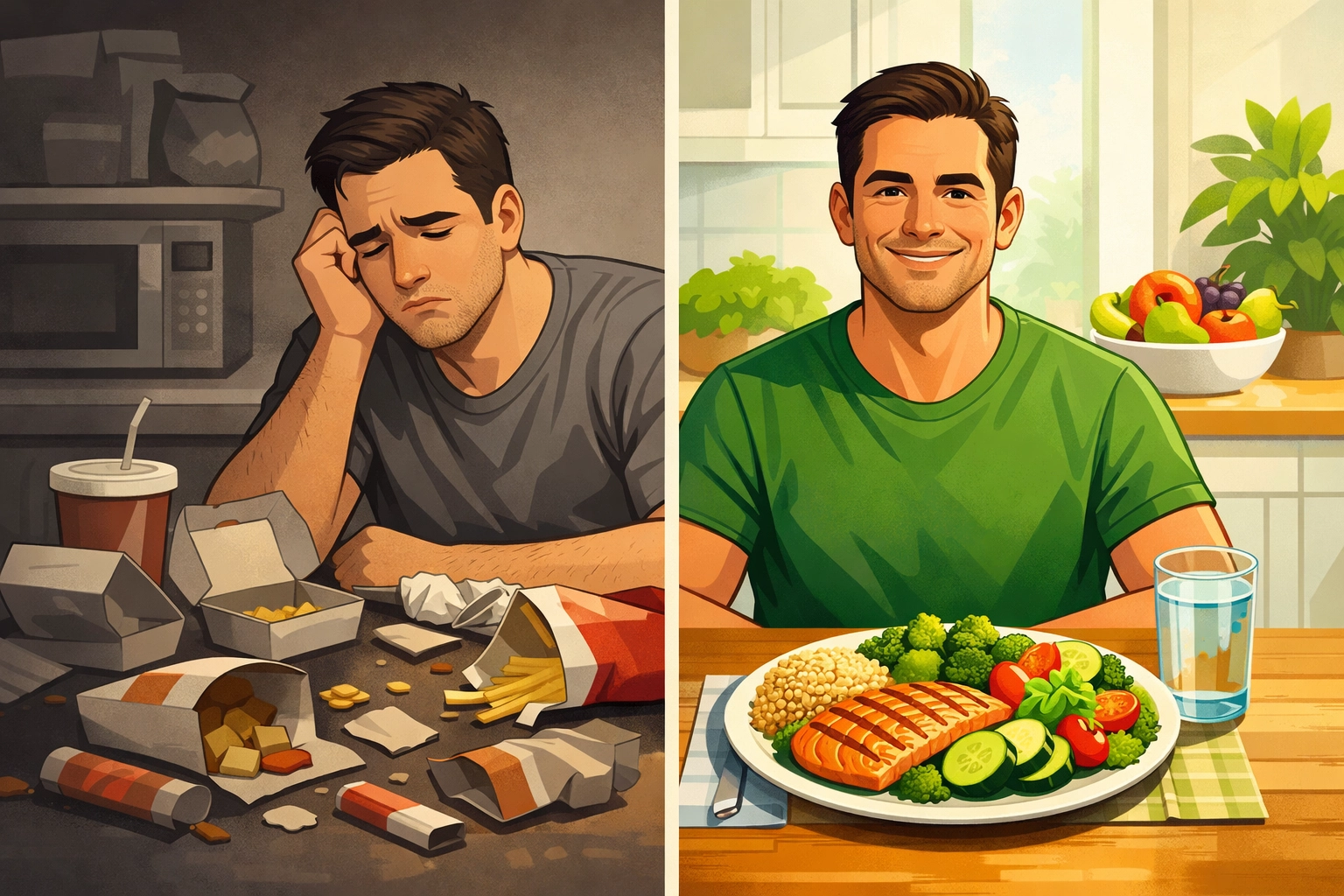
The Fix: Make hydration non-negotiable:
- Aim for at least 64 ounces of water daily (more if you exercise)
- Carry a reusable water bottle everywhere
- Set hourly reminders to take a few sips
- Start each meal with a glass of water
- Limit caffeine, which can contribute to dehydration
- Add electrolytes if you're experiencing persistent fatigue
Proper hydration also helps with the common side effect of constipation. Combined with adequate fiber intake, water keeps your digestive system moving smoothly despite the medication's slowing effects.
Mistake #6: Eating Ultra-Processed Foods
Just because you're eating less doesn't mean food quality doesn't matter. In fact, it matters more than ever when you're on a calorie deficit. Ultra-processed foods trigger insulin spikes, promote inflammation, and provide minimal nutrition: all of which work against your weight loss goals.
When your appetite is suppressed, there's a temptation to "spend" your limited calories on whatever sounds good in the moment. Unfortunately, processed foods high in sugar and refined carbs can actually worsen GLP-1 side effects and slow your progress.
The Fix: Focus on nutrient-dense whole foods:
- Lean proteins (discussed above)
- Non-starchy vegetables (unlimited quantities)
- Healthy fats (avocado, nuts, olive oil)
- Complex carbohydrates (sweet potatoes, quinoa, oats)
- Fresh fruits in moderation
A simple rule of thumb: if a food product has a TV commercial, you probably don't need it. Stick to foods that come from the ground or had a mother. Your limited appetite is precious: use it for foods that nourish your body and support your goals.
Mistake #7: Skipping Meals or Eating Inconsistently
When you're not hungry, it's easy to skip meals entirely. Many people on GLP-1 medications go 6-8 hours without eating, thinking they're maximizing weight loss. This approach backfires in multiple ways.
Skipping meals leads to nutritional deficiencies, energy crashes, and paradoxically, can increase nausea and trigger rebound hunger later in the day. It also disrupts your blood sugar levels and makes it harder to get adequate protein.
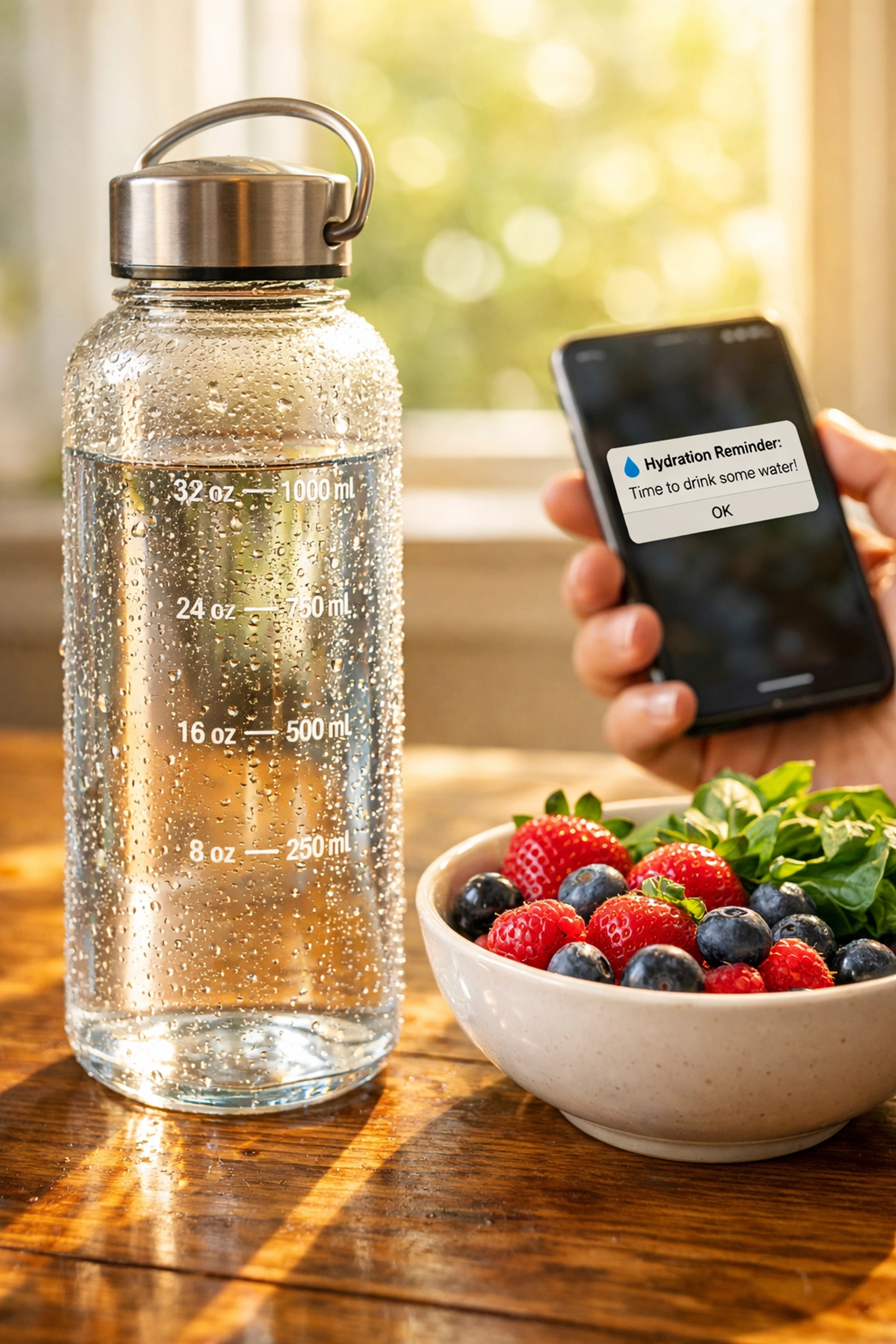
The Fix: Maintain a structured eating schedule regardless of hunger signals:
- Eat three balanced meals daily
- Add small snacks if meals are more than 4 hours apart
- Don't go longer than 4-5 hours without eating during waking hours
- Plan meals in advance to ensure balanced nutrition
- Set meal time reminders if needed
Think of your meal schedule as medicine itself. Even if portions are smaller than before starting GLP-1 medication, consistent meal timing helps your body function optimally and prevents the metabolic slowdown that comes with erratic eating patterns.
Making GLP-1 Work for You Long-Term
The common thread in all these mistakes? Treating GLP-1 medication as a standalone solution instead of one component of a comprehensive approach to health.
Success with Wegovy, Zepbound, or any GLP-1 medication requires combining pharmaceutical support with lifestyle fundamentals: adequate protein, consistent strength training, proper hydration, whole food nutrition, and structured eating patterns.
If you're considering starting GLP-1 treatment or need ongoing support with your current regimen, weight loss telehealth consultations make it easier than ever to get medical guidance via secure text messaging. No waiting rooms, no lengthy phone calls: just straightforward access to licensed physicians who can help you navigate your treatment safely and effectively.
The bottom line? GLP-1 medications are powerful tools, but like any tool, their effectiveness depends on how you use them. Avoid these seven mistakes, implement the fixes, and you'll set yourself up for not just weight loss: but sustainable, long-term results that last well beyond your time on medication.
Disclaimer: This information is not a substitute for professional medical advice, diagnosis, or treatment. Always seek the advice of your physician or qualified health provider with questions regarding medical conditions or treatments.
Related posts:
 7 Mistakes You're Making with GLP-1 Weight Loss Medications (And How to Fix Them for Long-Term Success)
  7 Mistakes You're Making with GLP-1 Weight Loss (And How to Fix Them)
  7 Mistakes You’re Making with GLP-1 Weight Loss Medications (and How to Fix Them)
  GLP-1 Weight Loss Success: 7 Mistakes You’re Making (And How to Fix Them for Long-Term Results)
  7 Mistakes You’re Making with Weight Loss Prescriptions (and How to Save Money)