
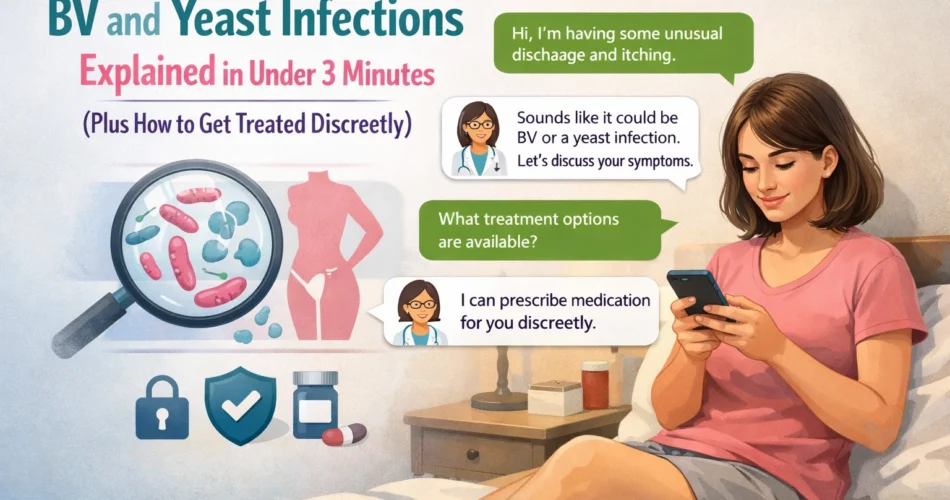
If you've ever experienced unusual vaginal discharge, itching, or discomfort, you're not alone. Bacterial vaginosis (BV) and yeast infections are two of the most common vaginal health issues women face, affecting millions of women annually. Yet despite how widespread these conditions are, many people confuse them: and that confusion can lead to improper treatment and prolonged discomfort.
The good news? Once you understand the key differences between BV and yeast infections, getting the right treatment becomes straightforward. And with modern telehealth options, you can now access professional medical care discreetly from your own home without awkward pharmacy visits or long wait times.
What Is Bacterial Vaginosis (BV)?
Bacterial vaginosis occurs when there's an imbalance in the natural bacteria living in your vagina. Normally, "good" bacteria (primarily Lactobacillus) keep the vaginal environment healthy by maintaining proper pH levels. When harmful bacteria overgrow and outnumber the beneficial ones, BV develops.
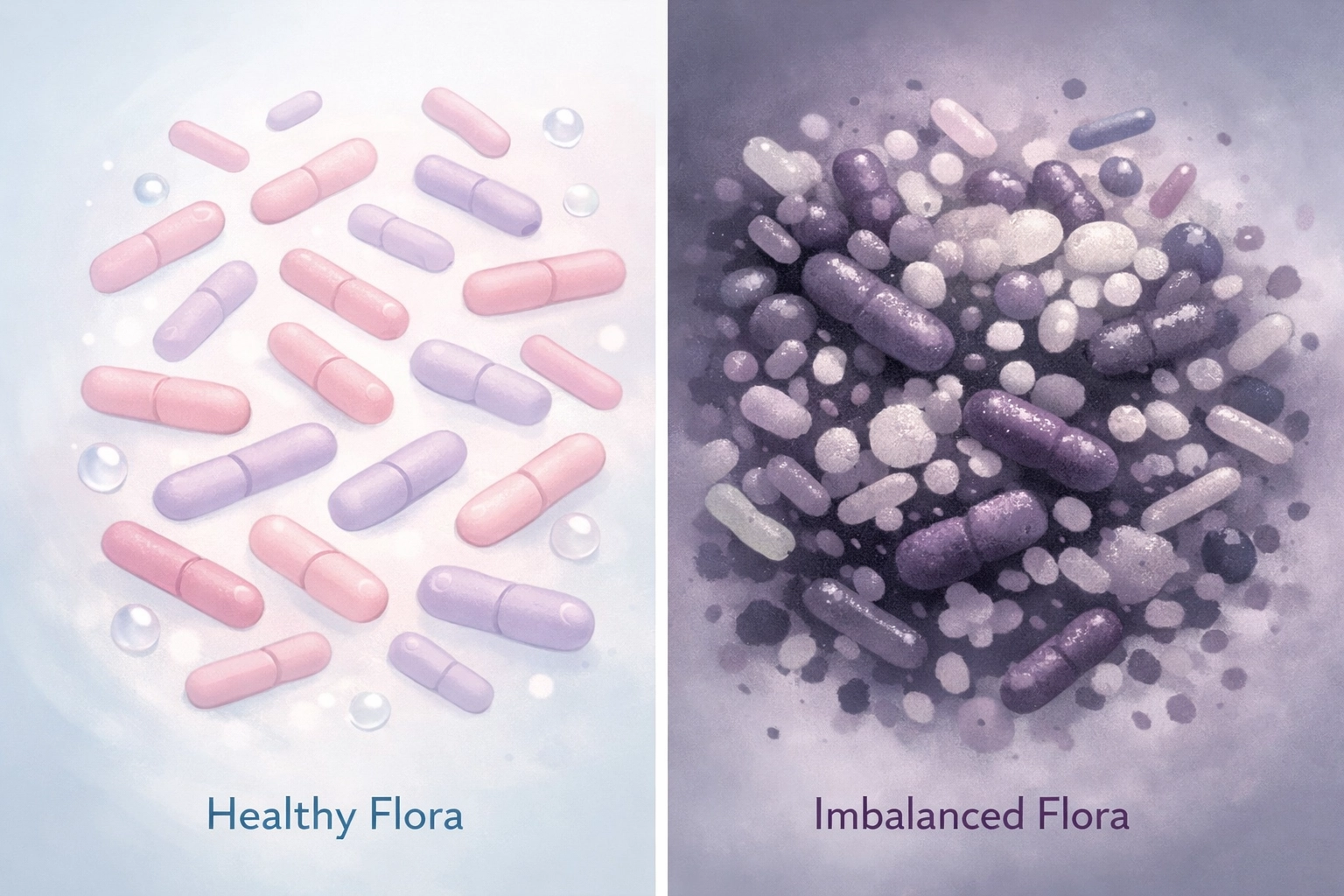
BV isn't technically an infection in the traditional sense: it's a disruption of your vaginal microbiome. It's also not classified as a sexually transmitted infection, though sexual activity can increase your risk. According to the National Institutes of Health, BV is the most common vaginal condition in women ages 15 to 44.
Common BV triggers include:
- Unprotected sexual intercourse
- Having multiple or new sexual partners
- Douching (which disrupts natural bacteria)
- Using scented feminine products
- Smoking
- Natural hormonal changes during menstruation
What Is a Yeast Infection?
A yeast infection, clinically known as vaginal candidiasis, is caused by an overgrowth of a fungus called Candida. Small amounts of Candida naturally exist in the vagina, but when conditions allow it to multiply excessively, it causes uncomfortable symptoms.
Unlike BV, yeast infections are fungal rather than bacterial. They're incredibly common: approximately 75% of women will experience at least one yeast infection in their lifetime, and many will have recurrent episodes.
Yeast infection triggers include:
- Antibiotic use (which kills beneficial bacteria that keep yeast in check)
- Pregnancy and hormonal changes
- Uncontrolled diabetes or elevated blood sugar
- Weakened immune system
- Tight, non-breathable clothing
- Stress and lack of sleep
The Key Differences: BV vs Yeast Infections
While both conditions affect vaginal health, they're distinctly different in cause, symptoms, and treatment. Here's a quick comparison:
| Feature | Bacterial Vaginosis (BV) | Yeast Infection |
|---|---|---|
| Cause | Bacterial overgrowth | Fungal (Candida) overgrowth |
| Discharge Color | Gray or white | White |
| Discharge Texture | Thin, watery | Thick, clumpy (cottage cheese-like) |
| Odor | Strong fishy smell (worse after sex) | Typically odorless |
| Itching | Mild to moderate | Intense itching |
| Burning | May occur with urination | Common during urination and sex |
| Vaginal Redness/Swelling | Usually absent | Frequently present |
| Treatment | Antibiotics (oral or topical) | Antifungal medication |
The discharge and odor are usually the most telling differences. That distinctive fishy odor associated with BV (which often intensifies after sexual intercourse) is rarely present with yeast infections. Meanwhile, the thick, cottage cheese-like discharge characteristic of yeast infections looks quite different from the thin, grayish discharge of BV.

Why Self-Diagnosis Can Be Problematic
Many women attempt to self-diagnose and treat these conditions with over-the-counter yeast infection medications. However, research shows that only about one-third of women who self-diagnose yeast infections actually have one.
Using the wrong treatment can:
- Delay proper care and prolong symptoms
- Allow the actual condition to worsen
- Lead to recurrent infections
- Contribute to antibiotic or antifungal resistance
- Mask symptoms of more serious conditions
If you've never had a diagnosed yeast infection before, or if your symptoms don't completely match previous experiences, getting a professional evaluation is crucial. This is especially important because other conditions: including sexually transmitted infections, allergic reactions, and skin conditions: can produce similar symptoms.
When Hormones Play a Role
Hormonal fluctuations significantly impact vaginal health. Birth control pills, pregnancy, and your menstrual cycle all influence the vaginal environment's pH and bacterial balance. Women taking hormonal birth control may experience more frequent yeast infections due to elevated estrogen levels, which can promote yeast growth.
If you're experiencing recurrent vaginal infections and use hormonal contraception, discussing alternative birth control options with a healthcare provider might be worthwhile. For convenient access to birth control prescription online consultations, modern telehealth platforms make it easy to explore your options from home.
Getting Treated Discreetly Online
One of the biggest barriers to treatment is simply the discomfort of discussing intimate health concerns. Many women delay seeking care because they feel embarrassed or don't have time for an in-person appointment.

Online medical consultations have revolutionized treatment access for conditions like BV and yeast infections. Through secure text-based platforms, you can:
- Describe your symptoms privately to licensed healthcare providers
- Receive a proper diagnosis based on your symptom description and medical history
- Get a prescription sent directly to your preferred pharmacy
- Access care 24/7 without scheduling appointments or waiting rooms
Text-based telehealth services like ChatWithDr offer particularly discreet care. You can chat with doctors at your convenience, ask follow-up questions, and receive personalized treatment recommendations: all through secure medical messaging on your phone or computer.
Treatment Options Explained
For Bacterial Vaginosis:
BV requires prescription antibiotics, typically metronidazole or clindamycin, available as oral tablets, topical gels, or vaginal creams. Treatment usually lasts 5-7 days. It's essential to complete the full course even if symptoms improve earlier.
For Yeast Infections:
Yeast infections respond to antifungal medications like fluconazole (oral) or topical treatments containing miconazole or clotrimazole. While some antifungals are available over-the-counter, getting yeast infection treatment online through a healthcare provider ensures you're treating the right condition.
Many women with UTI symptoms also worry about yeast infections, since antibiotics used for UTI treatment can trigger yeast overgrowth. If you're being treated for a UTI, mention this concern to your provider: they may prescribe a preventive antifungal dose.

Prevention Strategies That Actually Work
While you can't prevent these conditions entirely, certain habits reduce your risk:
For Both BV and Yeast Infections:
- Wear breathable cotton underwear
- Avoid douching and scented feminine products
- Change out of wet swimsuits and workout clothes promptly
- Practice good bathroom hygiene (wipe front to back)
- Maintain a healthy diet and manage stress
Specifically for BV:
- Use condoms during sexual activity
- Limit the number of sexual partners
- Avoid smoking
Specifically for Yeast Infections:
- Take probiotics, especially when on antibiotics
- Keep blood sugar controlled if diabetic
- Avoid unnecessary antibiotic use
- Consider reducing sugar intake
When to Seek Medical Care
Consult a healthcare provider if you experience:
- Vaginal symptoms for the first time
- Symptoms that don't improve with over-the-counter treatment
- Recurrent infections (four or more per year)
- Unusual discharge color (green, yellow, or bloody)
- Severe pain or fever
- Symptoms during pregnancy
For recurrent infections, online doctor consultations make it easy to get ongoing care without repeated in-person visits. A provider can help identify underlying causes and develop a long-term management plan.
The Bottom Line
BV and yeast infections may share some similar symptoms, but they're fundamentally different conditions requiring different treatments. BV stems from bacterial imbalance and produces thin, fishy-smelling discharge, while yeast infections result from fungal overgrowth and create thick, cottage cheese-like discharge with intense itching.
Getting an accurate diagnosis is the first step toward effective treatment. Thanks to modern telehealth services, you no longer need to delay care due to embarrassment or scheduling challenges. Secure, text-based medical consultations provide discreet access to licensed providers who can diagnose your condition and prescribe appropriate treatment: all from the privacy of your home.
Remember, addressing vaginal health concerns promptly not only relieves uncomfortable symptoms but also prevents complications and helps you maintain overall wellness.
Disclaimer: This information is not a substitute for professional medical advice, diagnosis, or treatment. Always seek the advice of your physician or qualified health provider with questions regarding medical conditions or treatments.
Related posts:
 Yeast Infection vs BV: How to Tell the Difference
  Yeast Infection Symptoms in Women: How to Spot Signs and Find Relief
  Why Does My Discharge Smell Sour? A Guide to Causes and Care
  Understanding yeast infection after antibiotics treatment: Quick remedies
  How to Prevent Recurring Yeast Infections for Good