
It's 11 PM on a Tuesday. You have a burning sensation when you urinate, but your doctor's office won't open for another 10 hours. The urgent care clinic down the street has a two-hour wait. You need help now: not tomorrow morning.
This scenario plays out thousands of times every day. According to recent CDC data, nearly 229.5 million urgent care visits occur annually in the United States. Many of these conditions don't require an in-person examination, yet patients still face long waits, expensive co-pays, and the hassle of leaving home when they feel terrible.
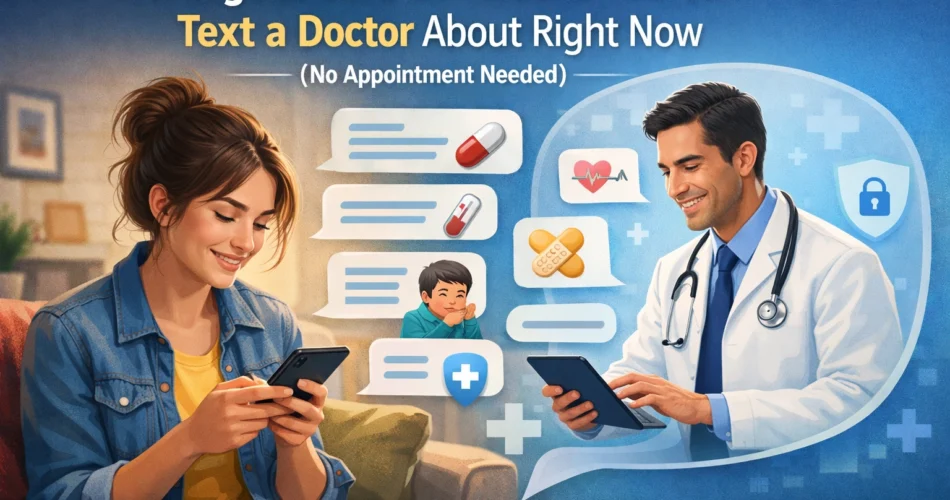
Text-based urgent care changes this equation completely. Instead of waiting in a crowded clinic while contagious, you can securely message a licensed physician from your phone and receive a diagnosis and treatment plan: often with a prescription: within two hours.
Why Text-Based Medical Care Works for Urgent Conditions
Online urgent care has evolved significantly since the early days of telehealth. While many platforms still rely on scheduled video appointments, text-based medical messaging offers distinct advantages for common urgent conditions.
Licensed physicians can accurately diagnose and treat many conditions based on your symptom description, medical history, and a few targeted questions. This approach eliminates the need to find a quiet video space, worry about your appearance when you're sick, or coordinate schedules. You simply describe your symptoms through secure messaging and receive professional medical guidance.
The model works particularly well for straightforward bacterial infections and acute conditions with clear symptom profiles. Research published in the Journal of Medical Internet Research shows that text-based consultations maintain high diagnostic accuracy for many urgent care scenarios while significantly reducing patient wait times.
1. Urinary Tract Infections (UTIs)
UTIs rank among the most common bacterial infections, affecting millions of people annually: particularly women. The symptoms are unmistakable: burning during urination, frequent urge to urinate, cloudy or strong-smelling urine, and pelvic discomfort.
The frustrating part? You know exactly what's wrong, but you still need a prescription for antibiotics. UTI treatment online through text-based platforms eliminates the unnecessary clinic visit. A physician can review your symptoms, confirm the diagnosis based on your description, and prescribe appropriate antibiotics: all without requiring a urine test for straightforward, uncomplicated UTIs in otherwise healthy patients.
This approach aligns with current clinical guidelines that allow empirical treatment for women with classic UTI symptoms who have no complicating factors. You get the medication you need within hours, not days.
2. Sinus Infections (Sinusitis)
That pressure behind your face. The thick, discolored nasal discharge. The headache that won't quit. Sinus infections make you miserable, and they often develop from what started as a simple cold.
While many sinus infections are viral and resolve on their own, bacterial sinusitis requires antibiotics. The CDC indicates that approximately 28.9 million adults are diagnosed with sinusitis annually, making it one of the most common conditions in primary care.
A physician can distinguish between viral and bacterial sinusitis through text-based consultation by asking about symptom duration, discharge color, facial pain severity, and fever presence. For bacterial infections, they can prescribe sinus infection antibiotics online, getting you on the path to recovery without the hassle of scheduling an appointment.

3. Strep Throat
Strep throat strikes suddenly with severe throat pain, difficulty swallowing, and often fever. Unlike viral sore throats, strep requires antibiotic treatment to prevent complications and reduce contagion.
While traditionally diagnosed with a rapid strep test, physicians can assess the likelihood of streptococcal pharyngitis using the Centor criteria: a clinical scoring system based on symptoms like fever, swollen lymph nodes, absence of cough, and tonsillar exudates. When symptoms strongly suggest strep, empirical antibiotic treatment is clinically appropriate.
Through strep throat treatment online, you can text a doctor about your symptoms and receive antibiotics if indicated. This approach gets you treated quickly, which matters because starting antibiotics within the first 48 hours significantly reduces the contagious period and symptom severity.
4. Pink Eye (Conjunctivitis)
Waking up with crusty, matted eyelashes and a red, irritated eye is never pleasant. Pink eye spreads easily in households and workplaces, making quick treatment essential.
The three main types: bacterial, viral, and allergic: present with different characteristics. Bacterial conjunctivitis typically causes thick, yellow or green discharge and responds to antibiotic eye drops. A licensed physician can evaluate your symptoms through detailed questions about discharge color, eye pain, vision changes, and light sensitivity.
For cases that clearly present as bacterial pink eye based on symptom description, doctors can prescribe antibiotic drops through secure messaging. This immediate access prevents unnecessary spread and gets you feeling better faster: without exposing others in a waiting room.
5. Cold, Flu, and COVID-19
Upper respiratory infections dominate urgent care visits, especially during fall and winter months. While most colds don't require prescription treatment, certain cases benefit from antiviral medications or symptom management prescriptions.
For influenza, antiviral medications like oseltamivir (Tamiflu) work best when started within 48 hours of symptom onset. Similarly, COVID-19 antiviral treatments are time-sensitive. Text-based consultations allow rapid assessment and prescription when appropriate.
Physicians can evaluate your cold, flu, or COVID symptoms remotely, determine if testing or antiviral treatment is warranted, and prescribe medications for symptom relief like severe cough, congestion, or fever. They can also provide guidance on when symptoms warrant in-person evaluation.

6. Nausea and Vomiting
Persistent nausea and vomiting can result from various causes: food poisoning, viral gastroenteritis, migraines, or medication side effects. While severe cases with dehydration require emergency care, many situations respond well to anti-nausea medications.
Through text consultation, physicians can assess your symptoms' severity, identify red flags requiring immediate in-person care, and prescribe anti-nausea medications when appropriate. This is particularly valuable for patients who've tried over-the-counter remedies without relief.
Nausea and vomiting treatment through online platforms allows you to receive prescription medications without the ordeal of traveling while feeling sick. Quick treatment helps prevent dehydration and gets you back to normal faster.
7. Migraine Headaches
Migraine sufferers know that when a severe headache hits, every minute counts. The throbbing pain, light sensitivity, and nausea make functioning impossible, yet getting to a doctor's office feels insurmountable.
Text-based urgent care provides an ideal solution for migraine treatment. Physicians can prescribe acute migraine medications, including triptans and anti-nausea medications, based on your symptom description and medical history. For patients with established migraine patterns, this remote access to prescription treatment can be genuinely life-changing.
The key is accurate symptom description. Physicians will ask about pain location, severity, associated symptoms, and whether you've experienced similar headaches before to ensure appropriate treatment and rule out conditions requiring emergency evaluation.
How Text-Based Urgent Care Works
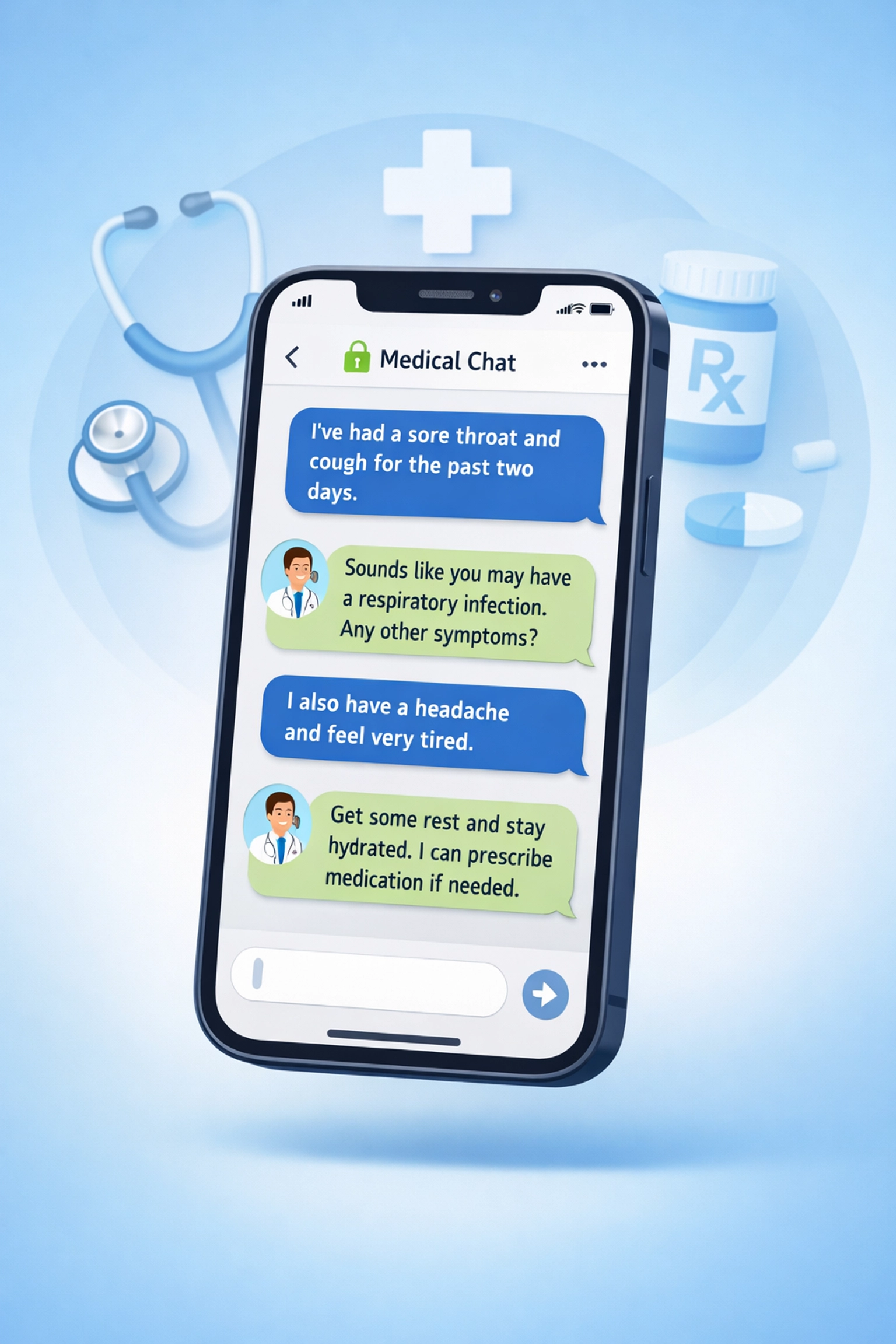
The process is straightforward. When you need medical attention for an urgent condition, you access the platform through your phone or computer. You describe your symptoms through secure messaging, answer clarifying questions from the physician, and receive a diagnosis with treatment plan.
For conditions requiring medication, the physician sends the prescription electronically to your preferred pharmacy. You can typically pick it up within an hour or arrange delivery. The entire process usually takes under two hours from initial message to prescription receipt.
This model works because many urgent care conditions have clear diagnostic criteria that don't require physical examination. Licensed physicians follow evidence-based guidelines to ensure appropriate care while providing unprecedented convenience.
Availability and Pricing That Actually Makes Sense
Traditional urgent care visits average $150-$200 without insurance, not including prescription costs. Many insurance plans have high deductibles that leave patients paying out-of-pocket anyway. Video telehealth visits typically range from $50-$100 per consultation.
ChatWithDr's online urgent care operates on a transparent flat-rate model: $39.99 per consultation, available 24/7 with response times under two hours. No appointment scheduling. No insurance headaches. No surprise bills.
This pricing structure makes sense for both patients and the healthcare system. You get immediate access to licensed physicians without the overhead costs of physical facilities, while physicians can efficiently manage text-based consultations alongside other responsibilities.
The 24/7 availability particularly matters for conditions that don't respect business hours. UTIs, migraines, and sinus infections don't wait for Monday morning, and neither should your access to treatment.
When to Seek In-Person Care
While text-based urgent care handles many conditions effectively, some situations require immediate in-person evaluation. Seek emergency care for:
- Chest pain or difficulty breathing
- Severe abdominal pain
- High fever with confusion or stiff neck
- Vision loss or severe eye pain
- Signs of severe dehydration
- Any symptom you feel is life-threatening
Licensed physicians using text-based platforms are trained to identify red flags requiring emergency intervention. They'll direct you to appropriate in-person care when necessary. The goal is providing the right level of care for each situation: not replacing emergency services.
The Future of Urgent Care Access
Healthcare continues evolving toward convenience and accessibility. Text-based medical consultations represent a significant step forward for treating common urgent conditions. The model combines evidence-based medicine with modern technology to deliver faster, more affordable care.
For straightforward bacterial infections, acute pain conditions, and other urgent medical issues, secure medical messaging provides an efficient alternative to traditional urgent care clinics. You get professional medical attention, appropriate prescriptions, and follow-up guidance: all without leaving home.
The next time you're dealing with a UTI at midnight, a migraine on Sunday morning, or pink eye the day before an important meeting, remember that online urgent care has evolved beyond video calls and scheduled appointments. You can text a doctor right now, no appointment needed, and get the treatment you need within hours.
Disclaimer: This information is not a substitute for professional medical advice, diagnosis, or treatment. Always seek the advice of your physician or qualified health provider with questions regarding medical conditions or treatments.
Related posts:
 Your Guide to Fast Pink Eye Treatment Online
  How to Get Treatment for Pink Eye Online: Fast & Professional Care
  Pink Eye Relief: How to Get Eye Drops Without the Urgent Care Waiting Room
  Pink Eye or Allergies? How to Tell the Difference (And Get Treatment Fast)
  Pink Eye Treatment Online: How to Tell If It's Viral or Bacterial + When You Need Drops