
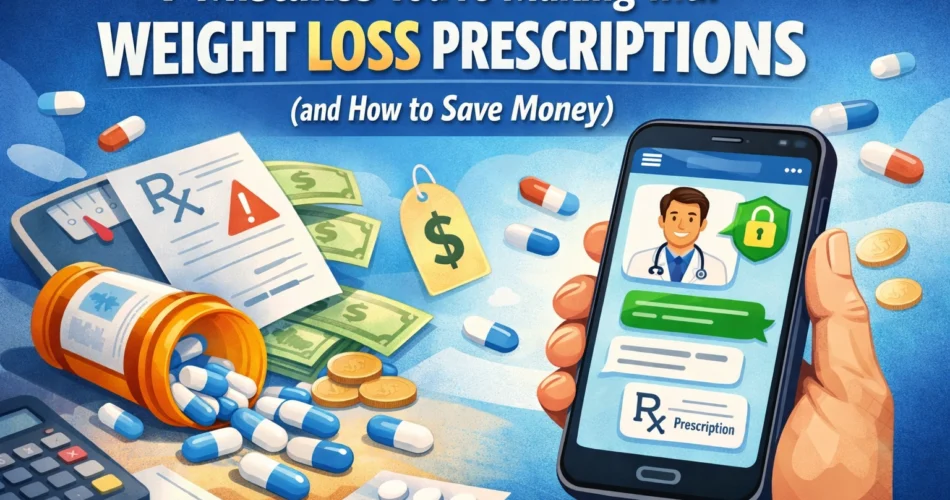
Weight loss medications like semaglutide and tirzepatide have transformed how we approach medical weight management in 2026. But here's the thing: most people are burning through hundreds: sometimes thousands: of dollars because they're making completely avoidable mistakes.
Whether you're already taking GLP-1 medications or considering them, these seven errors could be costing you money, results, or both. Let's fix that.
Mistake #1: Not Eating Enough Protein (And Losing Muscle Instead of Fat)
This sounds backwards, right? You're taking medication that suppresses appetite, so eating less feels like success. But drastic calorie restriction while on weight loss medications backfires spectacularly.
When you don't eat adequate protein: roughly 0.7-1 gram per pound of ideal body weight: your body starts breaking down muscle tissue for fuel. This creates a cascade of problems: fatigue, constant nausea, constipation, intense cravings, and eventually, weight loss plateaus.

The money connection: Muscle loss tanks your metabolism. When you eventually stop the medication (and most people do, given the high costs of long-term use), you'll regain weight faster than ever because your metabolic rate has dropped. That means paying for another round of treatment down the road.
The fix: Structure your meals around lean protein sources every 3-4 hours. Greek yogurt, chicken breast, fish, eggs, and protein shakes should become staples. If you're struggling with appetite, smaller frequent protein-rich meals work better than forcing large portions.
Mistake #2: Treating the Medication as a Magic Cure
Weight loss prescriptions are powerful tools, but they're not standalone solutions. Dismissing the importance of nutrition quality and movement is one of the fastest ways to waste money on these medications.
Research shows that without concurrent behavioral changes, weight regain is almost inevitable when you stop taking the medication. You're essentially renting your weight loss rather than owning it.
The money connection: At $900-$1,300 per month for brand-name GLP-1 medications (even with insurance), you need every dollar to count. Combining medication with lifestyle modifications means better results, lower doses needed, and potentially shorter treatment duration.
The fix: Think of weight loss medication as training wheels. Use this period when your appetite is suppressed to build sustainable habits: food tracking, regular movement, stress management, and adequate sleep. These behaviors will help maintain your results after treatment ends.
Mistake #3: Not Using Your HSA or FSA Funds
Here's money sitting on the table: If you have a Health Savings Account (HSA) or Flexible Spending Account (FSA), weight loss prescriptions prescribed by a licensed physician for obesity or related conditions are often eligible expenses.
Many people simply don't know they can use pre-tax dollars for these medications, effectively giving themselves a 20-30% discount depending on their tax bracket.
The money connection: On a $1,000 monthly medication cost, using HSA/FSA funds could save you $200-$300 per month in taxes. That's $2,400-$3,600 annually.
The fix: Check with your HSA/FSA administrator about coverage for weight loss medications. You'll typically need a Letter of Medical Necessity from your provider documenting that the medication is treating a diagnosed medical condition (obesity with BMI ≥30, or BMI ≥27 with weight-related conditions). Most telehealth platforms, including ChatWithDr, can provide this documentation.
Mistake #4: Paying Full Price for the Initial Consultation
This one's straightforward: Many patients pay $150-$300 for an in-person consultation just to get their initial prescription. Then they're stuck with that provider's pricing and limited appointment availability.

The money connection: Telehealth consultations for weight loss prescriptions cost a fraction of traditional office visits. ChatWithDr offers consultations for just $39.99, with responses typically within hours, not days. That's an immediate $110-$260 savings on your first visit alone.
The fix: Start with a text-based telehealth consultation. You'll chat with licensed doctors who can evaluate whether you're a candidate for weight loss medications, discuss your medical history, and send prescriptions directly to your preferred pharmacy. No commute, no waiting rooms, no inflated office visit fees.
Mistake #5: Not Shopping Around for Pharmacies
Pharmacy pricing for weight loss medications varies wildly: we're talking $400+ differences for the identical medication. Most patients just use whatever pharmacy is closest or what their doctor defaults to.
GoodRx data shows the same prescription can range from $900 at one pharmacy to $1,300 at another within the same ZIP code. Compounded versions of semaglutide (when appropriate) can cost $200-$400 monthly instead of $900+.
The money connection: Five minutes comparing pharmacy prices could save you $400-$600 per month. Over a six-month treatment course, that's $2,400-$3,600 back in your pocket.
The fix: Before filling your prescription, check prices at multiple pharmacies using GoodRx, RxSaver, or similar tools. Ask your telehealth provider about compounded alternatives if brand-name versions are prohibitively expensive. Some online pharmacies offer significantly better pricing than brick-and-mortar locations.
Mistake #6: Advancing Your Dose Too Quickly
Here's where impatience gets expensive: Rushing dose escalation causes severe side effects: nausea, vomiting, dehydration, acid reflux, fatigue: which is the number one reason people quit these medications prematurely.

You've just paid $1,000 for a month's supply, suffered through two weeks of misery, and quit before seeing results. That's $1,000 wasted plus the cost of managing side effects.
The money connection: Slower, gradual dose increases mean better tolerance, fewer side effects, and higher completion rates. You actually use the full prescription you paid for, and you're more likely to achieve your weight loss goals.
The fix: Follow the prescribed titration schedule religiously. If you're experiencing significant side effects, message your provider through ChatWithDr's secure platform rather than just pushing through or quitting. They can adjust your protocol without charging for another full office visit.
Mistake #7: Skipping Follow-Up Care (Then Regaining Everything)
The most expensive mistake isn't what you do during treatment: it's what you don't do after. Data consistently shows that without structured follow-up, accountability, and a maintenance plan, weight regain is highly likely.
Many people spend thousands on medication, lose significant weight, then regain it all within 12-18 months because they had no transition strategy. They end up paying for treatment all over again.
The money connection: The total cost of weight regain and retreatment can easily exceed $15,000-$20,000. Regular check-ins with affordable telehealth providers help you maintain results without the recurring medication costs.
The fix: Before stopping your medication, work with your healthcare provider to develop a maintenance plan. This should include specific behavioral strategies, potential dose tapering, and regular monitoring. With ChatWithDr's text-based platform, you can check in with doctors quickly whenever you need guidance: no expensive office visits required.
The Smart Way to Start Weight Loss Medication
If you're considering weight loss prescriptions, here's the cost-effective approach:
- Start with affordable telehealth: Get your initial consultation and prescription through a platform like ChatWithDr for $39.99 instead of paying $150-$300 for in-person visits
- Shop pharmacies immediately: Compare pricing before filling your first prescription
- Use HSA/FSA funds: Request documentation for medical necessity upfront
- Follow the titration schedule: Don't rush dose increases
- Prioritize protein: Structure meals around 100-120g protein daily
- Build sustainable habits: Use the appetite suppression window to establish long-term behaviors
- Plan your exit strategy: Discuss maintenance before you stop the medication
When to Message Your Doctor
Text-based telehealth makes it incredibly easy to get medical guidance without the hassle and cost of scheduling appointments. Reach out if you experience:
- Severe nausea lasting more than 48 hours after dose increase
- Signs of dehydration (dark urine, dizziness, extreme fatigue)
- Persistent constipation unresolved by fiber and hydration
- Questions about dose timing or missed doses
- Weight loss plateau lasting more than 4 weeks
- Planning to start or stop other medications
Quick check-ins through secure messaging prevent minor issues from becoming major problems: and major expenses.
The Bottom Line
Weight loss medications work. But success requires more than just taking a weekly injection. By avoiding these seven mistakes, you'll maximize results while minimizing costs.
The difference between someone who spends $6,000 and achieves lasting weight loss versus someone who spends $15,000 and regains everything often comes down to these fundamentals: adequate nutrition, pharmacy shopping, using available benefits, appropriate pacing, and maintaining affordable medical oversight.
Ready to explore weight loss medications the smart way? Chat with a licensed doctor through ChatWithDr for just $39.99. No video calls, no waiting rooms; just secure text-based consultations with fast responses and prescriptions sent directly to your preferred pharmacy.
Disclaimer: This information is not a substitute for professional medical advice, diagnosis, or treatment. Always seek the advice of your physician or qualified health provider with questions regarding medical conditions or treatments.
Related posts:
 7 Mistakes You're Making with GLP-1 Weight Loss Medications (And How to Fix Them for Long-Term Success)
  7 Mistakes You're Making with GLP-1 Weight Loss Meds (and How to Fix Them)
  7 Mistakes You're Making with GLP-1 Weight Loss (And How to Fix Them)
  7 Mistakes You’re Making with GLP-1 Weight Loss Medications (and How to Fix Them)
  GLP-1 Weight Loss Success: 7 Mistakes You’re Making (And How to Fix Them for Long-Term Results)