
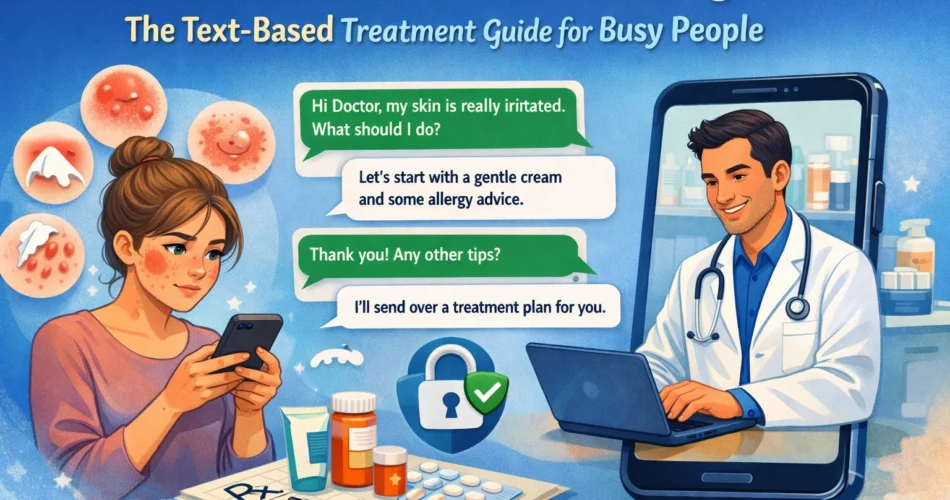
You've stared at that breakout in the mirror for three days. Your eczema flared up again. Your face is red and inflamed from rosacea. Or maybe it's allergy season, and your skin is a mess.
The last thing you need? Sitting in a waiting room for two hours just to get a prescription that could've been written in five minutes.
Here's the reality: most common skin conditions don't require an in-person examination. A dermatologist can diagnose and prescribe treatment based on photos and your medical history. That's exactly why text-based consultations have become the go-to solution for busy people dealing with acne, eczema, rosacea, and allergies.
Let's break down what actually works for each condition: and how you can get treated without disrupting your entire day.
Why Text-Based Treatment Works for Skin Conditions
Dermatology is inherently visual. Doctors need to see your skin, but they don't necessarily need to see you in person. With secure medical messaging, you can:
- Send clear photos of your condition
- Describe your symptoms and medical history
- Receive a diagnosis and treatment plan
- Get prescriptions sent directly to your pharmacy
No scheduling appointments weeks in advance. No taking time off work. No sitting in a waiting room next to someone with the flu.
According to the American Academy of Dermatology, teledermatology consultations have proven effective for diagnosing and treating common skin conditions, with accuracy rates comparable to in-person visits for conditions like acne, eczema, and rosacea.

Acne Treatment Online: What Actually Works
Acne isn't just a teenage problem. Adult acne affects approximately 50% of women in their 20s and 25% in their 40s. Whether you're dealing with hormonal breakouts, cystic acne, or persistent blackheads, effective treatment is available through online dermatologist consultations.
First-line treatments typically include:
- Benzoyl peroxide (2.5% to 10%): Kills acne-causing bacteria and reduces inflammation
- Salicylic acid: Unclogs pores and prevents new breakouts
- Topical retinoids: Prescription-strength tretinoin, adapalene, or tazarotene to increase cell turnover
For moderate to severe acne, doctors may prescribe:
- Topical antibiotics (clindamycin or erythromycin): Reduce bacteria and inflammation
- Oral antibiotics (doxycycline, minocycline): For widespread inflammatory acne
- Hormonal therapy: Birth control pills or spironolactone for hormonal acne in women
- Isotretinoin (Accutane): Reserved for severe, treatment-resistant cases
The beauty of text-based acne treatment online? You can message your doctor when you notice changes, send updated photos, and adjust your treatment plan without multiple office visits. Most patients see improvement within 6-8 weeks of starting treatment.
Eczema Treatment Online: Managing Flare-Ups Remotely
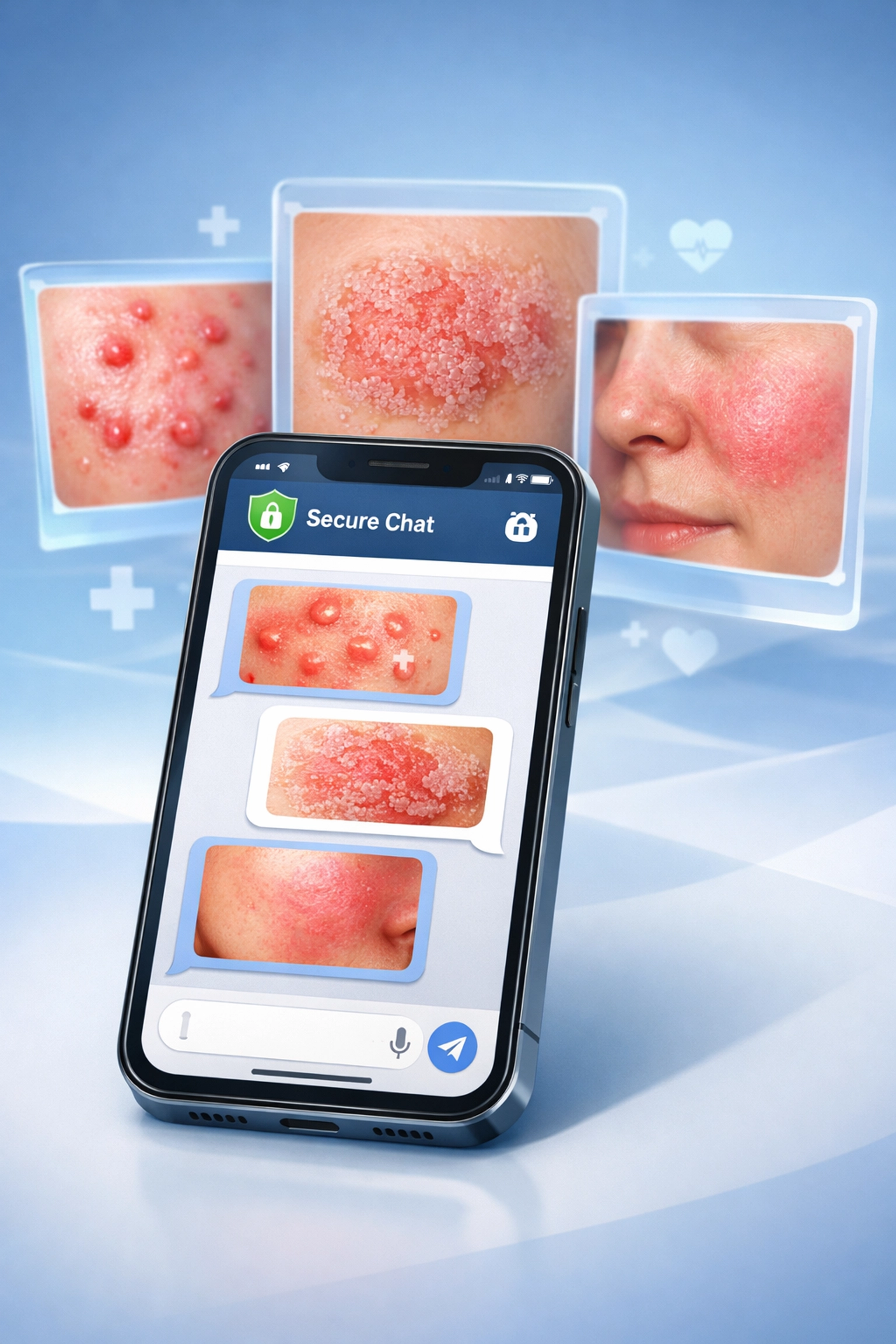
Eczema (atopic dermatitis) causes dry, itchy, inflamed skin that can crack and bleed. It's chronic, unpredictable, and often triggered by stress, weather changes, or irritants. When a flare-up hits, you need treatment fast: not an appointment in two weeks.
Standard eczema treatment includes:
Moisturizing protocol: The foundation of eczema management. Apply thick, fragrance-free moisturizers (Cetaphil, CeraVe, Eucerin) or ointments (Aquaphor, Vaseline) immediately after bathing, while skin is still damp.
Topical corticosteroids: Prescription-strength hydrocortisone reduces inflammation and itching. Your doctor will prescribe the appropriate potency based on severity and location.
Non-steroidal options: Tacrolimus (Protopic) or pimecrolimus (Elidel) for sensitive areas like the face and eyelids.
Oral antihistamines: Reduce nighttime itching that disrupts sleep.
For severe eczema that doesn't respond to topicals, newer treatments include:
- Biologic medications: Dupilumab (Dupixent) targets specific immune pathways
- JAK inhibitors: Abrocitinib or upadacitinib for moderate to severe cases
- Phototherapy: May require in-person visits but can be coordinated through telehealth
Text-based eczema treatment online allows you to quickly get prescription refills during flare-ups, adjust medication strength as needed, and receive guidance on trigger management: all without scheduling office visits during your busiest times.
Rosacea: Getting the Right Prescription Without the Wait
Rosacea causes facial redness, visible blood vessels, and inflammatory bumps that many people mistake for acne. It typically affects adults over 30 and worsens without treatment.
First-line rosacea treatments:
For inflammatory lesions (bumps and pimples):
- Metronidazole (Metrogel, Metrocream): Applied once or twice daily
- Azelaic acid (Finacea): Reduces inflammation and evens skin tone
- Ivermectin (Soolantra): Particularly effective for rosacea with Demodex mites
For persistent redness:
- Brimonidine gel (Mirvaso): Constricts blood vessels, reducing facial redness within 30 minutes
- Oxymetazoline (Rhofade): Another vasoconstrictor option for erythema
For moderate to severe cases:
- Oral doxycycline: Low-dose (40mg) reduces inflammation without antibiotic resistance
- Isotretinoin: Reserved for severe, treatment-resistant rosacea
The American Academy of Dermatology notes that rosacea requires ongoing management. Text-based consultations make it easier to report new symptoms, adjust medications, and receive prescription refills without disrupting your schedule.

Seasonal Allergies and Skin Reactions: Fast Relief When You Need It
Allergies don't just cause sneezing and congestion. They trigger skin reactions like hives, contact dermatitis, and eczema flare-ups. When your skin is reacting to allergens, you need relief now: not after a week-long wait for a dermatology appointment.
Common allergy-related skin conditions:
Allergic contact dermatitis: Red, itchy rash where skin touched an allergen (poison ivy, nickel jewelry, fragrances). Treatment includes topical corticosteroids and oral antihistamines.
Urticaria (hives): Raised, itchy welts triggered by food, medication, or environmental allergens. Responds quickly to antihistamines and, in severe cases, oral corticosteroids.
Angioedema: Swelling beneath the skin, often around eyes and lips. Requires immediate treatment with antihistamines or, in severe cases, epinephrine.
Seasonal allergy skin flare-ups: Increased histamine levels during allergy season can trigger eczema and rosacea. Treatment combines antihistamines with condition-specific topicals.
Getting treatment for seasonal allergies online through a doctor means you can receive antihistamine prescriptions, topical steroids, and even EpiPen prescriptions if you have a history of severe reactions: all through secure text messaging.
How to Start Text-Based Treatment Today
Getting dermatological care through text-based consultations is straightforward:
- Chat with a licensed doctor through a secure messaging platform
- Describe your symptoms and provide your medical history
- Upload clear photos of your skin condition (natural lighting works best)
- Receive a diagnosis and treatment plan within hours, not days
- Get prescriptions sent directly to your preferred pharmacy
For conditions like acne, eczema, rosacea, and allergies, this approach is just as effective as in-person visits: but dramatically more convenient.
ChatWithDr provides 24/7 access to board-certified doctors who can diagnose skin conditions, prescribe medications, and provide ongoing care through secure medical messaging. No appointments, no waiting rooms, no wasted time.
The Bottom Line
You shouldn't have to choose between your skin health and your schedule. Text-based dermatology consultations provide the same quality care as traditional appointments, with prescriptions delivered faster and on your terms.
Whether you're dealing with stubborn acne, an eczema flare-up, rosacea redness, or allergy-triggered skin reactions, online prescription services can get you treated quickly and effectively: usually within the same day.
Your skin doesn't wait for convenient appointment times. Neither should your treatment.
Disclaimer: This information is not a substitute for professional medical advice, diagnosis, or treatment. Always seek the advice of your physician or qualified health provider with questions regarding medical conditions or treatments.
Related posts:
 Acne, Eczema, Allergies, and Rosacea Treatment Online: Get Same-Day Prescriptions Without the Wait
  Allergies, Acne, or Eczema? Get Your Prescription Tonight (Even If It's 2 AM)
  Your Guide to Getting Acne Treatment Online
 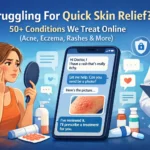 Struggling For Quick Skin Relief? 50+ Conditions We Treat Online (Acne, Eczema, Rashes & More)
  Seasonal Allergies Getting Worse? Chat With a Doctor Online for Fast Relief