
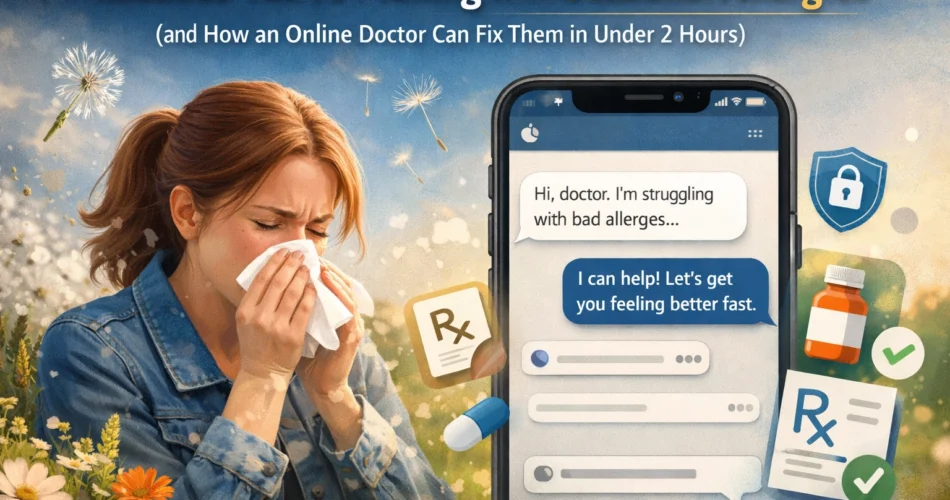
Spring is here, and so are the sneezes, itchy eyes, and constant congestion. If you're one of the millions dealing with seasonal allergies, you've probably already stocked up on tissues and over-the-counter antihistamines. But here's the thing: most people are managing their allergies all wrong.
Research shows that 80% of allergy sufferers report their self-medication falls short of being "effective." That's not because allergies are impossible to manage: it's because common mistakes keep you trapped in a cycle of sniffling and suffering. The good news? Most of these mistakes have simple fixes, and an online doctor can help you get on the right track faster than you'd think.
Let's break down the seven biggest allergy mistakes you're probably making right now.
Mistake #1: You're Taking Your Medication Too Late
Here's a mistake almost everyone makes: you wait until your nose is running and your eyes are watering before you pop an allergy pill. By that point, histamines have already flooded your system and triggered the inflammatory response. You're fighting a battle that's already underway.
The fix: Start your allergy medication several weeks before allergy season begins. If you know you're allergic to tree pollen (which typically peaks in early spring), begin taking your daily antihistamine in late February or early March. This gives your body a defensive barrier before allergens start their assault.
Also, take your medication before heading outdoors for extended periods. Going for a hike? Take your allergy med an hour before you leave. This proactive approach is significantly more effective than reactive treatment.
Mistake #2: You Have No Idea What You're Actually Allergic To
Most people assume they're allergic to "pollen" and leave it at that. But pollen is a broad category: there's tree pollen, grass pollen, and weed pollen, each with different peak seasons. You might also react to mold spores or dust mites, which can make symptoms worse or extend your misery beyond typical pollen season.
The fix: Get properly tested. An allergist or online doctor can order specific allergy testing to identify your exact triggers. This isn't just academic: knowing whether you're allergic to birch trees versus ragweed changes when you need to take precautions and which medications work best.
With text-based telehealth platforms, you can chat with doctors who can order lab work or refer you for testing without sitting in a waiting room. Many patients discover they've been treating the wrong allergen for years.
Mistake #3: You're Not Showering After Being Outside
Pollen doesn't just make you sneeze when you're outdoors: it follows you inside. Pollen grains are microscopic and sticky. They cling to your hair, skin, and clothes. If you come home from a walk and plop down on your couch or climb into bed without showering, you're basically rolling around in allergens all evening.
The fix: Shower and change clothes after spending time outside during high-pollen days. Pay special attention to washing your hair, where pollen loves to hide. This simple habit can dramatically reduce nighttime symptoms and help you sleep better.
Also, don't hang laundry outside to dry during allergy season. Your freshly washed sheets will become pollen magnets, defeating the entire purpose of clean bedding.
Mistake #4: You're Letting Fresh Air In (At the Worst Possible Time)
Those beautiful spring breezes feel refreshing: until you realize they're delivering millions of pollen particles directly into your living space. Opening windows during high-pollen days is like inviting your allergens over for dinner.
The fix: Keep windows closed during peak pollen season and use air conditioning instead. Check daily pollen counts (most weather apps include this now) and be especially careful on high-count days, which are usually dry, windy mornings.
If you need fresh air, wait until after it rains. Rain temporarily clears pollen from the air, giving you a brief window to open up your home.
Mistake #5: Your Indoor Environment Is Working Against You
You can't control the pollen outside, but you have total control over your indoor air quality: and most people aren't using it. Standard HVAC filters do almost nothing to capture allergens, and dust, pet dander, and mold can make indoor air just as problematic as outdoor air.
The fix: Invest in HEPA filters for your home. You can get portable HEPA air purifiers for individual rooms or upgrade your whole-house HVAC system with HEPA filtration. Change filters regularly: a clogged filter doesn't just reduce effectiveness, it can blow accumulated allergens back into your air.
Vacuum frequently with a vacuum that has a HEPA filter (regular vacuums can actually stir up allergens and make things worse). Keep humidity levels between 30-50% with a dehumidifier to prevent mold growth, which is a major allergen that many people overlook.
Mistake #6: You're Eating Foods That Make Your Allergies Worse
This one surprises most people: about one-third of seasonal allergy sufferers also experience oral allergy syndrome. This happens because certain raw fruits and vegetables contain proteins that are structurally similar to pollen proteins, causing your immune system to overreact.
If you're allergic to birch pollen, you might notice your mouth gets itchy after eating apples, cherries, or carrots. Grass pollen allergies can cross-react with watermelon, tomatoes, and celery. You're essentially experiencing a mild allergic reaction every time you eat these foods during allergy season.
The fix: Cook your produce. Heat destroys the proteins that trigger oral allergy syndrome, so cooked apples won't cause the same reaction as raw ones. You can also peel fruits and vegetables, since the problematic proteins concentrate in the skin.
If you're experiencing oral allergy symptoms, mention this when you chat with an online doctor. They can help you identify which foods to avoid based on your specific pollen allergies and ensure you're not missing nutritional needs by eliminating certain produce.
Mistake #7: You're Trying to Tough It Out Alone
The biggest mistake of all is assuming you just have to live with seasonal allergies. Remember that 80% effectiveness statistic for self-treatment? That means most people are suffering unnecessarily because they're using the wrong medications, wrong doses, or wrong timing.
Over-the-counter antihistamines work for some people, but they're not the only option. Prescription nasal corticosteroids are often more effective for severe symptoms. Some people need a combination approach with multiple medications targeting different aspects of the allergic response.
The fix: Talk to a healthcare provider who can create a personalized treatment plan. This is where online urgent care becomes incredibly valuable. You can text with a licensed doctor, describe your symptoms, discuss what you've already tried, and get a prescription sent to your pharmacy: all without leaving your house or breathing recycled waiting room air.
For chronic allergy sufferers, immunotherapy (allergy shots or sublingual tablets) is about 85% effective and can provide long-term relief. While it takes three to five years to complete, many patients report life-changing results.

How an Online Doctor Can Fast-Track Your Allergy Relief
Here's why the "under 2 hours" claim isn't just marketing hype: seasonal allergies are a straightforward diagnosis and treatment scenario. When you chat with doctors through a text-based telehealth platform, the consultation is efficient:
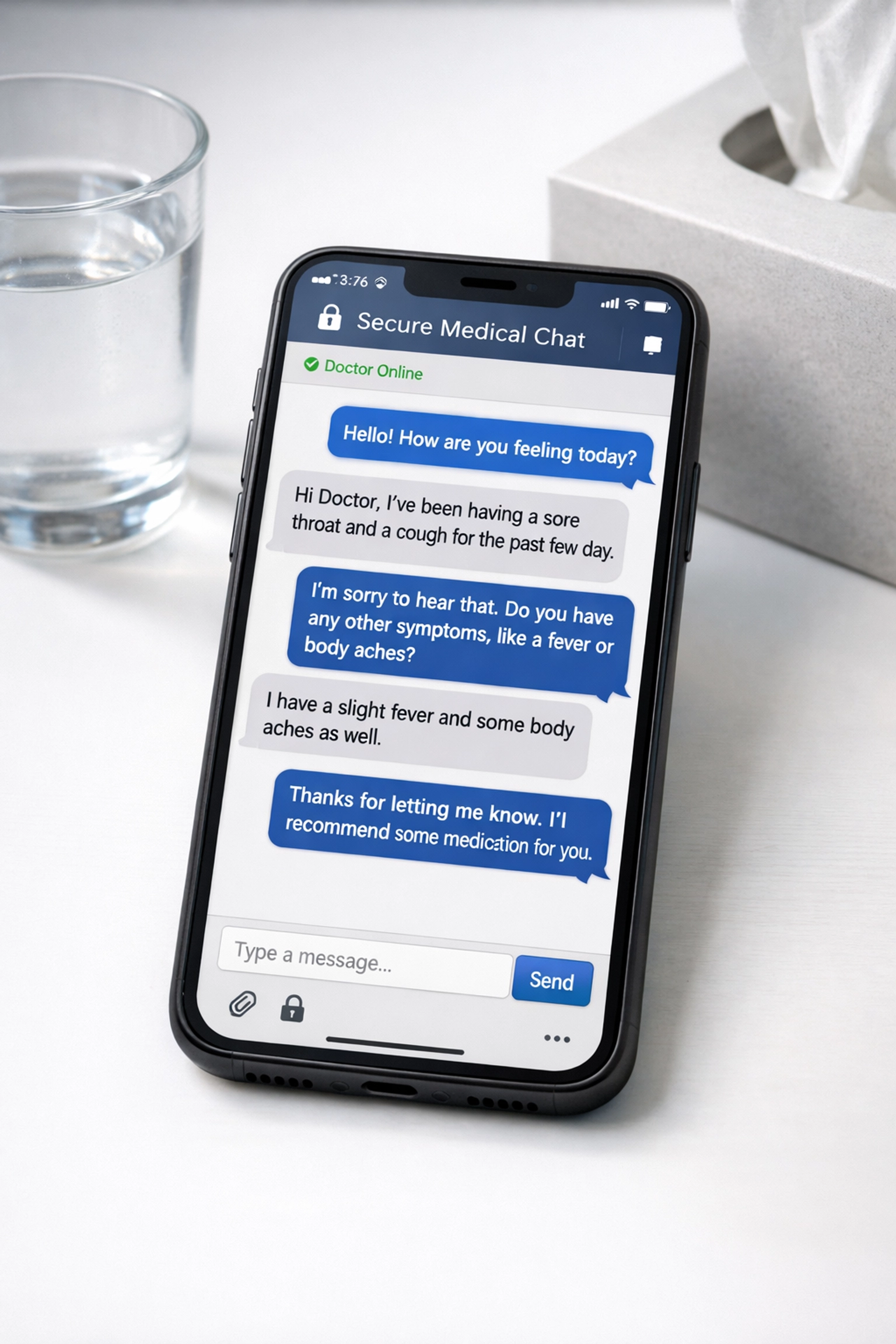
- You describe your symptoms through secure medical messaging
- The doctor reviews your medical history and asks targeted questions
- You receive a treatment plan that might include prescription medications, lifestyle modifications, or referrals for testing
- Prescriptions are sent directly to your pharmacy for same-day pickup
No waiting room. No taking time off work. No exposure to sick people at urgent care when you're just trying to breathe normally.
Online doctors can prescribe most allergy medications, including prescription-strength antihistamines, nasal corticosteroids, and leukotriene inhibitors. If you need allergy testing or immunotherapy, they can provide referrals to specialists in your area.
The convenience factor matters especially for allergies because timing is everything. If you wake up on a high-pollen day with severe symptoms, you need help now: not three weeks from now when your primary care doctor has an opening.
Take Control of Your Allergy Season
Seasonal allergies don't have to control your life for months out of the year. By avoiding these seven common mistakes and getting professional guidance, you can enjoy spring without constantly reaching for tissues.
The most important takeaway? Don't settle for "good enough" when it comes to managing your allergies. If your current approach isn't working, it's time to try something different. An online doctor consultation can give you personalized recommendations based on your specific triggers and symptoms, helping you find relief faster than trial-and-error with pharmacy shelves of medications.
Remember to start your medications early, identify your specific triggers, keep allergens out of your home, and get professional help when over-the-counter options aren't cutting it. Your future spring-loving self will thank you.
Disclaimer: This information is not a substitute for professional medical advice, diagnosis, or treatment. Always seek the advice of your physician or qualified health provider with questions regarding medical conditions or treatments.
Related posts:
 Struggling with Spring Allergies? Here Are 10 Things Your Online Doctor Can Do Today
  Seasonal Allergies Getting Worse? Chat With a Doctor Online for Fast Relief
  Seasonal Allergies: Quick Relief, Real Doctors, Try Online Medical Chat (No Video Call Needed)
  Online Doctor for Allergies: Fast Diagnosis and Treatment from Home
  Seasonal Allergies Relief Online: Fast Care, No Waiting Room Required