
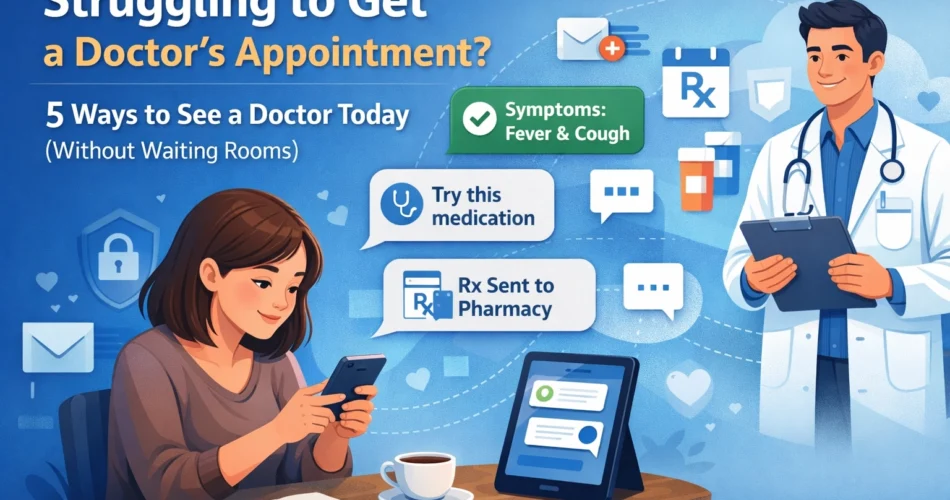
Medically reviewed by ChatWithDr Medical Team
You wake up with a persistent cough, your blood pressure medication runs out tomorrow, or you need a prescription refill for your asthma inhaler. You call your doctor's office, only to hear the dreaded response: "Our next available appointment is in three weeks."
Sound familiar? The average wait time to see a primary care physician in the United States now exceeds 26 days in most major cities. For busy professionals juggling work meetings, family obligations, and personal commitments, taking half a day off work to sit in a waiting room simply isn't feasible.
The good news? You don't have to wait weeks or waste hours in a clinic. Medical care has evolved, and there are now multiple ways to see a doctor today: often within hours: without ever stepping foot in a waiting room.
1. Text-Based Telehealth: Chat With a Doctor in Under 2 Hours
The fastest, most convenient option for non-emergency medical issues is text-based telehealth. Unlike traditional video appointments that require scheduling and sitting through virtual waiting rooms, modern medical messaging platforms let you describe your symptoms or health concerns via secure text and receive professional medical guidance within hours.
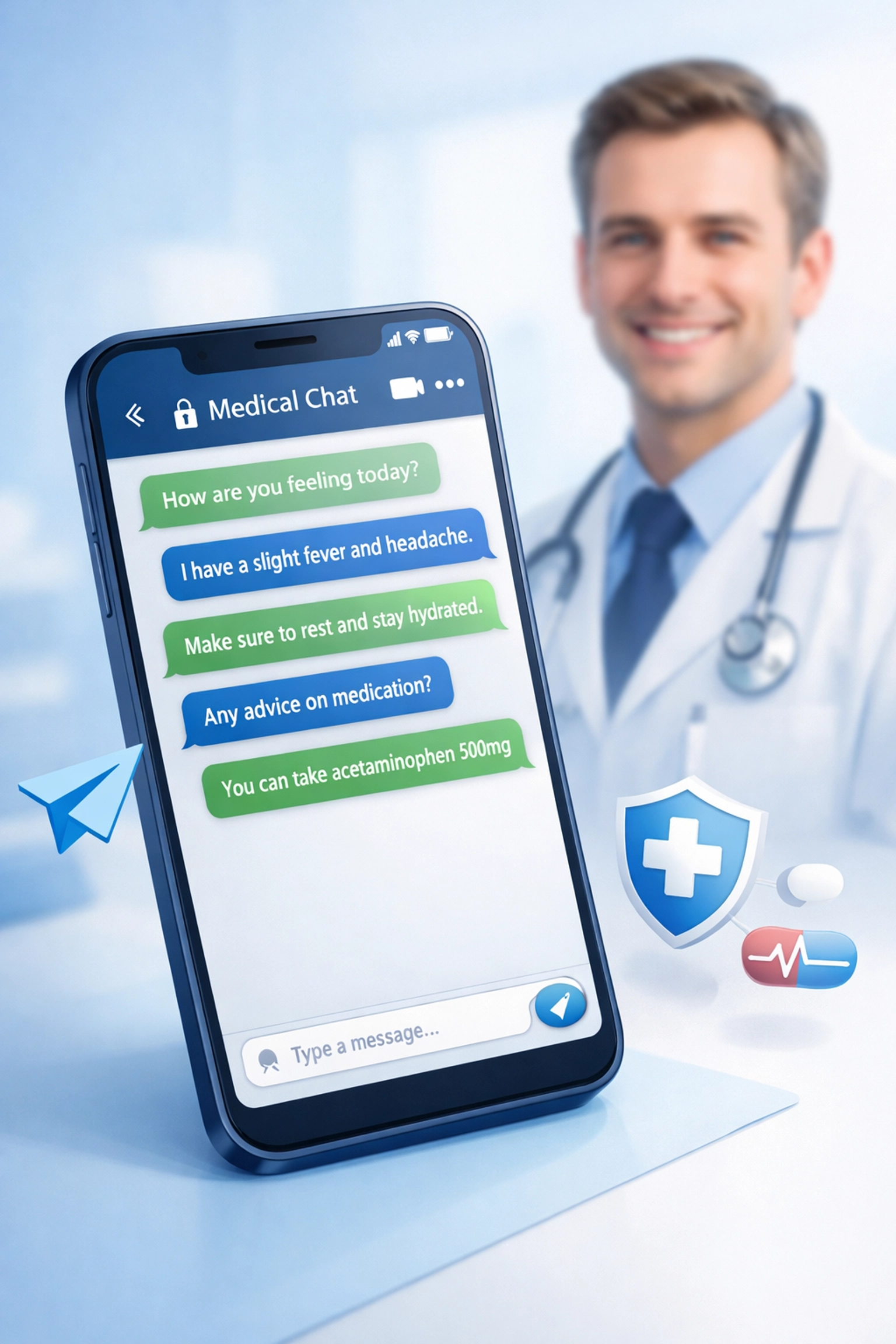
ChatWithDr offers consultations with U.S.-licensed physicians who respond in under 2 hours: no appointment scheduling required. The process is simple: you describe your symptoms through secure messaging, and a licensed doctor reviews your case and responds with medical advice, treatment plans, or prescriptions when appropriate.
This approach works particularly well for:
- Prescription refills for chronic conditions like asthma, high blood pressure, or high cholesterol
- Acute issues like UTIs, sinus infections, or allergies
- Follow-up questions after a recent diagnosis
- General medical questions that don't require physical examination
The best part? At $39.99 per consultation with HSA/FSA acceptance, you get transparent, flat-rate pricing with no insurance headaches. No account creation is needed: you can book a consultation and start chatting with a doctor immediately.
2. On-Demand Virtual Urgent Care
For situations requiring real-time medical attention, virtual urgent care platforms provide same-day access to healthcare providers. These services typically offer both scheduled and on-demand appointments, making them ideal for sudden illnesses or injuries that need prompt attention but aren't true emergencies.
Virtual urgent care works well for conditions like:
- Strep throat, cold, or flu symptoms
- Pink eye or ear infections
- Minor skin rashes or allergic reactions
- Migraines or headaches
- Digestive issues
Most platforms connect you with a healthcare provider within 15 minutes to an hour. However, many require account setup, insurance verification, and may involve video calls that aren't always convenient when you're at work or don't feel presentable.

Text-based alternatives like ChatWithDr's online urgent care give you the same medical expertise without the video requirement: particularly valuable when you're dealing with sensitive health issues or simply don't want to appear on camera.
3. Walk-In Urgent Care Centers (When Physical Exams Matter)
Sometimes a physical examination, X-ray, or immediate lab test is necessary. In these cases, walk-in urgent care centers remain a solid option. These facilities operate on a first-come, first-served basis with extended hours, including evenings and weekends.
Urgent care centers can handle:
- Sprains, minor fractures, or injuries requiring X-rays
- Wounds needing stitches
- Severe allergic reactions
- Conditions requiring rapid strep or flu tests
- Physical examinations for work or school
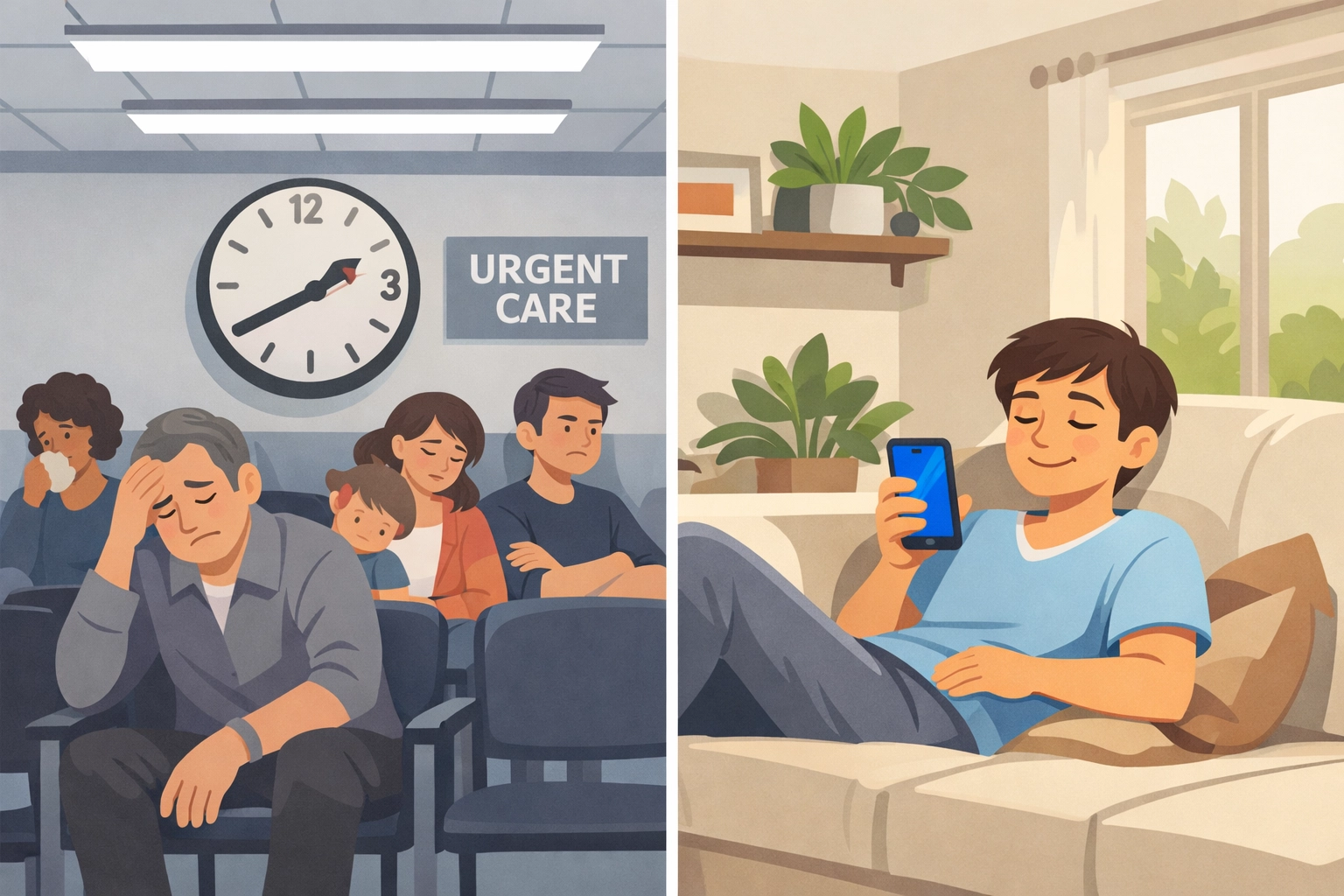
The main drawbacks? Wait times can still reach 1-2 hours during peak periods, and costs vary widely: typically ranging from $100-$200 without insurance. You're also exposed to other sick patients while waiting, which isn't ideal if you have a compromised immune system.
For conditions that don't require hands-on examination, online primary care through secure messaging offers faster, more convenient access at a fraction of the cost.
4. Retail Health Clinics at Pharmacies
CVS MinuteClinic, Walgreens Healthcare Clinic, and similar retail health services at major pharmacy chains offer walk-in appointments with nurse practitioners for basic health needs. These clinics typically have shorter wait times than traditional urgent care (usually under 30 minutes) and transparent pricing.
Retail clinics excel at:
- Vaccinations and immunizations
- Basic health screenings (blood pressure, cholesterol, glucose)
- Simple illness treatment (cold, flu, minor infections)
- Sports physicals and wellness exams
However, their limited hours (most close by 6-7 PM) and basic service offerings make them less suitable for busy professionals or more complex medical concerns. For prescription refills or follow-up care on chronic conditions, secure medical messaging provides 24/7 access without location constraints.
5. Same-Day Primary Care Appointments (If You're Flexible)
Some primary care practices now reserve "same-day sick visit" slots for established patients. If you already have a primary care physician and their office offers same-day booking, this can be an excellent option for maintaining continuity of care.
To maximize your chances of securing same-day appointments:
- Call right when the office opens (most same-day slots are released early morning)
- Be flexible with timing: accept whatever slot is available, even if inconvenient
- Establish care in advance: many practices only offer same-day visits to existing patients
- Use patient portals: some systems allow online booking for last-minute appointments
The reality is that same-day primary care appointments remain difficult to secure in most areas. When your schedule is packed or you need medical guidance quickly, online doctor consultations through secure messaging eliminate the scheduling struggle entirely.
How to Choose the Right Option for Your Situation
Not all medical concerns require the same approach. Here's a quick decision framework:
Choose text-based telehealth if:
- Your condition doesn't require physical examination
- You need prescription refills for ongoing medications
- You want the fastest response without scheduling
- Cost transparency matters (fixed $39.99 rate)
- You prefer asynchronous communication over video calls
Choose video telehealth if:
- Visual assessment would help (skin conditions, eye problems)
- Your insurance covers video visits specifically
- You prefer real-time conversation over messaging
Choose in-person urgent care if:
- You need X-rays, lab tests, or physical examination
- Your symptoms suggest something requiring hands-on assessment
- You have severe pain, bleeding, or acute injuries
Choose ER if:
- You're experiencing chest pain, stroke symptoms, or severe breathing difficulty
- You have uncontrolled bleeding or major trauma
- Your condition is potentially life-threatening
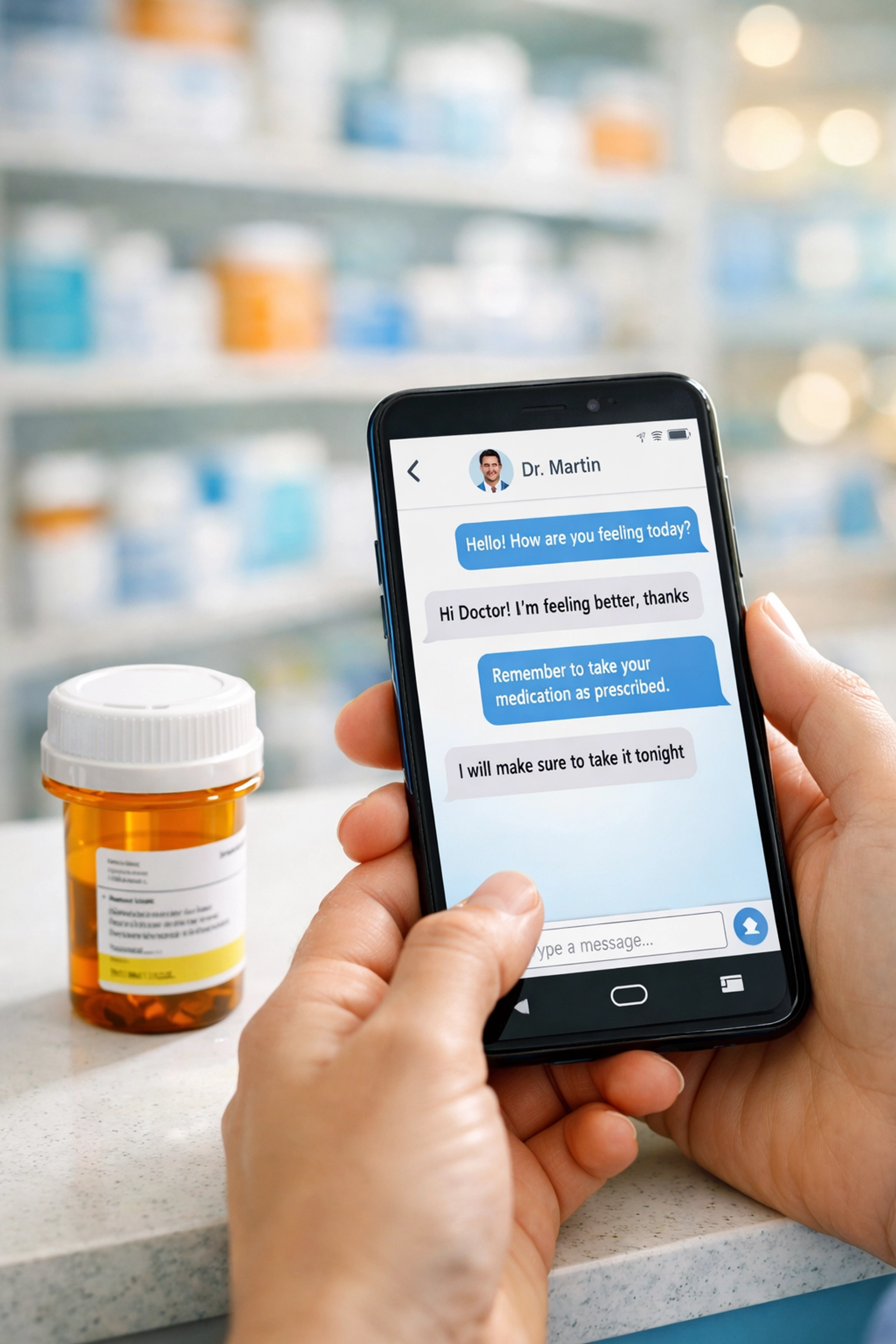
For the vast majority of non-emergency health concerns: including prescription refills, common illnesses, and chronic condition management: text-based telehealth offers the optimal balance of speed, convenience, and cost-effectiveness.
The Future of Healthcare Access Is Already Here
The days of waiting weeks for doctor appointments or spending hours in crowded waiting rooms are becoming obsolete. Modern telehealth platforms have proven that quality medical care doesn't require physical office visits for most conditions.
Whether you need an online prescription for asthma or blood pressure medication, treatment for a UTI, or medical guidance on a persistent health concern, secure medical messaging delivers board-certified physician expertise on your schedule.
With response times under 2 hours, transparent $39.99 pricing, and no appointment or account required, platforms like ChatWithDr make healthcare accessible when and where you need it: without the waiting room.
Ready to skip the wait? Book your consultation and chat with a licensed doctor today.
Disclaimer: This information is not a substitute for professional medical advice, diagnosis, or treatment. Always seek the advice of your physician or qualified health provider with questions regarding medical conditions or treatments.
Related posts:
 The 7 Best Online Doctor Services of 2025: A Detailed Review
  Chat With a Doctor 24/7: Why Text-Based Primary Care Is Replacing Waiting Rooms
  Stop Waiting Days for Your Doctor: The Ultimate Guide to Instant Primary Care via Text
  Can’t Get a Primary Care Appointment? Chat With a Doctor 24/7 Instead
  Chat With a Doctor 24/7: How Text-Based Primary Care Fills the Gap When Your Doctor Is Unavailable