
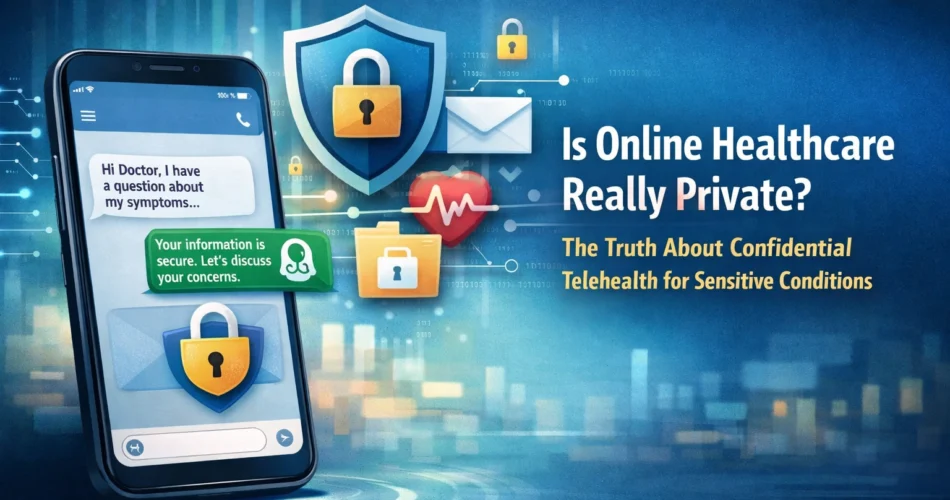
When searching for bacterial vaginosis treatment online or seeking an emergency contraception online prescription, privacy is likely your top concern. It's a valid worry, sharing sensitive health information digitally can feel risky. But is online healthcare truly private, or are you exposing your most personal medical details to potential breaches?
The short answer: telehealth can be highly confidential, but only when proper safeguards are in place. Privacy isn't automatic just because you're consulting with a doctor remotely. The level of confidentiality depends on both the healthcare provider's security measures and your own actions as a patient.
Understanding HIPAA Protection in Telehealth
Telehealth platforms operating in the United States must comply with HIPAA Privacy and Security Rules, which means your protected health information (PHI) must be handled with strict confidentiality. This applies whether you're discussing urinary tract infections, requesting birth control, or seeking treatment for erectile dysfunction.
However, legal compliance alone doesn't guarantee complete privacy. According to healthcare security experts, a secure communication channel between physician and patient is insufficient on its own. Additional safeguards are required, including:
- Auditing capabilities to track who accesses your information
- Data backup procedures to prevent information loss
- Disaster recovery mechanisms
- Encrypted storage where all communications are logged securely
- Business Associate Agreements (BAAs) with any third-party vendors

These protections matter especially when you're seeking care for sensitive conditions. Whether you need online STD testing, online birth control, or treatment for conditions like bacterial vaginosis, you deserve medical care that respects your privacy completely.
Real Privacy Risks in Online Healthcare
Despite regulatory protections, several factors can compromise confidentiality in telehealth settings:
Environmental Risks: Not everyone has access to a private space for healthcare consultations. Discussing sensitive health concerns, like requesting emergency contraception or addressing erectile dysfunction, becomes difficult when family members or roommates might overhear.
Technological Vulnerabilities: Data security issues present real concerns. Cybersecurity threats, hacking attempts, and unauthorized access to medical records can occur with platforms that don't implement robust security measures. Poor encryption or insecure messaging systems create opportunities for privacy breaches.
Operational Weaknesses: Inadequate staff training, insufficient privacy policies, and system maintenance failures can all create vulnerabilities in patient confidentiality.
Patients' concerns are entirely justified. With the rapid expansion of telehealth services comes a widening gap of risks, especially cyber and technology-related data security exposures. Many patients lack expertise in using healthcare technology securely, which compounds these risks.
How Secure Platforms Protect Your Sensitive Information
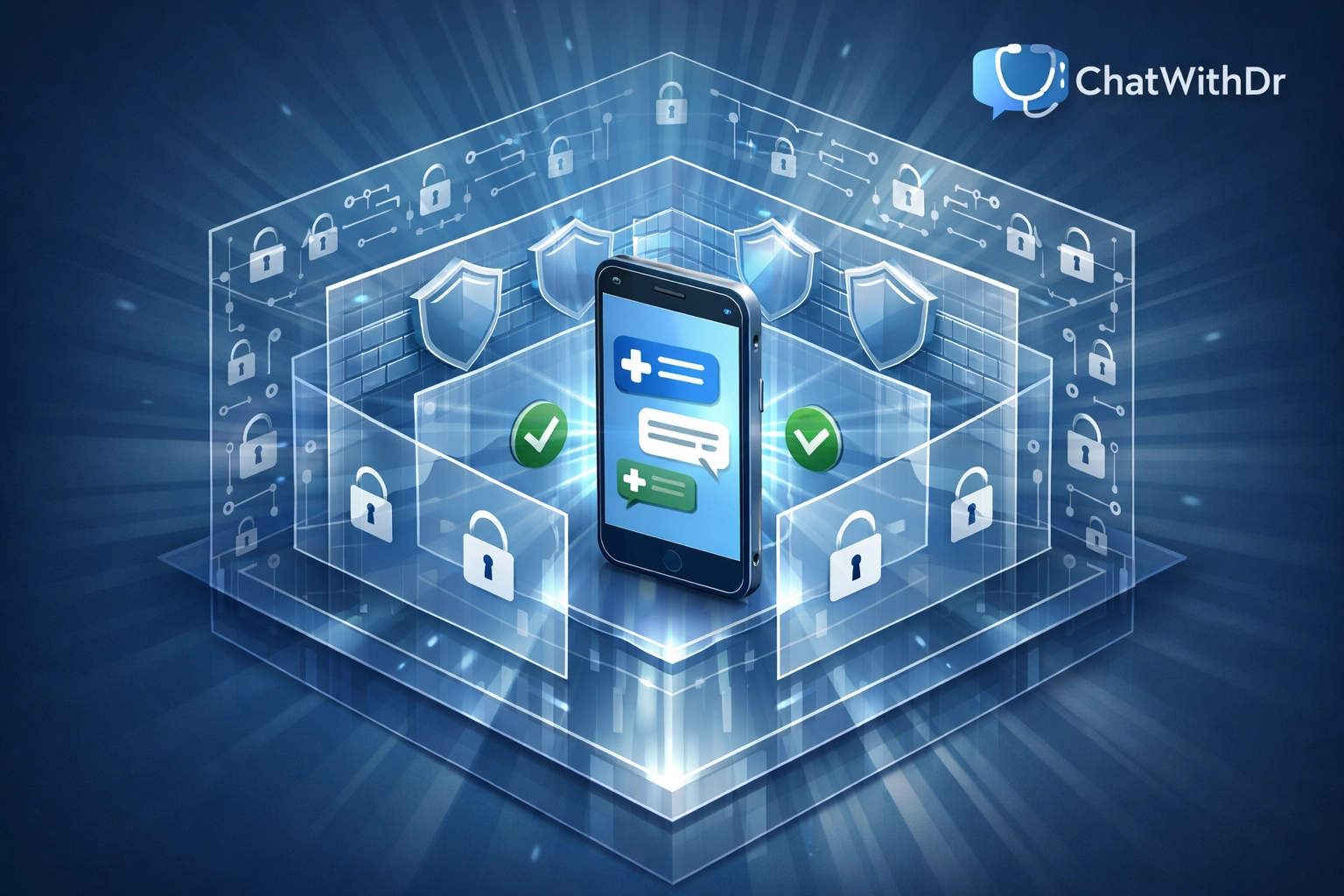
Reputable telehealth providers implement multiple layers of protection to safeguard your privacy:
End-to-End Encryption: Messages between you and your healthcare provider should be encrypted both in transit and at rest, making them unreadable to anyone who might intercept them.
Access Controls: Strict limitations on who can view your medical records ensure that only authorized healthcare professionals treating you can access your information. Your records aren't available to the entire organization, only those directly involved in your care on a need-to-know basis.
Identity Verification: Before discussing your health information, especially during first contacts, secure platforms implement identity verification procedures to confirm both the patient's and provider's identities.
Audit Trails: Comprehensive logging systems monitor and record every access to your protected health information, creating accountability and enabling detection of any unauthorized access attempts.
Privacy for Women's and Men's Health Conditions
Seeking treatment for intimate health concerns requires exceptional privacy. Whether you need bacterial vaginosis treatment online, emergency contraception, erectile dysfunction medication, or other sensitive care, you shouldn't have to sacrifice confidentiality for convenience.
Text-based telehealth platforms offer particular advantages for privacy-conscious patients seeking treatment for sensitive conditions:
Discreet Communication: Secure medical messaging allows you to discuss symptoms and receive diagnoses without face-to-face encounters or video calls that might feel uncomfortable for intimate health issues.
Same-Day Treatment: Many platforms like ChatWithDr provide same-day consultations and prescriptions for urgent conditions, including emergency contraception online prescriptions, without requiring you to visit a physical clinic where you might encounter acquaintances.
No Waiting Rooms: Text-based consultations eliminate the need to sit in waiting rooms, reducing exposure and maintaining complete discretion about the nature of your medical visit.
HSA/FSA Acceptance: The ability to pay using HSA or FSA funds means you can cover treatment costs with pre-tax dollars while maintaining the same privacy protections as any other HIPAA-compliant healthcare transaction.
For conditions like bacterial vaginosis, urinary tract infections, or erectile dysfunction, the combination of clinical expertise and absolute privacy makes online treatment particularly appealing. You can discuss symptoms candidly with licensed physicians through secure medical messaging without the embarrassment that might prevent you from seeking care in person.
What to Look for in a Confidential Telehealth Platform
When selecting a telehealth provider for sensitive health conditions, consider these critical factors:
HIPAA Compliance: Verify the platform explicitly states HIPAA compliance and explains their security measures. This should be prominently displayed, not buried in fine print.
Encryption Standards: The platform should use industry-standard encryption for all communications and data storage. Look for platforms that specifically mention end-to-end encryption.
Licensed Healthcare Providers: Ensure you're consulting with actual licensed physicians, not unlicensed practitioners or AI chatbots. Legitimate platforms clearly identify their providers' credentials.
Transparent Privacy Policies: Read the privacy policy. It should clearly explain how your data is used, stored, and protected. Be wary of platforms with vague or overly complicated privacy statements.
Secure Payment Processing: Payment information should be handled separately from health information, using secure, encrypted payment processors that comply with financial industry standards.
No Third-Party Data Sharing: The platform shouldn't sell your health information to advertisers or third parties. This should be explicitly stated in their privacy policy.

Steps You Can Take to Protect Your Privacy
Even with a secure platform, you play a crucial role in maintaining confidentiality:
Use Secure Connections: Always use a password-protected Wi-Fi network, never public Wi-Fi, when accessing telehealth services. Public networks are vulnerable to interception.
Enable Multi-Factor Authentication: When available, turn on multi-factor authentication for an extra layer of account security.
Turn Off Recording Devices: Before your consultation, disable nearby devices like smart speakers, home security cameras, or voice-activated apps that might overhear sensitive conversations.
Use Private Locations: Find a private space where you won't be overheard when discussing sensitive conditions like bacterial vaginosis treatment or emergency contraception needs.
Delete Unnecessary Information: Once treatment is complete, you can delete messages or health information from your personal devices to reduce risk if your device is ever compromised.
Verify Provider Identity: Before sharing personal information, verify you're communicating with your actual healthcare provider. Use the provider's main phone number to confirm their identity for first contacts.
The ChatWithDr Approach to Confidential Care
At ChatWithDr, privacy isn't an afterthought, it's fundamental to how the platform operates. The text-based consultation model provides inherent privacy advantages while maintaining the clinical quality you need for sensitive conditions.
Licensed physicians are available to chat with you about any health concern, including those you might hesitate to discuss in person. Whether you need online ED treatment, a UTI treatment, or bacterial vaginosis treatment online, you can receive same-day diagnoses and prescriptions through secure medical messaging.
The platform accepts HSA and FSA payments, making confidential care both accessible and affordable. All communications are encrypted, HIPAA-compliant, and handled exclusively by licensed healthcare providers who understand the importance of discretion.
For emergency contraception online prescriptions or other time-sensitive needs, the combination of same-day service and complete confidentiality means you can get the care you need without delay or privacy concerns.
Privacy Doesn't Mean Compromising on Quality
Some patients worry that prioritizing privacy means accepting lower-quality care. This is a false choice. The most secure telehealth platforms employ board-certified physicians who provide the same standard of care you'd receive in a traditional office visit.
Text-based consultations with licensed doctors through platforms like ChatWithDr offer comprehensive evaluations. Physicians can review your symptoms, medical history, and current medications to make accurate diagnoses and prescribe appropriate treatments for conditions ranging from bacterial vaginosis to erectile dysfunction.
The difference is that you receive this expert care with complete privacy, convenience, and often same-day service, advantages that traditional in-office visits simply cannot match for sensitive health concerns.
The Bottom Line on Telehealth Privacy
Is online healthcare really private? When you choose a reputable, HIPAA-compliant platform that implements proper security measures, yes: telehealth can be exceptionally private, sometimes even more so than traditional healthcare settings.
For sensitive conditions requiring bacterial vaginosis treatment online, emergency contraception online prescriptions, or other intimate healthcare needs, text-based telehealth platforms offer a unique combination of clinical expertise, convenience, and confidentiality.
The key is selecting a platform that takes security seriously, understanding your role in protecting your own privacy, and verifying that proper safeguards are in place before sharing sensitive health information. With these precautions, you can receive the confidential, professional care you deserve for even your most private health concerns.
Disclaimer: This information is not a substitute for professional medical advice, diagnosis, or treatment. Always seek the advice of your physician or qualified health provider with questions regarding medical conditions or treatments.
Related posts:
 How to Get Emergency Contraception Online in Under 2 Hours (Fast & Private)
  The Complete Guide to Confidential Online Treatment: BV, Emergency Contraception, and More (HSA/FSA Accepted)
  How to Get Emergency Contraception Online, Fast, Private, and Affordable (2026 Guide)
  Ensuring Confidentiality in Online Health Consultations: A Comprehensive Guide
  Is Online Treatment for Sensitive Health Issues Really Private? Here's the Truth About HIPAA-Compliant Telehealth