
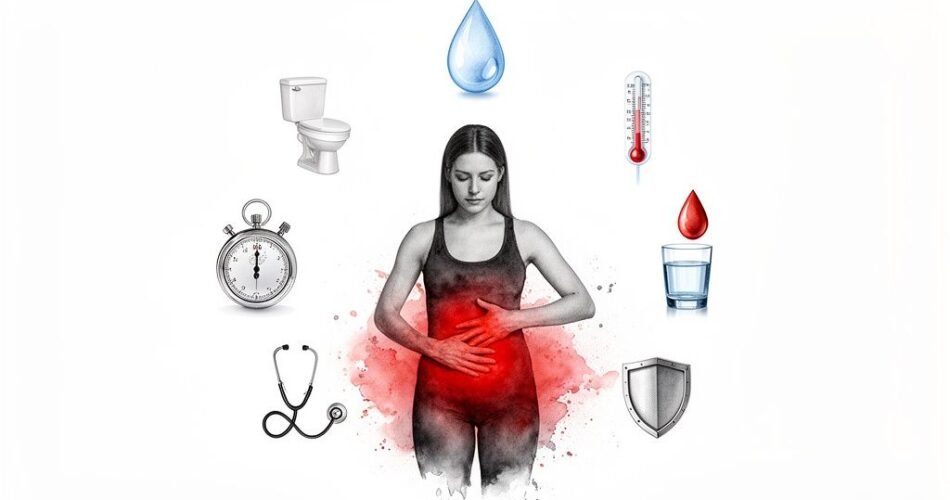
A urinary tract infection (UTI) is a common yet profoundly disruptive medical issue. It can derail your day with persistent pain and an unrelenting need to find a restroom. While many people associate UTIs with a single symptom, like a burning sensation during urination, the reality is that your body may send a variety of signals. Ignoring or misinterpreting these signs can lead to worsening discomfort and, in some cases, more serious complications like a kidney infection.
Understanding the full range of symptoms is the first and most critical step toward getting fast, effective treatment. This guide is designed to be your definitive resource for identifying the signs you have a UTI. We will move beyond the obvious and provide a clear, actionable breakdown of the eight most important indicators. You will learn to distinguish between a minor annoyance and a red flag that requires immediate medical attention.
This article cuts straight to the facts, explaining what each symptom means, why it’s happening, and what your next steps should be. Whether you're experiencing a classic, unmistakable symptom or a more subtle, confusing one, this list will provide the clarity you need to take control of your health. We’ll cover everything from pelvic pain and cloudy urine to systemic signs like fever, ensuring you have the knowledge to act swiftly and seek the right care, whether it's through an online doctor or a local clinic.
1. Dysuria (Painful or Burning Urination)
Of all the potential signs you have a UTI, dysuria, the medical term for painful or burning urination, is often the most noticeable and distressing. This sharp, stinging sensation occurs when bacteria, most commonly E. coli, inflame the delicate lining of your urethra and bladder. This irritation turns the normally painless process of urination into a dreaded event, serving as a primary red flag for an active infection.

The feeling is often described as passing hot liquid or even tiny shards of glass. For many, this is the first symptom that appears, making it a crucial indicator that you need to take action. Ignoring it can allow the infection to ascend further up the urinary tract, potentially leading to a more serious kidney infection.
Why It Happens and What to Note
The burning sensation is a direct result of your body's inflammatory response to the bacterial invasion. As urine, which is acidic, passes over the inflamed tissues, it causes the characteristic pain. To help a healthcare provider make an accurate diagnosis, pay attention to the specifics of your discomfort.
- Timing: Does the pain occur at the beginning of urination, at the end, or throughout the entire stream?
- Location: Is the burning felt internally, or is it more external?
- Severity: How would you rate the pain on a scale of 1 to 10?
A busy professional might notice a slight burn during their morning bathroom routine and dismiss it, only for it to become severe by midday. Recognizing this early sign and seeking a consultation is key to rapid relief. Getting a diagnosis and starting treatment promptly can prevent the infection from escalating.
Actionable Steps for Relief
If you experience painful urination, it is essential to seek a medical evaluation. Prompt diagnosis and treatment with antibiotics are the most effective ways to resolve a UTI and alleviate symptoms.
Key Insight: Dysuria is more than just discomfort; it's your body's direct signal that an infection is irritating your urinary tract. Immediate medical attention can prevent the infection from becoming more severe.
While waiting for your consultation, you can take steps to manage the discomfort. Stay well-hydrated to help dilute your urine, which may slightly reduce the burning sensation. However, avoid irritants like caffeine, alcohol, spicy foods, and acidic fruit juices, as these can worsen bladder irritation. Do not use scented soaps, bubble baths, or douches.
For a fast and convenient diagnosis, platforms offering online UTI treatment can provide a prescription without an in-person visit, allowing you to start feeling better sooner.
2. Urinary Frequency (Frequent Urination)
Beyond the burning pain, one of the most disruptive signs you have a UTI is a sudden and persistent need to urinate. This symptom, known as urinary frequency, occurs when the bladder lining becomes inflamed by bacteria. The irritation tricks your brain into thinking your bladder is full, triggering the urge to go, even if you’ve just been to the bathroom. This isn't just a minor inconvenience; it can completely derail your day.
The feeling is relentless and often unproductive, with only a small amount of urine being passed each time. For a student, this could mean missing crucial parts of a lecture due to constant bathroom trips. For a busy professional, it can interrupt important meetings and crush productivity as their focus is continually pulled away by the nagging urge.
Why It Happens and What to Note
Urinary frequency is a direct consequence of bladder wall irritation. The bacteria causing the infection create inflammation, which hypersensitizes the stretch receptors that signal your brain when it's time to urinate. This false alarm system is a key diagnostic clue that separates a UTI from simply drinking too much water.
To help your healthcare provider, try to track key details about your urination patterns.
- Quantity: Are you passing a lot of urine each time, or just a few drops? UTI-related frequency usually involves small volumes.
- Nighttime Urination (Nocturia): Is the urge waking you up at night? This is a significant piece of information for a diagnosis.
- Triggers: Does the frequency worsen after consuming caffeine, alcohol, or artificial sweeteners?
For example, a night shift worker might find their already limited sleep completely fragmented by nocturia, making their job unsafe and unsustainable. Recognizing that this new, intense frequency is abnormal is the first step toward seeking help.
Actionable Steps for Relief
If you're experiencing an unexplained increase in urinary frequency, especially alongside other symptoms like burning, it is vital to get a medical evaluation for a UTI. Antibiotics are necessary to eliminate the underlying bacterial infection and restore normal bladder function.
Key Insight: UTI-related urinary frequency is a false alarm from an irritated bladder, not a sign of a truly full bladder. Tracking its persistence and timing provides crucial diagnostic information.
While you arrange a consultation, do not restrict your water intake. Staying hydrated is important for flushing bacteria from your system. However, you should temporarily cut out known bladder irritants like coffee, soda, and acidic foods, which can exacerbate the feeling of urgency. Keeping a simple log of your bathroom trips over a 24-hour period can provide valuable data for your doctor.
For an immediate and convenient diagnosis, consider using a service for online UTI treatment. This allows you to consult with a provider from home and get a prescription quickly, helping you break the cycle of frequent urination and get back to your life.
3. Urinary Urgency (Urgent Need to Urinate)
One of the most disruptive signs you have a UTI is urinary urgency, a sudden, compelling, and often overwhelming need to urinate. This is not the gentle, gradual signal of a full bladder; it’s an abrupt and insistent command from your body that can’t be ignored. This intense sensation is caused by the bacterial infection inflaming the bladder lining (a condition known as cystitis), which makes the bladder hypersensitive and signals the brain to empty it, even when it contains very little urine.

This symptom can significantly interfere with daily life, turning simple activities into stressful events. For example, an office worker might find their concentration constantly broken by the need for frequent bathroom trips, affecting productivity and causing professional embarrassment. Similarly, someone at a social event may be unable to enjoy themselves, constantly preoccupied with locating the nearest restroom. This relentless urgency is a clear indicator that your urinary tract is under attack.
Why It Happens and What to Note
The feeling of urgency is a direct result of inflammation. The bacteria irritating the bladder wall trigger nerve endings that signal a false sense of fullness to your brain. Your bladder muscles may even begin to contract involuntarily, heightening the sensation that you must go right now. To help your healthcare provider understand the severity of your symptom, take note of a few details.
- Frequency: How many times per hour do you feel the urgent need to urinate?
- Volume: When you do urinate, is it a small amount or a normal stream?
- Triggers: Does anything seem to worsen the urgency, such as drinking a specific beverage?
Documenting these details can provide a clearer picture for your physician, leading to a more efficient diagnosis. Recognizing that this isn't just a minor inconvenience but a key symptom of an infection is the first step toward getting the right treatment.
Actionable Steps for Relief
When urinary urgency strikes, the most critical step is to seek a medical diagnosis to confirm and treat the underlying UTI. Antibiotics are necessary to eliminate the bacteria causing the inflammation.
Key Insight: Urinary urgency is not about how much urine is in your bladder, but how much inflammation is irritating it. This symptom is a direct signal of an infection that requires medical treatment to resolve.
While you await your medical consultation, you can manage the situation by avoiding known bladder irritants like caffeine, alcohol, and spicy foods. Plan your outings to ensure you have easy access to restrooms, and wear clothing that is easy to remove quickly to prevent accidents. Staying hydrated with plain water is still important, as it helps flush bacteria from your system.
For a fast and discreet diagnosis, services that offer online UTI treatment can be a lifeline, providing a prescription and expert advice from the comfort of your home, allowing you to regain control and find relief quickly.
4. Hematuria (Blood in Urine)
Discovering blood in your urine, known as hematuria, can be alarming, but it is a frequent sign of a urinary tract infection. This occurs when the bacterial infection causes significant inflammation and irritation to the delicate lining of your bladder and urethra. This inflammation can lead to the rupture of tiny blood vessels, which then release blood into your urine.

The urine's appearance can range from light pink or tea-colored to overtly red, depending on the amount of blood present. While hematuria can signal other serious medical issues, it is a very common UTI symptom. Its presence, especially alongside other signs like pain or urgency, strongly indicates an infection that requires immediate medical evaluation.
Why It Happens and What to Note
Hematuria is a direct physical manifestation of the damage the infection is causing to your urinary tract lining. The more severe the inflammation, the more likely you are to see blood. For a healthcare provider to accurately assess the situation, it's helpful to observe the details.
- Color: Is the urine faintly pink, bright red, or a dark cola color?
- Timing: Is blood present at the beginning, end, or throughout the entire urination stream?
- Consistency: Do you see blood every time you urinate, or is it intermittent?
For example, a woman might notice a slight pink tinge to her urine after experiencing burning sensations for a day. Recognizing this combination of signs you have a UTI prompts her to seek an immediate consultation, understanding it could signify a more aggressive infection that needs prompt treatment.
Actionable Steps for Relief
Any instance of blood in your urine warrants an immediate medical consultation to rule out other causes and confirm a UTI diagnosis. Starting antibiotics quickly is crucial to treating the infection and stopping the bleeding.
Key Insight: Hematuria is a clear visual sign that an infection is causing physical damage to your urinary tract. It should never be ignored and always requires prompt medical attention.
While awaiting your appointment, stay well-hydrated to help flush your system and dilute the urine. Avoid strenuous physical activity, as this can sometimes increase bleeding. Do not panic, as hematuria is a common UTI symptom, but act quickly to get a diagnosis.
For those needing a swift and discreet evaluation, services providing online UTI treatment can assess your symptoms and prescribe necessary medication, often within the same day, helping you address this concerning symptom without delay.
5. Suprapubic Pain (Lower Abdominal Pain)
Beyond the immediate sensation of burning urination, another one of the key signs you have a UTI is a persistent ache or pressure in your lower abdomen. This is known as suprapubic pain, and it is centered directly above your pubic bone where your bladder is located. The discomfort arises from the inflammation of the bladder wall, a condition medically termed cystitis, caused by the bacterial infection.
The feeling can range from a dull, constant pressure to sharp, cramping pains, often mimicking menstrual cramps. This pain typically intensifies as your bladder fills with urine and may feel temporarily better immediately after you urinate. Recognizing this symptom is crucial, as it pinpoints the infection to the bladder and signals the need for treatment before it can spread to the kidneys.
Why It Happens and What to Note
Suprapubic pain is a direct consequence of your immune system's response to the bacteria irritating your bladder lining. This inflammation makes the bladder muscles tender and sensitive to the pressure of filling. For example, a woman might initially dismiss the sensation as premenstrual cramping but then connect it to a UTI when painful urination also occurs.
To assist your doctor in making a precise diagnosis, pay close attention to the details of your pain.
- Location: Is the pain centered just above the pubic bone, or does it radiate to your sides or back? Pain in the flank area could indicate a more serious kidney infection.
- Triggers: Does the discomfort worsen as your bladder fills? Is it aggravated by movement or pressing on the area?
- Character: Is it a dull ache, a feeling of pressure, or sharp, intermittent cramps?
A patient might notice a slight pressure in the morning that escalates into significant pain by the end of the day after consuming liquids. This progression is a classic indicator of an active and worsening bladder infection.
Actionable Steps for Relief
If you're experiencing suprapubic pain along with other UTI symptoms, seeking a medical consultation for antibiotics is essential. Prompt treatment is the only way to resolve the underlying infection and find lasting relief.
Key Insight: Suprapubic pain is your body's way of telling you the infection is actively irritating your bladder. Distinguishing this specific location from general abdominal pain is vital for a correct diagnosis.
While you arrange for medical care, you can use a heating pad on your lower abdomen for 15-20 minute intervals to help soothe the muscle discomfort. Emptying your bladder frequently, even if it's uncomfortable, can reduce the pressure that contributes to the pain. Over-the-counter pain relievers like ibuprofen or acetaminophen may also provide temporary relief.
For more detailed information on how UTIs specifically affect women and the best ways to manage them, you can learn about UTI treatment for women and get a diagnosis from a qualified healthcare provider online.
6. Flank or Back Pain (Indicating Kidney Involvement)
While many UTI symptoms are confined to the lower urinary tract, the development of flank or back pain is a critical sign that the infection may have traveled upward to one or both kidneys. This condition, known as pyelonephritis, is a much more serious infection than a simple bladder infection (cystitis) and requires immediate medical attention. This pain is typically felt on one side of your mid-to-upper back, just below the rib cage.
This pain can range from a persistent, dull ache to a sharp, severe pain that makes it difficult to find a comfortable position. It often appears alongside other classic UTI symptoms but is frequently accompanied by systemic signs like fever, chills, nausea, and vomiting. Recognizing flank pain as a potential sign of a kidney infection is crucial for preventing serious complications, such as kidney damage or sepsis.
Why It Happens and What to Note
Flank pain from a kidney infection occurs when the bacterial infection causes significant inflammation and swelling within the kidney itself. This swelling stretches the sensitive capsule surrounding the organ, triggering pain receptors that manifest as discomfort in your back and side. To help your doctor with a diagnosis, take note of specific details.
- Location: Is the pain on your left side, right side, or both? Is it located high up under your ribs?
- Accompanying Symptoms: Do you have a fever? Have you experienced chills, nausea, or vomiting?
- Pain Character: Is the pain a constant ache or a sharp, stabbing sensation?
For example, a woman who has been trying to manage her burning urination for a few days suddenly develops a fever and a sharp, one-sided ache in her upper back. This is a clear indicator that the infection has progressed, making an urgent medical evaluation necessary.
Actionable Steps for Relief
If you are experiencing flank pain, especially with a fever, it is not a symptom to wait out. You must seek immediate medical care. A kidney infection can worsen quickly and requires prompt and effective antibiotic treatment to resolve it and prevent lasting damage.
Key Insight: Flank pain combined with a fever is a medical red flag indicating a UTI has likely escalated into a kidney infection. Do not delay seeking professional medical help, as this condition requires urgent treatment.
While awaiting medical assessment, rest and avoid strenuous activity. Stay well-hydrated to help flush bacteria from your system, but follow any specific instructions given by your healthcare provider. Do not attempt to self-treat a suspected kidney infection with over-the-counter pain relievers alone, as this will not address the underlying infection.
For a fast evaluation and prescription, platforms offering online urgent care consultations can provide immediate guidance and determine if your symptoms require emergency care or can be managed with oral antibiotics.
7. Fever and Chills (Systemic Infection Signs)
When urinary symptoms like pain and urgency are joined by fever and chills, it signals a significant escalation of the infection. These systemic symptoms are a major red flag, indicating the bacteria have likely traveled from the bladder up to the kidneys. This more serious condition, known as pyelonephritis, requires immediate medical attention as it can lead to severe complications.
The sudden onset of a fever (a temperature above 100.4°F or 38°C) accompanied by shaking chills is your body’s powerful immune response to a widespread infection. For instance, a woman who initially experienced mild dysuria might suddenly develop a fever and intense chills overnight. This change is a clear sign the UTI is no longer a simple bladder infection.
Why It Happens and What to Note
Fever and chills occur when bacteria enter the bloodstream from the infected kidneys, triggering a body-wide inflammatory reaction. This response raises your body's temperature to fight the infection. It's crucial not to dismiss these signs you have a UTI, as a kidney infection can cause permanent damage or spread further.
- Temperature Reading: Use a thermometer to get an accurate reading. Note the exact temperature and whether it is constant or comes and goes.
- Accompanying Symptoms: Are you also experiencing back or flank pain, nausea, or vomiting? These often accompany a kidney infection.
- Severity: A high fever (103°F or above) combined with severe symptoms may warrant an emergency room visit.
Recognizing that fever transforms a simple UTI into a more urgent medical issue is key. A patient who develops a fever while having other UTI symptoms should seek an immediate evaluation to assess for a kidney infection.
Actionable Steps for Relief
If you have UTI symptoms accompanied by fever or chills, you must seek a medical evaluation right away. This is not a condition to "wait out." A provider will likely prescribe a different, often stronger, course of antibiotics than what is used for a simple bladder infection.
Key Insight: Fever and chills with urinary symptoms are not just signs of a UTI; they are signs of a complicated UTI that has likely progressed to the kidneys. This requires urgent medical intervention.
While you arrange for a consultation, you can take acetaminophen or ibuprofen to help manage the fever, but continue monitoring your temperature. Rest and stay hydrated, as fever can cause dehydration. Do not delay seeking professional care, as a kidney infection can be serious.
For a fast evaluation of these urgent symptoms, you can connect with a provider through an online urgent care service, which can help determine the severity of your infection and prescribe the necessary treatment promptly.
8. Cloudy Urine or Foul Odor
While pain and urgency are felt internally, changes in your urine's appearance and smell are tangible, external signs you have a UTI. Cloudy, murky, or turbid urine, along with a strong and unpleasant odor, can be alarming indicators of an active infection. These changes occur as your body’s immune system battles the invading bacteria, creating a visible and olfactory signal that something is wrong.
This symptom duo is often what prompts individuals to seek medical care, as it provides undeniable evidence of an internal issue. For example, a student might notice that her urine is unusually pungent and cloudy one morning. When paired with a feeling of urgency she felt the night before, she recognizes the pattern and seeks a quick consultation to start treatment.
Why It Happens and What to Note
The cloudiness in the urine is a direct result of the infection. It's caused by a mixture of pus (containing white blood cells sent to fight the bacteria), the bacteria themselves, and cellular debris from the inflamed urinary tract lining. The foul odor, often described as strong or ammonia-like, is produced by the bacteria as they break down urea in the urine.
To help your healthcare provider, try to be specific about these changes. Don't be embarrassed; these details are crucial diagnostic clues.
- Appearance: How would you describe the cloudiness? Is it slightly hazy, or is it opaque like milk?
- Odor: Can you describe the smell? Is it just strong, or is it pungent, foul, or sweet-smelling?
- Other Factors: Have you recently eaten anything unusual (like asparagus) or are you dehydrated? Concentrated urine from dehydration can also be dark and odorous, but it is typically not cloudy.
Recognizing that consistently cloudy and foul-smelling urine is abnormal, especially when accompanied by other symptoms, is a key step toward a fast diagnosis and recovery.
Actionable Steps for Relief
If you observe these changes in your urine, it’s a strong signal to contact a healthcare professional. These physical signs, especially when present with other UTI symptoms, create a clear picture of a bacterial infection that requires antibiotics.
Key Insight: Cloudy appearance and a foul odor are your body's external evidence of an internal battle. Providing a clear description of these changes gives your doctor vital information for an accurate and swift diagnosis.
While waiting for your appointment, increasing your water intake can help flush the urinary system and dilute your urine, which may slightly improve its appearance and smell. However, this is a temporary measure and not a cure. The infection itself must be treated with a prescribed antibiotic.
For a convenient evaluation where you can openly discuss all your symptoms, platforms offering online UTI treatment allow for a discreet and fast consultation, helping you get the necessary prescription without delay.
8-Point UTI Symptom Comparison
| Symptom | 🔄 Diagnostic complexity | ⚡ Resource needs & speed | 📊 Expected outcomes / impact | 💡 Ideal use cases | ⭐ Key advantages |
|---|---|---|---|---|---|
| Dysuria (Painful or Burning Urination) | Low 🔄 — clearly identified by history; differential includes STI/irritation | Low ⚡ — history often sufficient; e-prescription; relief typically within 24–48h | 📊 Early identifiable sign; prompts rapid treatment and usually quick symptom improvement | 💡 Early-stage UTI; remote/telemedicine evaluation for prompt antibiotics | ⭐ Distinctive, early indicator that motivates immediate care |
| Urinary Frequency (Frequent Urination) | Low–Moderate 🔄 — common symptom, needs frequency/volume data to assess cause | Moderate ⚡ — tracking logs and urinalysis helpful; symptom improvement in 24–48h with treatment | 📊 Measurable behavioral change; impacts daily life and sleep; tracks treatment response | 💡 Persistent frequent daytime/nocturia with other UTI signs; monitoring response to therapy | ⭐ Easy for patients to monitor and document; supports diagnosis |
| Urinary Urgency (Urgent Need to Urinate) | Low–Moderate 🔄 — compelling symptom but overlaps with overactive bladder | Moderate ⚡ — history and urinalysis useful; rapid relief often after antibiotics | 📊 Strongly disruptive to quality of life; usually responds quickly to appropriate antibiotics | 💡 Acute, intense urges with dysuria or frequency; discreet telemedicine consults | ⭐ Highly motivating symptom that reliably prompts prompt treatment |
| Hematuria (Blood in Urine) | High 🔄 — broad differential; requires careful evaluation | High ⚡ — urinalysis, possible imaging and labs; may need urgent in-person care | 📊 Red-flag indicator of more severe infection or alternate pathology; may need escalation | 💡 Visible blood in urine or blood plus pain/fever — urgent/ same-day evaluation | ⭐ Clear, objective sign that necessitates immediate medical attention |
| Suprapubic Pain (Lower Abdominal Pain) | Moderate 🔄 — localized bladder sign but can mimic gynecologic/abdominal issues | Moderate ⚡ — exam and urinalysis recommended; analgesia + antibiotics provide relief | 📊 Helps localize infection to bladder; typically improves with appropriate treatment | 💡 Lower abdominal pressure/cramps with dysuria/urgency to distinguish bladder vs kidney | ⭐ Localized symptom aiding diagnostic clarity and treatment targeting |
| Flank or Back Pain (Indicating Kidney Involvement) | High 🔄 — suggests pyelonephritis; higher diagnostic stakes | High ⚡ — labs, imaging, possible IV antibiotics; slower recovery, urgent care often required | 📊 Indicates more severe infection with complication risk; requires close monitoring | 💡 One-sided flank pain ± fever/nausea — urgent or emergency evaluation | ⭐ Strong indicator of kidney involvement that triggers escalation of care |
| Fever and Chills (Systemic Infection Signs) | High 🔄 — systemic sign differentiating kidney vs bladder infection | High ⚡ — vital signs, blood tests, possible IV therapy; immediate attention advised | 📊 Marks systemic infection risk (sepsis potential); guides aggressive treatment | 💡 Fever ≥100.4°F with urinary symptoms — immediate medical assessment | ⭐ Clear systemic red flag prompting rapid escalation |
| Cloudy Urine or Foul Odor | Low 🔄 — easily observed but nonspecific | Low–Moderate ⚡ — visual/olfactory report plus urinalysis useful; often improves with treatment | 📊 Supports suspicion of UTI when combined with other symptoms; responsive to antibiotics | 💡 Noticeable cloudiness or strong odor plus dysuria/urgency | ⭐ Readily noticeable, noninvasive indicator that prompts evaluation |
From Symptoms to Solution: Taking Control of Your Urinary Health
Navigating the often confusing and uncomfortable world of urinary tract infections begins with one crucial skill: recognizing the signals your body is sending. We've explored the classic, tell-tale signs you have a UTI, from the sharp sting of painful urination (dysuria) and the constant, nagging need to go, to the more alarming indicators like lower abdominal pain or visible blood in your urine. Understanding these symptoms is not just about identifying a problem; it's about empowering yourself to act swiftly and prevent a manageable issue from escalating.
The journey through this article has highlighted that while UTIs are common, their presentation can be surprisingly varied. A subtle change in urine odor or a new, persistent pressure in your lower belly can be just as significant as a high fever. For special populations, such as the elderly, a UTI might manifest as sudden confusion or behavioral changes, while in men, the symptoms could be mistaken for other conditions. This diversity underscores the importance of listening intently to your body and refusing to dismiss even minor signs.
Your Actionable Blueprint for Urinary Wellness
Mastering this knowledge transforms you from a passive sufferer into an active participant in your own health. The key takeaway is that early detection and prompt treatment are your best defense. Delaying action can allow a simple bladder infection (cystitis) to travel up the urinary tract, potentially leading to a more severe kidney infection (pyelonephritis), which carries risks of systemic illness and complications.
Here is your condensed action plan based on what we've covered:
- Recognize and Respond: The moment you notice one or more of the core signs you have a UTI (painful urination, urgency, frequency, lower abdominal discomfort), it's time to seek a medical opinion. Don't adopt a "wait and see" approach.
- Monitor for Red Flags: Be especially vigilant for symptoms suggesting a more serious infection. Flank or back pain, high fever, chills, nausea, and vomiting are red flags that demand immediate medical attention, often at an urgent care clinic or emergency room.
- Leverage Modern Healthcare: In today's digital world, you don't always need to rearrange your life for an in-person doctor's appointment. For uncomplicated UTI symptoms, telehealth platforms provide an incredibly efficient and private pathway to diagnosis and treatment. This is a game-changer for busy professionals, parents, students, and those in remote areas.
- Prioritize Prevention: Remember that managing UTIs isn't just about treatment; it's about prevention. Simple, consistent habits like staying well-hydrated, urinating after intercourse, and practicing proper hygiene are powerful tools in reducing your risk of recurrence.
The Lasting Impact of Proactive Health Management
Ultimately, taking control of your urinary health is about more than just avoiding the physical discomfort of an infection. It’s about preserving your well-being, maintaining your productivity, and ensuring you can continue your daily life without interruption. The pain and constant bathroom trips caused by a UTI can disrupt work, sleep, and social activities, impacting your overall quality of life. By understanding the signs you have a UTI and knowing exactly what steps to take, you build a foundation of health resilience. You equip yourself to handle this common ailment with confidence and efficiency, ensuring it remains a minor, temporary inconvenience rather than a major health crisis. Let this knowledge be your guide to a healthier, more comfortable future.
Don't let UTI symptoms disrupt your life. With ChatWithDr, you can connect with a U.S. board-certified physician via secure text to get a diagnosis and prescription sent to your pharmacy, often in under an hour. Get fast, affordable, and private UTI treatment from anywhere by visiting ChatWithDr today.