
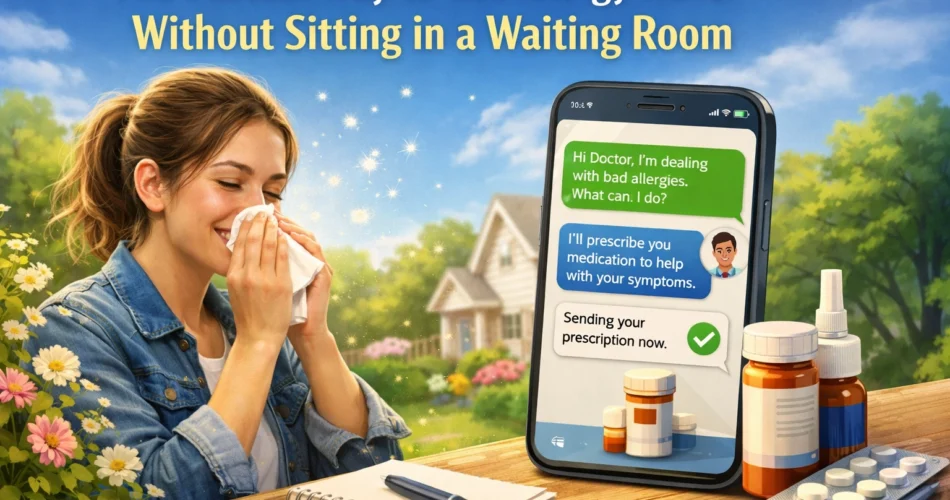
It's 3 PM on a Tuesday. Your nose is running, your eyes are watering, and you can barely stop sneezing long enough to finish a sentence. The last thing you want to do is sit in a crowded waiting room for an hour just to get allergy relief.
Here's the good news: you don't have to.
Whether you're dealing with seasonal allergies, environmental triggers, or year-round symptoms, there are faster ways to get relief than the traditional doctor's office visit. From immediate at-home remedies to connecting with a seasonal allergies online doctor in minutes, this guide will show you exactly how to tackle allergy symptoms quickly and effectively.
Why Allergies Strike Fast (And Why Relief Needs to Be Faster)
Allergies happen when your immune system overreacts to harmless substances like pollen, dust, pet dander, or mold spores. According to the American College of Allergy, Asthma & Immunology, more than 50 million Americans experience allergies each year, making it the sixth leading cause of chronic illness in the U.S.
When allergens enter your system, your body releases histamine: a chemical that causes those miserable symptoms we all know too well: sneezing, itching, congestion, watery eyes, and sometimes even headaches or fatigue.
The traditional approach? Call your doctor, wait days for an appointment, sit in a waiting room with other sick patients, and finally get a prescription. This outdated process can take hours or even days when you need relief now.

Immediate At-Home Allergy Relief Methods
Before we talk about getting prescription help fast, let's cover the quickest at-home remedies that can provide relief in minutes. These methods work best for mild to moderate symptoms and can be incredibly effective.
Saline Nasal Rinse: The Fastest Natural Relief
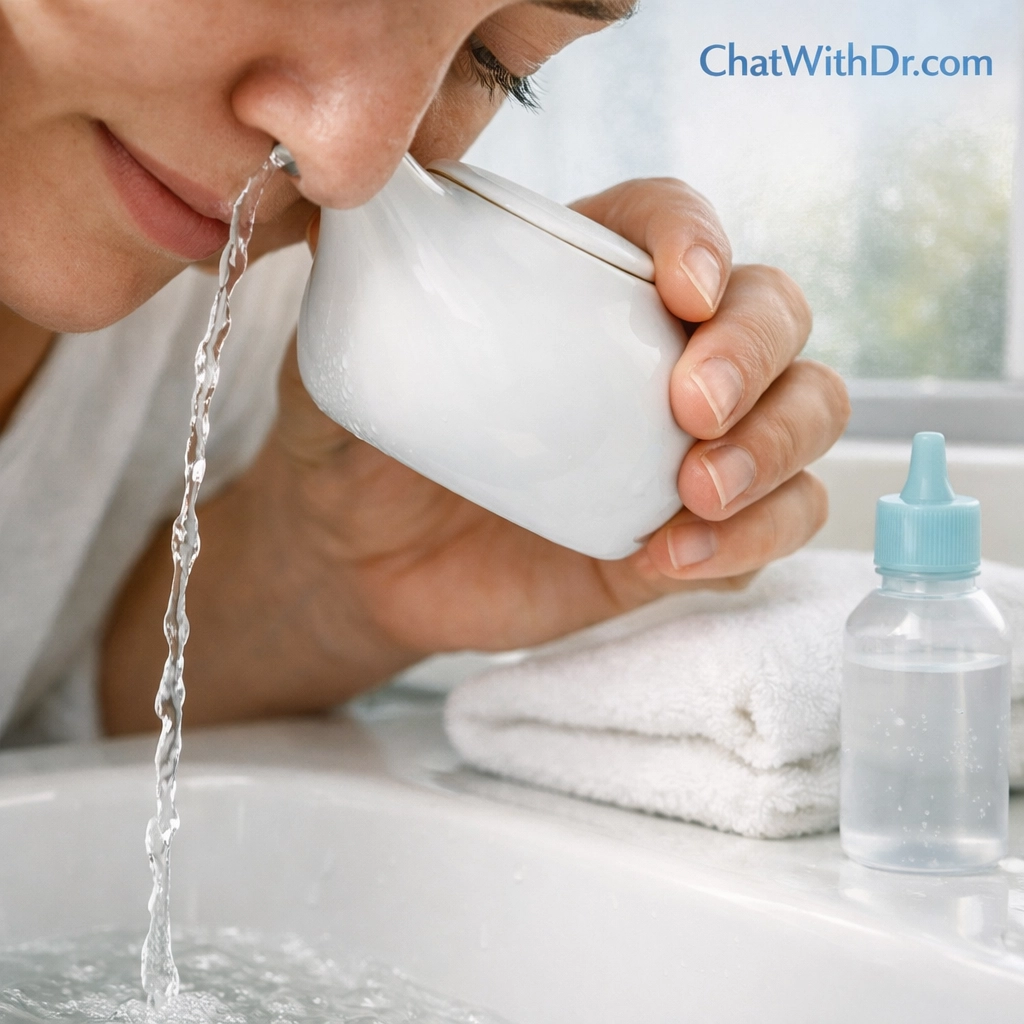
One of the most underrated allergy remedies is also one of the fastest. Saline nasal irrigation can provide symptom relief within minutes by physically washing away pollen and allergens from your nasal passages.
Research published in medical journals shows that saline rinses can be so effective that they may reduce medication needs by up to 30% while achieving the same level of symptom relief. You can use a neti pot, squeeze bottle, or even a simple saline nasal spray.
Here's how to do it:
- Use distilled, sterile, or previously boiled water (never tap water)
- Mix with a saline packet or create your own solution
- Lean over a sink and gently rinse each nostril
- Blow your nose gently afterward
Steam Inhalation: Open Airways in Minutes
Hot steam is another quick fix that opens congested nasal passages almost immediately. You can:
- Take a hot shower and breathe deeply
- Boil water and carefully inhale the steam (keep a safe distance)
- Combine steam with a saline rinse for even faster results
The heat and moisture help reduce inflammation and make it easier to breathe.
Other Quick-Acting Remedies
Saline eye drops work instantly to wash away allergens and soothe irritated eyes. Unlike medicated drops, you can use them as often as needed throughout the day.
Facial tapping is a lesser-known technique that can break up sinus congestion in minutes. Gently tap along your eyebrows, temples, forehead, and the sides of your nose using your fingertips. This percussion method helps drain mucus and reduce pressure.
Staying hydrated helps your body flush out toxins and keeps mucus thin and easier to expel. Drink plenty of water as soon as symptoms start.
When At-Home Remedies Aren't Enough
While these natural methods work well for immediate relief, they're not always sufficient for moderate to severe allergies. That's when prescription medications become necessary: but that doesn't mean you need to waste time in a waiting room.
The Problem with Traditional Doctor Visits for Allergies
Think about what a typical doctor's visit for allergies looks like:
- Scheduling delay: Wait 2-7 days for an available appointment
- Travel time: Drive to the office, find parking
- Waiting room: Sit for 30-60 minutes past your appointment time
- Brief consultation: Spend 10 minutes with the doctor
- Pharmacy trip: Drive to pick up your prescription
The entire process takes hours out of your day: and that's if you can even get an appointment quickly. During peak allergy season, many clinics are booked solid.
For a straightforward condition like seasonal allergies, this process is unnecessarily complicated and time-consuming.
The Faster Alternative: Online Doctors for Allergy Relief
This is where telehealth changes everything. Connecting with a seasonal allergies online doctor means you can get diagnosed and receive prescriptions without leaving your home: often in under an hour from start to finish.
How Text-Based Medical Consultations Work
Unlike video telehealth platforms that require you to be camera-ready and available at a specific time, text-based platforms like ChatWithDr let you chat with doctors on your schedule through secure medical messaging.
Here's the typical process:
- Describe your symptoms through a secure text interface (takes 5-10 minutes)
- Licensed doctors review your case and medical history
- Receive your diagnosis and treatment plan via message
- Get prescriptions sent directly to your preferred pharmacy
No video calls. No waiting rooms. No scheduling appointments weeks in advance. Just fast, professional medical care when you need it.

What Prescription Allergy Medications Can Online Doctors Provide?
A qualified seasonal allergies online doctor can prescribe the same medications you'd get from an in-person visit, including:
Antihistamines
Both over-the-counter and prescription-strength antihistamines work by blocking histamine receptors. While OTC options like cetirizine, fexofenadine, or loratadine take 30-60 minutes to work, prescription antihistamines may be more effective for severe symptoms.
Nasal Corticosteroid Sprays
These prescription sprays are often considered the most effective treatment for nasal allergy symptoms. They reduce inflammation in the nasal passages and work best when used consistently. While they may take a few days to reach full effectiveness, many people notice improvement within 12-24 hours.
Decongestants
Prescription decongestants can provide quick relief for severe nasal congestion. However, they're typically recommended for short-term use only.
Combination Medications
Some prescriptions combine antihistamines with decongestants or other medications for comprehensive symptom relief.
The best part? An online doctor can assess your specific symptoms and medical history to recommend the most effective treatment without requiring you to sit in a waiting room with other allergy sufferers.
Beyond Seasonal Allergies: Other Conditions Treated Online
Text-based telehealth platforms aren't just for allergies. Many common conditions that traditionally required in-person visits can now be diagnosed and treated through secure medical messaging.
If you're also dealing with skin issues, you can connect with an online dermatologist for conditions like:
- Acne: Get acne treatment online with prescription medications including topical retinoids, antibiotics, or oral medications
- Eczema: Receive eczema treatment online with prescription corticosteroid creams, moisturizers, and management strategies
- Rashes: Get diagnosed and treated for allergic reactions, contact dermatitis, and other skin conditions
Other conditions commonly treated through online urgent care include cold and flu symptoms, UTIs, sore throat, and more. The convenience factor is the same across all conditions: fast access to licensed medical professionals without the hassle of traditional appointments.

When to Seek Emergency Care vs. Online Treatment
While online doctors can effectively treat most allergy cases, certain symptoms require immediate emergency attention:
- Difficulty breathing or swallowing
- Severe throat swelling
- Rapid heart rate or dizziness
- Anaphylaxis symptoms (severe allergic reaction)
For these emergency situations, call 911 or go to the nearest emergency room immediately.
For non-emergency allergy symptoms: even severe ones that need prescription medication: an online consultation is perfectly appropriate and significantly faster than a traditional doctor visit.
Tips for Managing Seasonal Allergies Long-Term
Getting immediate relief is important, but preventing symptoms in the first place is even better. Here are strategies recommended by allergists:
Track pollen counts: Check daily pollen forecasts and stay indoors when counts are highest (typically early morning and windy days).
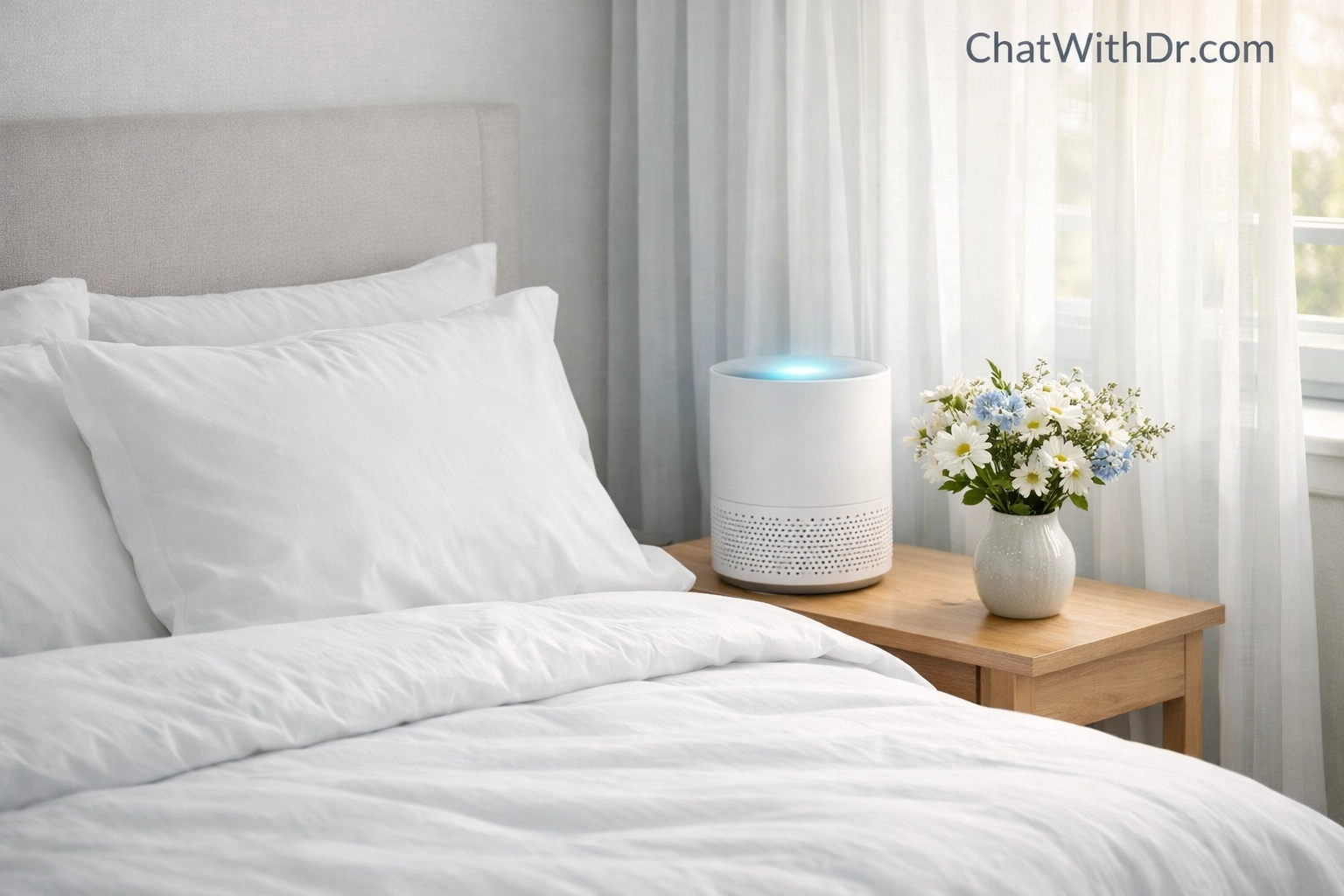
Create an allergen-free zone: Keep your bedroom as allergen-free as possible by using air purifiers, washing bedding in hot water weekly, and showering before bed.
Start medications early: If you know you have seasonal allergies, start taking preventive medications 2-3 weeks before your typical allergy season begins.
Close windows during high pollen days: Use air conditioning instead of opening windows when pollen counts are elevated.
Consider allergy testing: If over-the-counter and prescription medications aren't controlling your symptoms, you may benefit from allergy testing to identify specific triggers. While comprehensive testing typically requires an in-person visit with an allergist, an online doctor can provide initial guidance and referrals.
The Bottom Line on Fast Allergy Relief
You don't need to suffer through hours in a waiting room just to get allergy relief. Between effective at-home remedies for immediate symptom management and fast access to prescription medications through text-based telehealth, you have more options than ever before.
For immediate relief (within minutes), try saline nasal rinses, steam inhalation, and facial tapping techniques. When you need prescription-strength treatment, connect with a seasonal allergies online doctor through platforms like ChatWithDr to get diagnosed and receive prescriptions: all from the comfort of your home.
The waiting room model for routine medical care is outdated. Modern healthcare should be accessible, convenient, and fast. When allergies strike, you deserve relief on your timeline, not when the doctor's office decides to fit you in.
Disclaimer: This information is not a substitute for professional medical advice, diagnosis, or treatment. Always seek the advice of your physician or qualified health provider with questions regarding medical conditions or treatments.
Related posts:
 Seasonal Allergies Getting Worse? Chat With a Doctor Online for Fast Relief
  Online Doctor for Allergies: Fast Diagnosis and Treatment from Home
  Seasonal Allergies Relief Online: Fast Care, No Waiting Room Required
  Seasonal Allergies: Quick Relief, Real Doctors, Try Online Medical Chat (No Video Call Needed)
  Seasonal Allergies? Treat Symptoms Fast With Online Medical Chat