
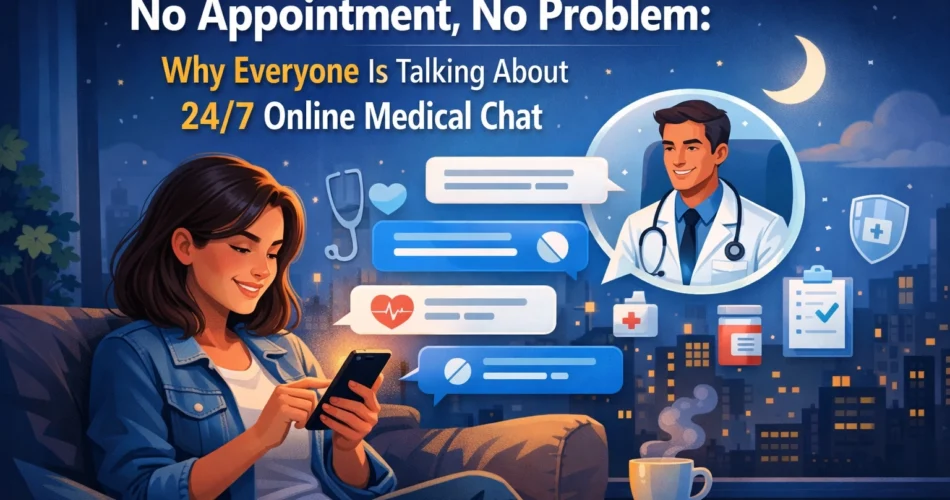
Remember when getting medical advice meant calling your doctor's office, waiting on hold, scheduling an appointment weeks out, taking time off work, sitting in a waiting room, and finally seeing a provider for maybe 15 minutes? Yeah, that system is showing its age.
The healthcare landscape is shifting, and chat with a doctor 24/7 services are leading the charge. These platforms are eliminating the barriers that have long frustrated patients: inflexible scheduling, long wait times, and the hassle of leaving home or work for minor medical concerns. According to recent data, patients can now connect with board-certified doctors in minutes rather than days or weeks: a game-changer for anyone who's ever needed medical advice outside traditional office hours.
Why Everyone's Making the Switch to Online Medical Chat

The appeal of online medical chat isn't just about convenience (though that's a huge part). It's about fundamentally rethinking how we access healthcare. Here's what's driving the conversation:
Instant Access When You Need It Most
Medical issues don't follow a 9-to-5 schedule. That sore throat that wakes you up at 2 AM, the UTI symptoms that start on Saturday morning, or the skin rash you notice during your lunch break: these conditions need attention, but they don't always warrant an emergency room visit.
Traditional urgent care clinics have helped bridge this gap, but they still require you to physically travel, wait in a room with other sick patients, and work around their operating hours. Online urgent care through secure messaging platforms changes this equation entirely. You can text with a licensed physician from literally anywhere, at any time.
No Appointment Required: Really
Perhaps the most revolutionary aspect of modern telehealth is the elimination of appointment scheduling entirely. Platforms that offer 24/7 telehealth doctor access without requiring accounts or appointments are answering a fundamental question: Why should patients wait when qualified doctors are available right now?
This approach particularly resonates with specific groups who've been underserved by traditional healthcare models.
Who Benefits Most from 24/7 Medical Chat?

While anyone can appreciate instant medical access, certain groups are finding these services especially valuable:
Traveling Professionals and Digital Nomads
When you're on the road: whether for business or pleasure: getting sick can derail your entire trip. Finding a doctor in an unfamiliar city, dealing with different healthcare systems, or figuring out urgent care options while traveling adds stress to an already uncomfortable situation.
With 24/7 online medical chat, travelers can consult with U.S. board-certified doctors regardless of their physical location. Dealing with traveler's diarrhea in Mexico? Developed a sinus infection during a work conference? Need to address a UTI while on vacation? You can handle all of these situations through secure text messaging with a licensed physician.
Busy Parents Juggling Multiple Schedules
Parents know the drill: Your child develops symptoms right when you're heading out the door. Do you cancel that important meeting? Pull them from daycare? Wait to see if it gets worse? Rush to urgent care and blow your entire afternoon?
Online medical consultations through secure messaging allow parents to get professional medical guidance while managing their other responsibilities. You can describe symptoms, send photos if relevant, and receive expert advice without bundling sick kids into the car. For common childhood conditions like cold, flu, or COVID symptoms, sore throats, or suspected strep throat, getting quick medical input helps parents make informed decisions about next steps.
Truck Drivers and Long-Haul Workers
The roughly 3.5 million truck drivers in the United States face unique healthcare challenges. Their work keeps them away from home for extended periods, making it nearly impossible to establish care with a regular physician or keep scheduled appointments.
Minor health issues can become major problems when you're on the road with limited access to medical care. A developing urinary tract infection, skin irritation, or respiratory symptoms shouldn't force drivers to compromise their routes or lose income. Text-based medical consultations allow drivers to connect with healthcare providers from truck stops, rest areas, or wherever they park for the night: no waiting rooms required.
What Makes Text-Based Medical Chat Different?

Not all telehealth is created equal. While video consultations have their place, text-based medical messaging offers distinct advantages that many patients prefer:
Privacy and Discretion: Discussing sensitive health concerns like ED treatment, STD testing, or birth control options can feel uncomfortable face-to-face or even on video. Secure text messaging provides a comfortable distance while maintaining professional medical care.
Better Documentation: Written conversations create an automatic record of your consultation. You can refer back to the doctor's instructions, medication information, or follow-up recommendations without trying to remember everything from a verbal conversation.
No Bandwidth Requirements: Unlike video consultations that require strong internet connections, text-based chat works with minimal data. This matters when you're in rural areas, traveling internationally, or dealing with spotty cell service.
Asynchronous Communication: While many patients receive responses within minutes, the text format means you can send information and receive replies without both parties needing to be available simultaneously: helpful when coordinating across time zones or during busy schedules.
Common Conditions Treated Through Online Medical Chat
The scope of conditions treatable through secure medical messaging is broader than many people realize. While serious emergencies always require in-person care, a surprisingly wide range of medical concerns can be effectively addressed through text consultations with licensed physicians:
- Urinary tract infections and bladder concerns
- Upper respiratory infections, colds, and flu
- Sinus infections and congestion
- Allergies and allergic reactions
- Skin conditions including rashes, acne, and eczema
- Pink eye and other eye irritations
- Minor injuries and wound care guidance
- Digestive issues and food sensitivities
- Online prescription refills for ongoing conditions
- Preventive care and wellness consultations
Many platforms also connect patients with specialized care, including online dermatologists for skin conditions and online primary care for ongoing health management.
The Cost Factor: More Affordable Than You Think

Traditional healthcare costs continue rising, with the average urgent care visit costing between $100-200 without insurance. Online medical chat services typically cost significantly less, and some platforms offer consultations to eligible members at no additional cost.
Beyond the direct consultation fees, consider the hidden costs you avoid: no gas money driving to appointments, no parking fees, no childcare expenses while you visit the doctor, and no lost wages from taking time off work. For families managing chronic conditions requiring frequent check-ins, these savings add up quickly.
No Account, No Problem: Eliminating Barriers to Care
One of the most frustrating aspects of traditional healthcare: and even some telehealth platforms: is the administrative burden. Creating accounts, filling out extensive forms, verifying insurance, and navigating patient portals all create friction between you and medical care.
Platforms offering chat with a doctor 24/7 without requiring account creation recognize that when you need medical advice, you need it now: not after completing 20 minutes of paperwork. This no-barrier approach means:
- No passwords to remember or reset
- No forms to complete before accessing care
- No insurance verification delays
- No waiting for account approval
You simply describe your symptoms, connect with a licensed physician, and receive professional medical guidance. It's healthcare designed around patient needs rather than administrative convenience.
The Future of Healthcare Access
The shift toward 24/7 online medical chat reflects broader changes in how we think about healthcare delivery. Research shows that telehealth usage increased dramatically during the pandemic and has remained elevated as patients discovered its convenience and effectiveness.
This isn't about replacing traditional in-person care: comprehensive physical exams, surgical procedures, and complex diagnoses still require face-to-face medical attention. Instead, it's about creating a more complete healthcare ecosystem where patients can access the right level of care for their specific needs.
Minor concerns that once went untreated or unnecessarily clogged emergency rooms can now be addressed quickly through secure text consultations. This frees up in-person medical resources for situations where they're truly needed while ensuring patients don't delay seeking care for treatable conditions.
Getting Started Is Simple
If you're ready to experience the convenience of online medical chat, getting started typically takes just minutes. Look for platforms offering 24/7 telehealth doctor access with board-certified physicians, secure messaging, and transparent pricing.
The next time you're dealing with a medical concern: whether it's 3 PM or 3 AM, whether you're home or traveling, whether you have insurance or not: remember that qualified medical help is available right in your pocket. No appointment necessary, no problem.
Healthcare should fit into your life, not the other way around. That's why everyone's talking about 24/7 online medical chat: because it finally makes that possible.
Disclaimer: This information is not a substitute for professional medical advice, diagnosis, or treatment. Always seek the advice of your physician or qualified health provider with questions regarding medical conditions or treatments.
Related posts:
 Best Telemedicine Platforms: best telemedicine platforms for 2025
  The 7 Best Online Doctor Services of 2025: A Detailed Review
  Why Everyone Is Switching to Online Medical Chat (And Why You Should Too)
  Why Everyone Is Talking About Discreet Sexual Health Chats (And You Should Too)
  Can’t Get a Primary Care Appointment? Chat With a Doctor 24/7 Instead