
Introduction to Digital Healthcare Transformation
Imagine being able to consult with a healthcare professional from the comfort of your home, avoiding long wait times in crowded clinics and cutting down on travel costs. This vision is fast becoming reality through advancements in online medical assistance, a field that blends convenience, technology, and patient-centered care. As healthcare systems worldwide face growing demand and workforce challenges, virtual solutions are proving to be both timely and powerful.
Why Virtual Care Matters Now
Across the healthcare landscape, telemedicine usage has surged—with global online consultations exceeding 116 million by 2024, doubling from 2019 market.biz. In the U.S., projections indicate that by the end of 2026, up to 30% of all medical visits could take place virtually medicaleconomics.com. This shift is supported by hospitals ready to deliver remote care, patients eager for accessible services, and technologies that make virtual treatment increasingly seamless.
Demonstrated Impact and Real-World Examples
Telehealth isn’t just convenient—it’s effective. A multi-site randomized trial involving 1,250 advanced lung cancer patients found that those receiving palliative care via telehealth had quality-of-life outcomes equivalent to in-person visits medicine.yale.edu. In rural settings, virtual stroke programs have saved critical minutes: one initiative reduced door-to-treatment time by 41 minutes across 51 rural hospitals healthcareplus24.com. Services like First Derm exemplify how specialized care can be delivered at scale; this dermatology-focused platform has handled over 300,000 cases across more than 160 countries en.wikipedia.org.
What’s Driving the Virtual Care Revolution
Multiple factors converge to fuel the expansion of digital health. Technological readiness is now widespread—nearly 80% of U.S. hospitals had telehealth infrastructure by early 2024 medicaleconomics.com. Patients, particularly in rural or underserved areas, are embracing virtual care; more than 70% of rural residents now use telehealth services market.biz. Meanwhile, efficiencies such as reduced no-show rates and lower overhead costs enhance its appeal to providers.
By weaving together evidence-based benefits, patient-centered use cases, and infrastructure readiness, virtual healthcare is reshaping the way services are delivered. In the following sections, we’ll explore how organizations and professionals can navigate this evolving landscape, optimize virtual offerings, and deliver impactful outcomes for diverse populations.
Enhancing Access and Efficiency Through Online Medical Assistance
Expanding Reach with Telehealth
In recent years, telehealth has emerged as a cornerstone for increasing access to care. By 2022, over 40% of U.S. adults with at least one healthcare visit leveraged telemedicine services—whether video or audio-only—even when in-person options were available jamanetwork.com. Remarkably, among adults managing chronic conditions such as diabetes, nearly half reported using telehealth in the last year, with comparable quality-of-care perceptions to those receiving in-person treatment pubmed.ncbi.nlm.nih.gov. These patterns indicate that virtual care not only expands reach but can sustain patient satisfaction across diverse needs. Integrating online medical assistance into service models ensures that routine and chronic care becomes more flexible, accessible, and patient-centered.
Improving Specialist Collaboration with E-Consults
Asynchronous specialty consultations—or e‑consults—allow primary care providers to seek specialist input without scheduling a face-to-face visit. Mayo Clinic estimates that this approach can avoid approximately 1,800 specialty consultations annually, saving an estimated $450,000 in direct costs en.wikipedia.org. Additionally, response times are dramatically reduced: e‑consults typically take only 1 day and 6 hours versus 7 days and 20 hours for traditional referrals en.wikipedia.org. In safety-net settings such as San Francisco General Hospital, 60% of primary care providers reported improved access for non‑urgent issues, and over half observed shorter wait times for scheduling specialist visits en.wikipedia.org. By embedding this capability into their workflows, care organizations deliver faster specialist input and more seamless coordination.
Streamlining Communication with Patient Portals
Patient portals serve as an essential interface for secure bidirectional communication, appointment scheduling, prescription refills, and accessing test results. A 2025 scoping review demonstrated that patient-initiated secure messaging through portals correlates with improved efficiency and better care experiences en.wikipedia.org. Hospitals that leverage these portals allow patients to submit queries and manage administrative tasks digitally, reducing unnecessary phone calls or in-clinic visits. Coupled with e‑prescribing systems that reduce medication errors by up to 30% and promote adherence en.wikipedia.org, these tools create a more streamlined, safer, and patient-friendly care delivery environment.
Together, these approaches illustrate how integrating secure messaging, e‑consults, and e‑prescribing technologies can significantly elevate both provider efficiency and patient satisfaction. The thoughtful incorporation of online medical assistance into everyday workflows yields measurable improvements in access, cost, and quality—laying the groundwork for the further optimization explored in our next section.
The Advantages of Online Medical Assistance
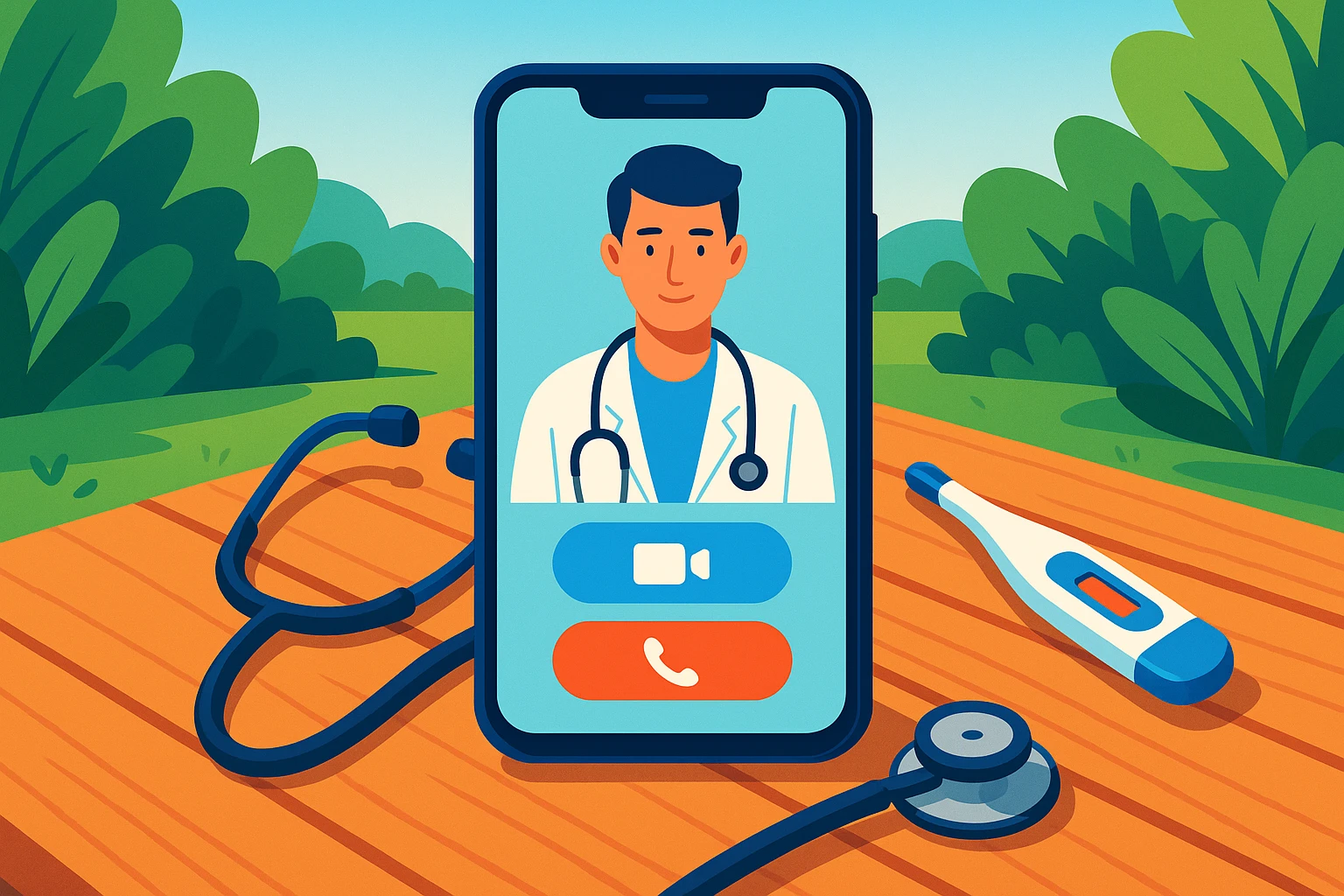
As technology continues to advance, online medical assistance is transforming the way patients access healthcare. One of the most significant advantages is the increased accessibility for individuals living in remote or underserved areas. Previously, patients in such regions struggled to obtain timely medical care due to geographical constraints. With online platforms, they can now reach specialists and receive diagnoses from the comfort of their homes.
Moreover, online medical assistance offers the convenience of 24/7 access to healthcare professionals. This round-the-clock availability is particularly beneficial for patients with chronic conditions who require continuous monitoring. For example, diabetics can regularly consult with healthcare providers to manage their condition more effectively. In contrast to traditional healthcare settings, online consultations eliminate long waiting times, enabling swift and efficient medical support.
Cost-Effectiveness and Efficiency
Online medical assistance is not only about accessibility; it also proves to be cost-effective. Patients often find that virtual consultations reduce hospital visits, thus lowering travel expenses and minimizing time off work. A study conducted by the American Medical Association found that telemedicine could potentially save U.S. healthcare systems approximately $6 billion annually by cutting down on transportation and in-person visits (AMA Study).
The efficiency of online platforms is another compelling factor. Platforms like ChatWithDr streamline the consultation process by offering user-friendly interfaces and quick connection to healthcare providers. These platforms are designed to enhance patient experience by simplifying appointment scheduling and integrating electronic medical records for more personalized care.
Privacy and Patient Comfort
An often overlooked advantage of online medical assistance is the enhanced privacy it provides. Many patients feel more comfortable discussing sensitive health issues from their homes rather than in a conventional clinic setting. This comfort can lead to more open communication between patients and healthcare providers, ultimately resulting in higher quality care.
In conclusion, the evolution of online medical assistance is reshaping healthcare by offering accessible, efficient, and private medical consultations. As more patients and providers turn to these digital solutions, the healthcare landscape is poised for significant positive change, making quality medical care more attainable than ever.
Enhancing Outcomes Through Effective Implementation
Building on the growing landscape of digital health, integrating structured strategies into online medical assistance initiatives can markedly improve patient outcomes. For example, a systematic review found that telehealth reduced average all-cause hospital days by approximately 1.07 days per patient and decreased condition-specific hospital stays by 89%—highlighting its efficiency and potential to ease hospital burdens Alakeel et al., PubMed.
Managing Chronic Conditions with Remote Monitoring
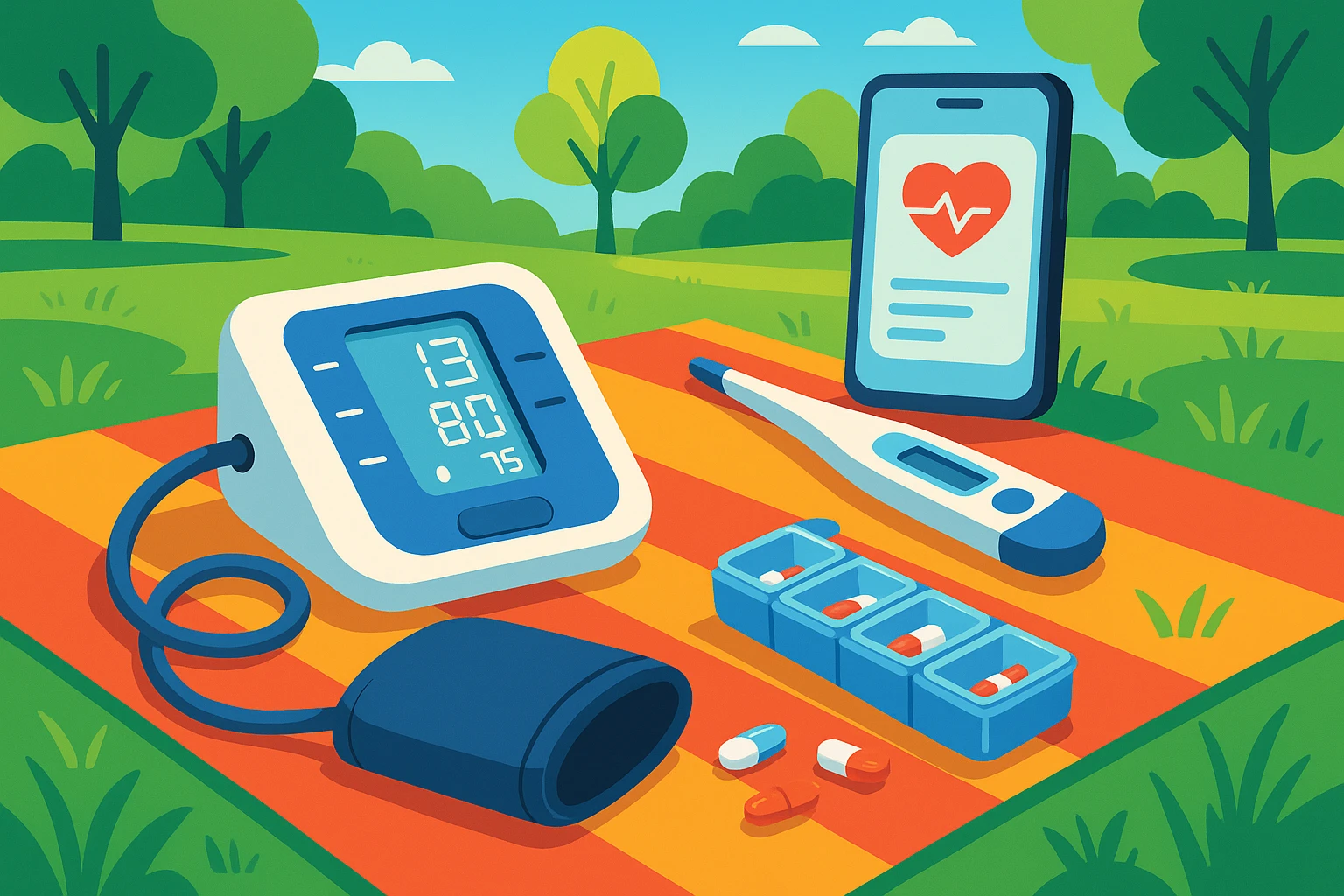
A pilot program in rural California utilized connected blood pressure and glucose monitors, tablets, and health coaching to support patients with hypertension and diabetes. Over six months, participants saw an average systolic blood pressure drop of 20.24 points and an average reduction of 3.85 points in diabetic measures—demonstrating how remote monitoring within coordinated care models can yield clinically significant improvements Kim et al., arXiv.
Telehealth in Palliative and Post-Surgical Care
In palliative settings, high-quality trials have shown telehealth to be just as effective as traditional in-person care in enhancing quality of life among patients with serious illnesses. One study of 1,250 advanced lung cancer patients across 22 U.S. sites found virtually delivered care maintained equivalent outcomes to face-to-face interactions Yale School of Medicine. Additionally, technologies that merge telehealth with extended reality have improved adherence and accuracy in home-based rehabilitation for hip and knee replacement patients, emphasizing the value of real-time feedback in patient engagement and recovery Conroy et al., arXiv.
Addressing Disparities and Ensuring Equity
Despite clear benefits, disparities in access still hinder equitable use of online solutions. A study of telehealth during the COVID-19 pandemic found that individuals with lower socioeconomic status, limited English proficiency, or lower health literacy were less likely to report high-quality telehealth experiences, underscoring the need for inclusive design and tailored outreach Yoon et al., JAMIA Open. Strategies such as multilingual support, user-friendly interfaces, and support for patient activation can help close these gaps.
Ultimately, layering clinical evidence with human-centered design and inclusive policy can elevate online medical assistance into a transformative, equitable, and efficient mode of care.
Conclusion: Embracing the Future of Healthcare
In summary, the shift to online medical assistance is undeniably transforming the way we access healthcare today. By embracing digital solutions, patients can receive timely diagnoses, manage chronic conditions more effectively, and even increase the frequency of their consultations without the geographical and logistical constraints of traditional healthcare systems. This digital transformation is particularly beneficial in medically underserved areas, where access to healthcare professionals is limited.
The importance of integrating technology with healthcare cannot be overstated. Consider the example of telemedicine’s rapid adoption, which has enabled healthcare providers to offer services during challenging times, such as the COVID-19 pandemic. According to a report by McKinsey & Company, telehealth usage has stabilized at levels 38 times higher than before the pandemic, illustrating its growing acceptance and reliance.
However, there are challenges to address, including data privacy and ensuring the quality of care provided online. It is essential that both patients and healthcare providers adhere to stringent data protection regulations. By choosing reliable platforms and applications that are compliant with these regulations, users can mitigate these risks and enjoy the full benefits of online medical assistance.
For those looking to take advantage of online medical assistance, it’s crucial to begin with trusted and reliable platforms. By doing so, you ensure that the healthcare you receive is both effective and secure. One such resource to consider is ChatWithDr, which offers comprehensive support and personalized care solutions that can be easily adapted to suit individual needs. Engaging with experts through such platforms will not only enhance your healthcare journey but also empower you with knowledge and support tailored to your unique health profile.
As we move forward, technological advancements in healthcare will continue to open doors to innovative treatment options and closer doctor-patient interactions. By staying informed and actively participating in this digital transformation, patients can take control of their health in ways previously unimaginable. Dive into the realm of online medical assistance and explore how it can work for you, ensuring a healthier and more convenient future.
Article Generated by Soogle
Related posts:
 The Comprehensive Guide to Virtual Medical Consultations Harnessing the Power of Digital Health Support: A Comprehensive Guide Digital Doctor Advice: A Comprehensive Guide for Modern Healthcare
  The Ultimate Guide to Virtual Doctor Visits: Navigating Your Online Healthcare Journey
  Your Guide to Virtual Urgent Care Online Doctor Visits