
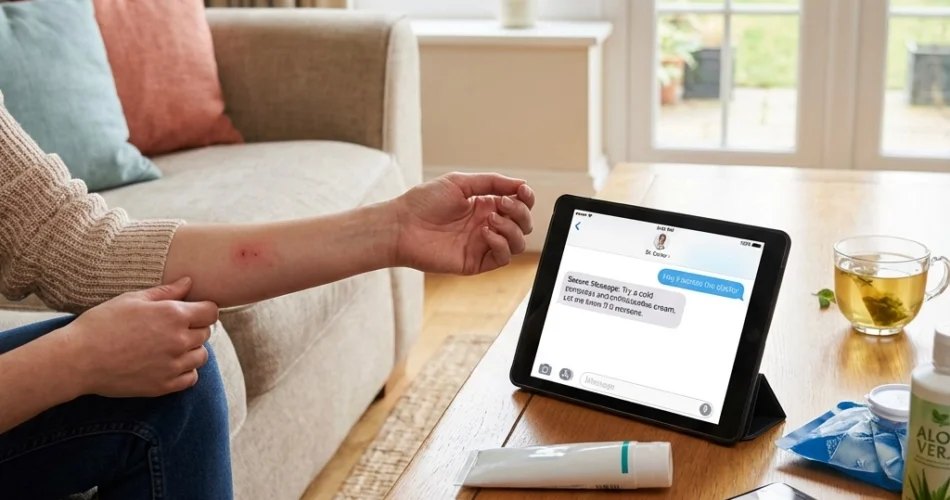
When you notice an itchy bump or painful swelling on your skin, determining whether you've been bitten or stung can make all the difference in getting the right treatment. Understanding the distinction helps you respond appropriately and know when professional medical guidance is needed.
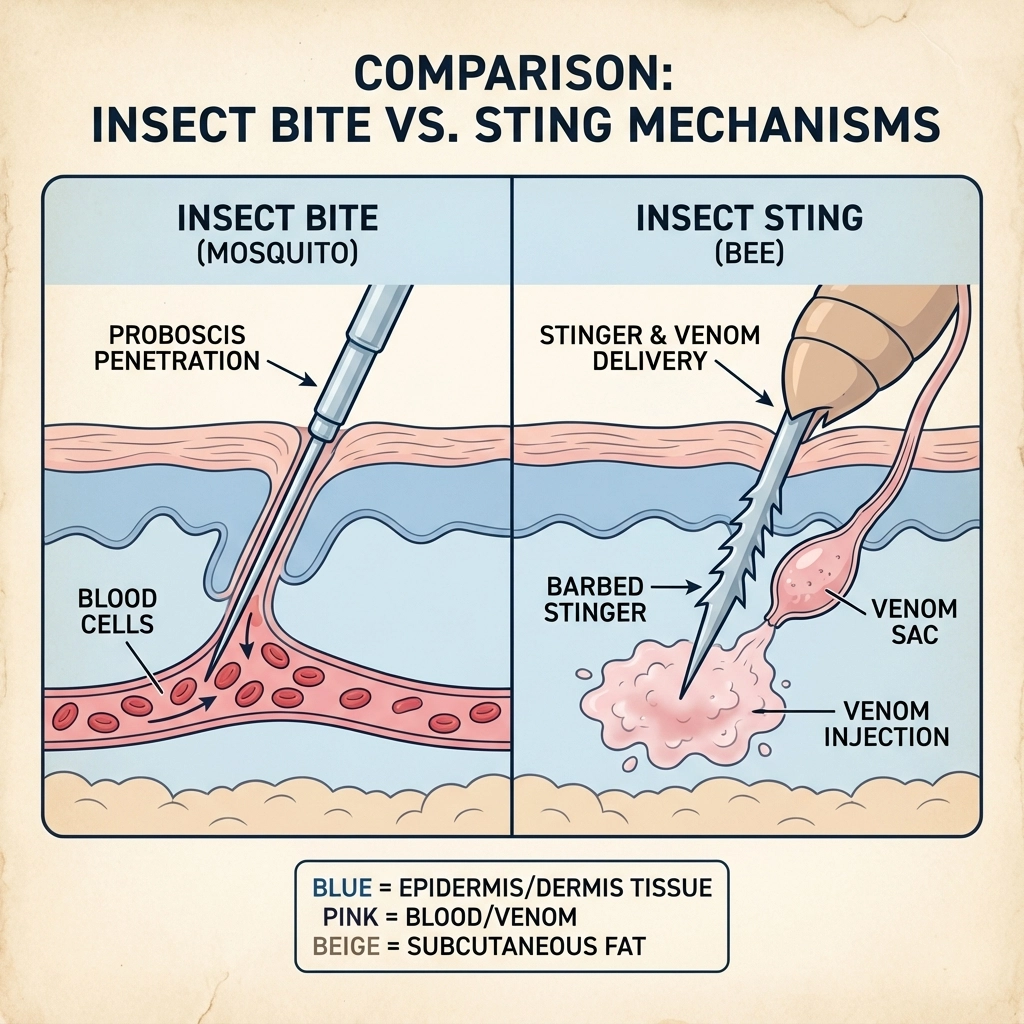
A bite occurs when an insect uses its mouth to break your skin, typically to feed on your blood. Common examples include mosquitoes, fleas, and bedbugs. A sting, on the other hand, happens when an insect pierces your skin with a specialized body part to inject venom, usually as a defense mechanism. Bees, wasps, and fire ants are typical stinging insects.
Identifying What Got You
Different insects leave distinct calling cards on your skin, making identification easier once you know what to look for.
Mosquito Bites
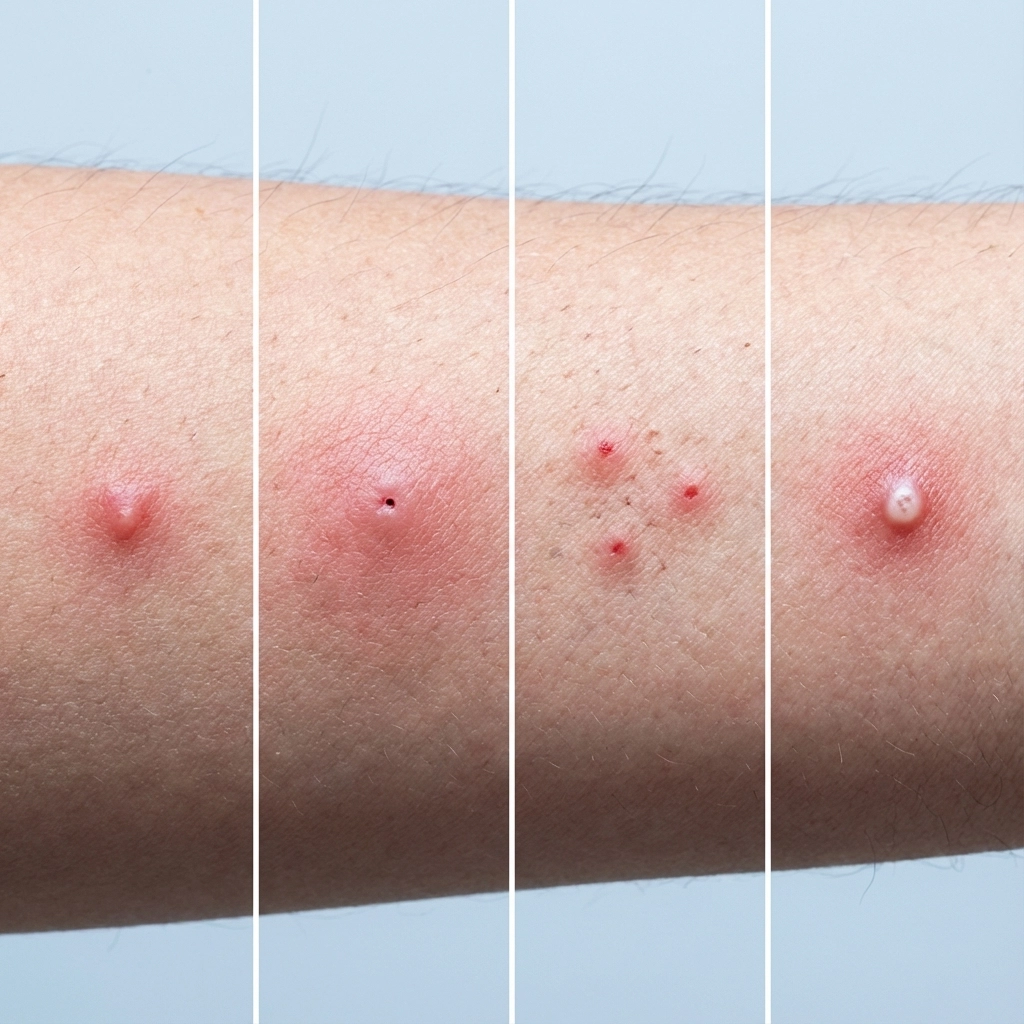
These appear as small, round, puffy bumps that quickly become red and itchy. You'll often find multiple bites clustered together, especially on exposed areas like arms and legs. The itching typically peaks within hours and gradually subsides over several days.
Bee Stings
A bee sting creates immediate sharp pain followed by localized swelling, redness, and throbbing. Honeybees leave their barbed stinger behind, which you'll need to remove carefully. The area may remain tender and swollen for several days.
Wasp and Yellow Jacket Stings
These create intense, burning pain that's often more severe than bee stings. Unlike bees, wasps can sting multiple times. The affected area typically develops significant swelling, redness, and may form a raised welt.
Fire Ant Stings
Fire ants create clusters of small, painful stings that burn intensely. Within 24 hours, these develop into characteristic white, pus-filled blisters. The burning sensation can persist for hours.
Spider Bites
Most spider bites appear as single, inflamed spots that may show two small puncture marks. While most spider bites are harmless, they tend to be more inflamed than typical insect bites and may develop into small ulcers.
Flea and Bedbug Bites
These appear in distinctive patterns – often called "breakfast, lunch, and dinner" – because these insects bite multiple times in a row as they crawl across your skin. Flea bites typically cluster around ankles and feet, while bedbug bites often appear on exposed skin during sleep.
Immediate Treatment Steps
Quick action can significantly reduce discomfort and prevent complications from bug bite treatment online consultations becoming necessary.
First 30 Minutes:
- Clean the area with soap and warm water to prevent infection
- Remove any stinger if present (scrape it out with a credit card edge rather than tweezers to avoid squeezing more venom)
- Apply cold – use ice wrapped in a thin cloth for 10-15 minutes to reduce swelling and numb pain
Next Few Hours:
- Monitor for signs of allergic reaction
- Apply topical treatments as needed
- Avoid scratching to prevent secondary infection
Effective Home Remedies
Several over-the-counter treatments can provide significant relief for most bug bites and stings:
Antihistamines like Benadryl (diphenhydramine) or Claritin (loratadine) help reduce itching, swelling, and allergic reactions. Take according to package directions.
Topical corticosteroids such as hydrocortisone cream can reduce inflammation and itching when applied directly to the affected area.
Pain relievers including ibuprofen or acetaminophen help manage pain and reduce inflammation from stings.
Natural remedies that many find helpful include:
- Cold compresses for immediate relief
- Calamine lotion for drying out weeping bites
- Aloe vera gel for its cooling, anti-inflammatory properties
- Oatmeal baths for widespread itching
Red Flag Symptoms: When to Seek Emergency Care
While most bug bites and stings cause only minor discomfort, certain symptoms require immediate medical attention. These warning signs indicate a severe allergic reaction (anaphylaxis) or other serious complications:
Seek emergency care immediately if you experience:
- Trouble breathing or shortness of breath
- Swelling of lips, tongue, or throat
- Widespread rash or hives beyond the bite/sting site
- Rapid pulse or dizziness
- Severe nausea or vomiting
- Loss of consciousness
- Difficulty speaking or swallowing
Other concerning symptoms include:
- Signs of infection: increasing redness, warmth, pus, or red streaking from the bite
- Bites that worsen significantly after 24-48 hours
- Fever developing after a bite or sting
- Multiple stings (more than 10-15) even without allergic symptoms
These symptoms can develop within minutes or up to several hours after being bitten or stung.
How ChatWithDr Can Help
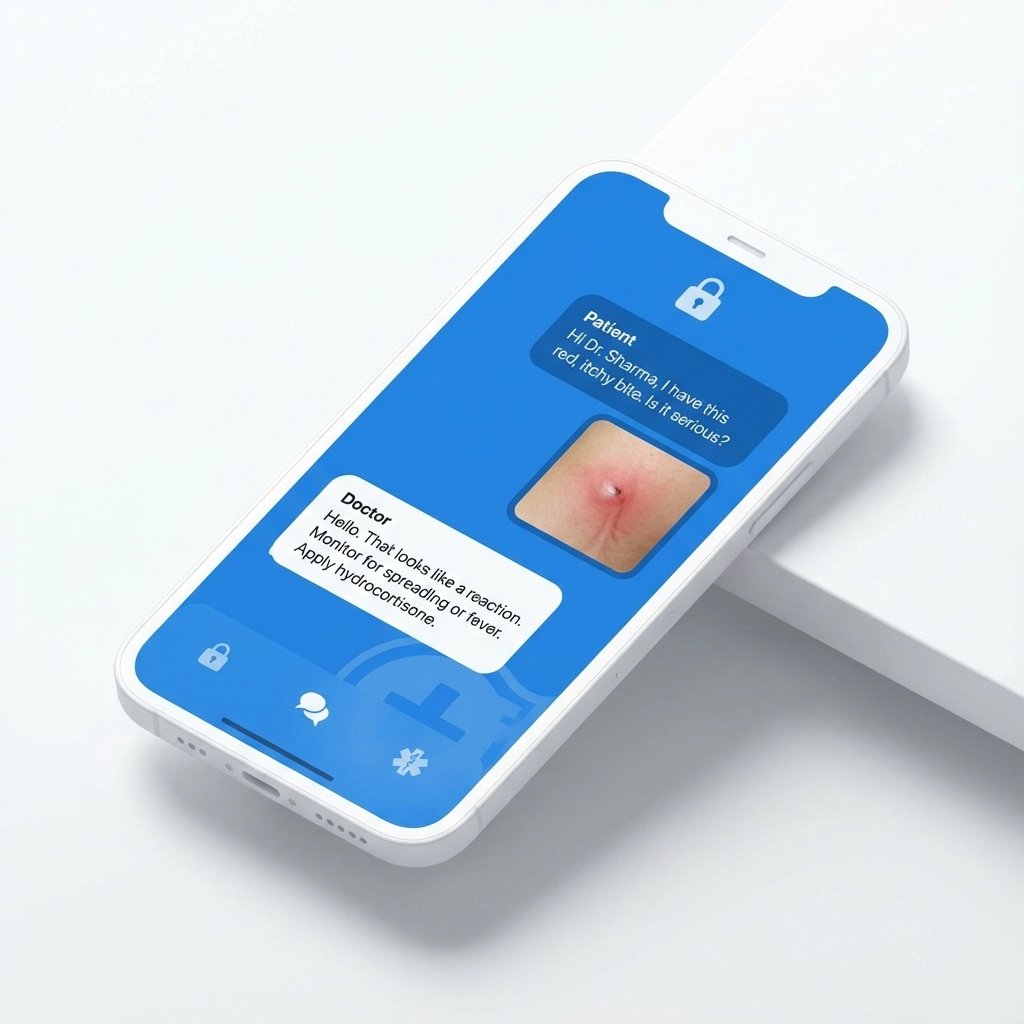
When you're dealing with concerning bug bite symptoms but don't need emergency care, getting professional medical guidance shouldn't mean waiting in urgent care for hours. Chat with doctor about bug bites through ChatWithDr's secure text-based platform.
Our simple three-step process:
- Describe your symptoms through our secure messaging system – upload photos of the affected area and share your symptom timeline
- Connect with a licensed physician who specializes in dermatological conditions and urgent care needs
- Receive personalized treatment recommendations including prescription options when appropriate, all delivered through secure medical messaging
Our licensed doctors can help with online diagnosis bug bite sting concerns, recommend appropriate treatments, and determine if you need in-person care. The telemedicine for stings approach is particularly valuable when you need guidance about whether symptoms warrant emergency attention.
Book a consultation now to get expert medical advice about your bug bite or sting symptoms.
Prevention Strategies
While treating bites and stings is important, prevention remains your best defense:
Outdoor protection:
- Use EPA-approved insect repellents containing DEET, picaridin, or oil of lemon eucalyptus
- Wear long sleeves and pants when hiking or in heavily wooded areas
- Avoid wearing bright colors or strong fragrances that attract insects
- Stay away from areas where stinging insects nest
Home protection:
- Eliminate standing water where mosquitoes breed
- Keep food covered during outdoor activities
- Check for and seal entry points where insects might enter your home
- Consider professional pest control for severe infestations
Frequently Asked Questions
Q: Can I treat most bug bites at home, or do I need to see a doctor?
A: Most bug bites and stings can be effectively managed at home with over-the-counter treatments like antihistamines, hydrocortisone cream, and cold compresses. However, you should consult a healthcare provider through online medical chat if you experience signs of infection (increasing redness, warmth, pus), if symptoms worsen after 48 hours, or if you develop systemic symptoms like fever. Text-based telehealth for bug bites through platforms like ChatWithDr allows you to get professional guidance without leaving home, making it easier to determine if your symptoms require prescription treatment or further evaluation.
Q: How do I know if I'm having an allergic reaction that needs immediate attention?
A: Watch for symptoms beyond the bite site: difficulty breathing, swelling of your face or throat, widespread hives, rapid heartbeat, dizziness, or nausea. These indicate anaphylaxis and require emergency care immediately. Less severe but still concerning signs include bites that continue spreading, develop pus, or cause fever. When in doubt, urgent care for bug bites consultation through telemedicine can help you assess whether your symptoms warrant emergency treatment or can be managed with prescription medications and close monitoring.
Getting Professional Help When You Need It
While many bug bites resolve with home treatment, don't hesitate to seek professional medical advice when symptoms concern you. Whether you need guidance on treatment options, help identifying an unusual bite, or assessment of potential complications, accessing medical care shouldn't be complicated.
ChatWithDr's online urgent care platform connects you with licensed physicians who can evaluate your symptoms through secure medical messaging. Our doctors can prescribe treatments when appropriate, help you understand when emergency care is needed, and provide ongoing monitoring for concerning symptoms.
For comprehensive healthcare needs beyond urgent concerns, explore our online primary care services or browse our full range of telehealth services available 24/7.
Remember, when it comes to bug bites and stings, quick appropriate treatment can prevent complications and get you back to feeling comfortable faster. Trust your instincts – if something doesn't feel right, professional medical guidance is just a message away.
Related posts:
 Bug Bite or Sting? How to Get Text-Based Doctor Help Fast (No Waiting Rooms)
  Bug Bites & Stings: How to Get Expert Online Care Fast (and When to Go to the ER)
  Online Bug Bite & Sting Treatment: Fast Relief With Text-Based Telehealth
  Text a Doctor for Bug Bites & Stings: Fast Online Relief, No Appointment Needed
  Treat Bug Bites and Stings Online, 24/7 Medical Chat, No Waiting Rooms