
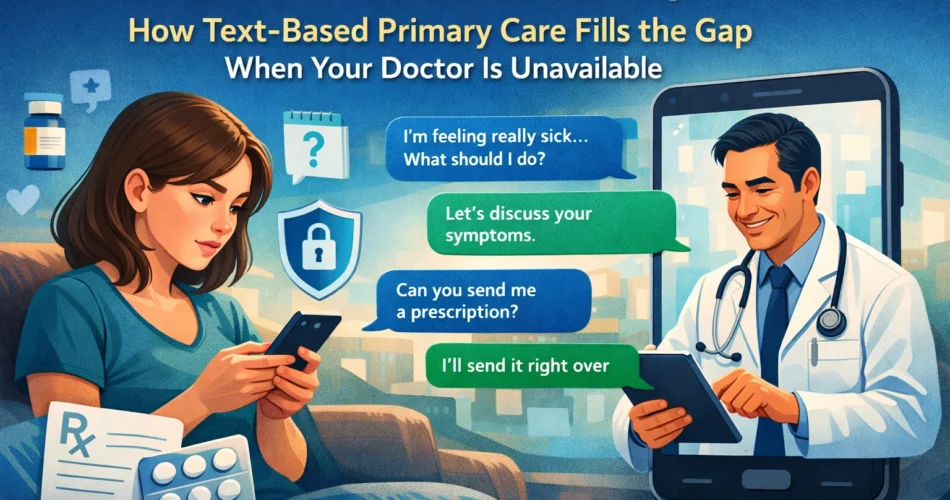
It's 9 PM on a Thursday, and you're experiencing symptoms that can't wait until Monday's appointment with your primary care doctor. Or maybe it's Tuesday afternoon, but your doctor's schedule is booked solid for the next three weeks. You need medical advice, possibly a prescription refill, and you need it now: but you don't want to spend hours in an urgent care waiting room for something that doesn't require a face-to-face visit.
This scenario plays out thousands of times every day across the country. Traditional primary care, while essential, operates on a schedule that doesn't always align with when patients actually need help. That's where text-based 24/7 medical chat is changing how Americans access primary care.
The Primary Care Availability Problem
The U.S. primary care system faces significant access challenges. According to the Association of American Medical Colleges, the United States could see a shortage of up to 48,000 primary care physicians by 2034. Even with an existing primary care doctor, the average wait time for an appointment is now over 26 days in many metro areas.
These barriers create gaps in care that affect health outcomes. Patients delay getting prescriptions refilled. They live with treatable symptoms longer than necessary. They end up in emergency rooms for conditions that could have been managed through simple online medical chat with a licensed physician.

When You Can't Reach Your Primary Care Doctor
There are countless situations where you need medical guidance but your primary care physician isn't available:
Outside Business Hours: Medical issues don't restrict themselves to Monday through Friday, 9 AM to 5 PM. Infections, allergic reactions, digestive issues, and other common health concerns frequently arise in the evenings and on weekends.
Between Scheduled Appointments: When you're managing a chronic condition or recovering from an illness, questions arise between your regular appointments. Waiting weeks for a 15-minute follow-up visit to address a simple concern creates unnecessary anxiety and delays in care.
Medication Refills: Running low on a maintenance medication shouldn't require a three-week wait for an appointment. Yet many primary care offices require an in-person visit before authorizing refills, even for medications you've been taking consistently.
Second Opinions and Clarification: Sometimes you need to discuss test results, clarify instructions from a previous visit, or get a second opinion on a treatment approach. Your primary care doctor may not have availability for these shorter consultations.
Minor Acute Issues: Conditions like UTIs, sinus infections, pink eye, or minor rashes often don't warrant an emergency room visit but do require prompt medical attention and potentially a prescription.
How Text-Based 24/7 Care Bridges These Gaps
Text-based primary care through platforms like ChatWithDr offers a fundamentally different approach. Rather than scheduling video appointments or waiting on hold for phone consultations, you can chat with a doctor 24/7 through secure medical messaging: similar to texting but with HIPAA-compliant security.
This model addresses several key pain points in traditional healthcare delivery:
No Waiting Rooms, No Waiting Period
Unlike video-based telehealth that still requires scheduling and virtual "waiting rooms," text-based care lets you start a conversation with a licensed physician immediately. You don't need to arrange your schedule around an appointment time or wait in a digital queue.
The asynchronous nature of secure messaging means you can describe your symptoms in detail at your own pace. Doctors review your information and respond promptly, often within minutes. This creates a more natural dialogue that fits into your life rather than disrupting it.

No Account Creation Required
Many telehealth platforms require you to create an account, input insurance information, and navigate complex registration processes before you can even describe your symptoms. When you're not feeling well or need quick medical guidance, these barriers feel especially frustrating.
Text-based platforms can eliminate these obstacles entirely. You access care when you need it without the administrative burden of account setup. This "no account required" approach removes friction from the healthcare experience and gets you to a doctor faster.
Prescription Management Made Simple
One of the most practical applications of online medical chat is managing prescriptions. If you need a refill for birth control, antibiotics for a recurring infection, or medication for a chronic condition, text-based care provides a straightforward solution.
Through secure messaging, a physician can review your medical history, current symptoms, and medication needs. If appropriate, they can send prescriptions directly to your preferred pharmacy: often the same day. This eliminates unnecessary office visits for routine prescription management.
The Distinct Advantages of Text Over Video or Phone
While video and phone-based telehealth serve important purposes, text-based medical chat offers unique benefits that make it ideal for bridging primary care gaps:
Detailed Documentation: When you chat with a doctor 24/7 via text, you create a written record of your symptoms, questions, and the physician's guidance. This documentation helps ensure you don't forget important information and provides a reference you can review later.
Time to Think: Text conversations don't require immediate responses. You can take time to accurately describe symptoms, gather information about medications you're taking, or formulate questions. This often results in more complete and accurate medical histories.
Reduced Anxiety: Some patients feel more comfortable discussing sensitive health concerns through secure messaging rather than face-to-face video. Text-based consultations can encourage more honest and thorough communication about conditions like erectile dysfunction, bacterial infections, or other personal health matters.
Multitasking-Friendly: You can engage in a medical consultation while managing other responsibilities. This flexibility is particularly valuable for working parents, caregivers, or anyone with a busy schedule who can't dedicate a solid 15-30 minutes to a scheduled video appointment.

Common Use Cases for 24/7 Text-Based Care
Understanding when text-based primary care makes the most sense helps patients make informed decisions about accessing healthcare. Here are scenarios where this model excels:
Acute But Non-Emergency Conditions
UTIs, yeast infections, pink eye, minor skin rashes, sinus infections, and migraine headaches are all conditions that require prompt treatment but don't necessitate an in-person examination. A licensed physician can diagnose and prescribe appropriate treatment through detailed symptom discussion and medical history review.
Chronic Disease Management Between Visits
If you're managing diabetes, hypertension, or another chronic condition, you may need guidance between scheduled appointments with your primary care doctor. Text-based care allows you to ask questions about medication adjustments, discuss concerning symptoms, or get advice about lifestyle modifications without waiting weeks for your next appointment.
Prescription Refills and Renewals
Running out of medications for hair loss, hormonal treatments, or other maintenance prescriptions shouldn't require scheduling an appointment weeks in advance. Through secure medical messaging, physicians can review your treatment history and authorize refills when clinically appropriate.
Second Opinions and Care Coordination
When you receive confusing information or want to verify a treatment recommendation, text-based access to another licensed physician provides peace of mind. This is especially valuable when your primary care doctor's office hasn't returned your calls or you're struggling to understand complex medical information.
Travel and Access Issues
Whether you're traveling for work, living in a rural area with limited healthcare access, or temporarily unable to reach your regular provider, 24/7 text-based care ensures continuity. You maintain access to qualified medical advice regardless of your location.
How Text-Based Primary Care Works
The process of chatting with a doctor 24/7 through secure messaging is straightforward:
Describe Your Symptoms: You provide detailed information about what you're experiencing, when symptoms started, any relevant medical history, and current medications.
Licensed Physician Review: A board-certified physician reviews your information. Unlike automated symptom checkers, you're communicating with a real doctor who can ask follow-up questions and apply clinical judgment.
Medical Guidance: The physician provides diagnosis, treatment recommendations, and answers your questions through secure messaging.
Prescription if Appropriate: If your condition requires medication and the physician determines it's clinically appropriate, they can electronically send a prescription to your pharmacy of choice.
Follow-Up Available: You can continue the conversation if you have additional questions or if your symptoms change, ensuring continuity of care.
This model complements rather than replaces traditional primary care. For comprehensive physicals, conditions requiring physical examination, or complex chronic disease management, in-person visits with your primary care doctor remain essential. But for the many situations that fall between those appointments, text-based care fills crucial gaps.

The Future of Primary Care Access
As healthcare continues evolving, the integration of text-based 24/7 medical chat into the primary care ecosystem represents a practical solution to access challenges. It doesn't attempt to replace the patient-physician relationships built over years of in-person care. Instead, it provides an additional access point for when those traditional channels aren't available or aren't necessary for the medical situation at hand.
For patients, this means fewer unnecessary urgent care or emergency room visits, reduced time away from work and family for minor medical issues, and better continuity of care between scheduled appointments. For the healthcare system, it means more efficient resource allocation and improved patient satisfaction.
Whether you're dealing with an acute illness outside office hours, need a straightforward prescription refill, or simply have questions between scheduled appointments with your primary care doctor, text-based telehealth services ensure you're never without access to qualified medical guidance.
The combination of no account requirements, no waiting rooms, and 24/7 availability makes online medical chat a practical bridge between traditional primary care visits and the urgent needs that arise when your doctor isn't available. As more patients discover this option, it's becoming an essential component of comprehensive healthcare access in modern America.
Disclaimer: This information is not a substitute for professional medical advice, diagnosis, or treatment. Always seek the advice of your physician or qualified health provider with questions regarding medical conditions or treatments.
Related posts:
 Chat With a Doctor 24/7: How Text-Based Care Fills the Gap Between Primary Care Visits
  Why Everyone Is Switching to 24/7 Text-Based Primary Care (And You Should Too)
  Chat With a Doctor 24/7: Why Text-Based Primary Care Is Replacing Waiting Rooms
  Stop Waiting Days for Your Doctor: The Ultimate Guide to Instant Primary Care via Text
 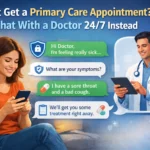 Can’t Get a Primary Care Appointment? Chat With a Doctor 24/7 Instead