
Introduction
Imagine squeezing in quality healthcare between meetings, school drop-offs, long commutes, or household responsibilities—without sacrificing your well-being. For professionals juggling packed schedules, the question of how can i explore virtual health options that fit my busy lifestyle? becomes not just intriguing, but essential. With the rise of telehealth and virtual care, seeking timely medical consultations, mental health support, or chronic condition management can become seamless, efficient, and tailored to your life’s demands.
Recent data underscores the growing adoption of virtual care: in 2024, over 116 million people globally used online doctor consultations, a dramatic increase from about 57 million in 2019, with the trend steadily rising statista.com. In the U.S., projections for 2026 suggest that 25–30 percent of all medical visits could occur virtually, particularly where regulatory clarity supports long-term adoption medicaleconomics.com. Together, these figures highlight that virtual health is no longer a niche resource—it’s rapidly becoming a mainstream path to care.
Consider the example of working parents who can now consult with pediatricians via video calls during lunch breaks, or manage routine prescription refills from home without missing a work meeting. Patients dealing with chronic conditions stand to benefit especially from remote patient monitoring tools—which have demonstrated significant health improvements. For instance, in a rural California program, participants with hypertension achieved a mean systolic blood pressure reduction of over 20 points, while those with diabetes saw meaningful reductions as well arxiv.org.
Moreover, virtual mental health services maintain strong demand: one report found that in 2023, 38 percent of all mental health encounters in the U.S. occurred via telehealth—a sustained volume that outpaces many other specialties medicaleconomics.com. This reveals that flexible, remote therapy or counseling sessions can support emotional well-being without waiting room delays or transportation hassles—especially precious when time is already at a premium.
In this introduction, we’ve set the stage with compelling evidence and real-world insights to illustrate how virtual health can align with even the most demanding schedules. As we move forward into subsequent sections, we’ll explore concrete paths you can follow to identify, assess, and integrate virtual health options that serve both your time constraints and your health goals—without compromise.
Tailoring Virtual Care to Your Schedule and Needs
Many busy individuals wonder how best to approach the question of how can i explore virtual health options that fit my busy lifestyle? The first step is taking stock of your specific schedule constraints and health needs. For instance, if mental health support or therapy is a priority, you’ll find telehealth is especially prominent in that space—mental health visits continue to lead telehealth utilization, thanks to their convenience and effectiveness via remote delivery Fair Health’s 2025 Telehealth Tracker.
Once your needs are clear, assess the types of virtual solutions that align with your routine. Providers are adopting telehealth across a wide spectrum of care—from dermatology to primary care and chronic disease follow-up—making it easier than ever to schedule appointments around work breaks or between errands Telehealth in 2025: Where We Are and What’s Next. These platforms now support video consults, telephone visits, and even asynchronous message-based care, letting you choose what fits your pace and connectivity.
For example, consider a working parent juggling meetings and commuting. A primary care televisit scheduled during a lunch hour or a short break minimizes disruption. Alternatively, those managing chronic conditions might benefit from remote patient monitoring (RPM), which syncs data from wearables or digital glucometers directly with their care team—allowing treatment adjustments without leaving the office—or even the car Remote Patient Monitoring overview.
It’s also useful to explore platforms with flexible access and insurance support. Many major payers like Medicare, Medicaid (in multiple states), and major private insurers now reimburse RPM and telehealth visits comparably to in-person care, reducing out-of-pocket barriers Remote Patient Monitoring reimbursement info.
One concrete success story involves a rural community health center in California where patients with hypertension and diabetes engaged in coordinated digital care with wearables and virtual coaching. Over six months, participants saw an average reduction in systolic blood pressure of 20.2 points and a meaningful drop in blood glucose levels—demonstrating how structured digital support fits seamlessly into busy or resource-limited lives Improving Hypertension and Diabetes Outcomes with Digital Care Coordination.
As you evaluate virtual health options, consider convenience, technology format, coverage, and specific outcomes. By choosing platforms with flexible scheduling, compliant reimbursement, and clear effectiveness, you ensure your virtual care aligns with—not disrupts—your busy life.

Utilizing Digital Platforms for Health Management
For individuals wondering how they can explore virtual health options that fit their busy lifestyle, leveraging digital platforms is essential. One actionable step is to integrate technology into daily health routines. For instance, numerous mobile apps track fitness and health metrics such as calorie intake, sleep patterns, and exercise routines seamlessly. These applications provide insights and recommendations, thus enhancing personal health management without requiring significant time investments.
Efficiency with Telehealth Services
Telehealth services represent a significant advancement for managing health on tight schedules. These services allow patients to consult with healthcare providers remotely, saving time typically spent traveling to appointments. According to data from the CDC, telehealth use increased by 154% in March 2020 compared to the previous year, reflecting its growing acceptance and effectiveness. Platforms like ChatWithDr provide accessible consultation options, supporting individuals in balancing health with other commitments.
Incorporating Virtual Fitness Programs
Another way to incorporate virtual health into a busy lifestyle is through online fitness programs. Fitness enthusiasts can access live or pre-recorded workout sessions at their convenience, negating the need to commute to a gym. From yoga to high-intensity interval training (HIIT), these programs cater to diverse fitness levels and preferences. The Statista Consumer Survey reports that over 46% of Americans plan to continue using digital fitness solutions post-pandemic, demonstrating their efficacy and popularity.
Embracing these virtual health solutions requires an initial investment in setting up, yet they offer substantial long-term benefits by saving time and ensuring consistent health management. Platforms like ChatWithDr streamline access to healthcare, making it easier for individuals to consult with professionals while juggling busy schedules. As technology continues to evolve, these solutions are likely to become more integral to personal healthcare strategies.
Exploring Asynchronous Virtual Health for the Busy Professional
Having established the evolving landscape of telehealth, a powerful strategy for those questioning how to explore virtual health options that fit my busy lifestyle? is to investigate asynchronous care models. Unlike scheduled video calls, asynchronous platforms let patients send updates, symptom details, or follow-up information on their own time—ideal for fitting around work, childcare, or travel commitments.
Why Asynchronous Care Works for Hectic Schedules
A pilot study in a primary care clinic showed that patients with chronic conditions completed online questionnaires 7–28 days after an office visit, enabling clinicians to assess needs and make treatment decisions without requiring in-office follow-ups. Both patients and physicians expressed high satisfaction, and the process took significantly less clinician time than traditional visits, offering a clear efficiency advantage for time-constrained individuals source.
Cost, Access, and Everyday Convenience
Asynchronous telehealth not only saves time, it often costs less. Medical Economics reports that patients typically wait under ten minutes to receive a diagnosis and treatment plan after submitting a symptom questionnaire. Crucially, only minimal connectivity—even a 3G connection—is needed, meaning you can send updates from almost anywhere without high-speed internet or scheduling constraints source. This makes it especially practical for professionals traveling or working from locations with limited bandwidth.
Real-World Example: E-Consult Efficiency
Another tangible benefit of asynchronous health tools lies in e-consultation—where primary care providers can pose diagnostic questions to specialists electronically. Mayo Clinic reported saving approximately $450,000 annually by reducing in-person referrals, and reduced waits dramatically—from nearly 8 days to under 2 days—for patients to receive specialist input source. For busy adults managing complex care needs, such streamlined access can be game-changing.
Putting It Into Practice
- Check whether your provider or insurer offers patient portals or digital care platforms that support asynchronous follow-ups—especially for chronic condition management.
- Prioritize services that deliver clear upfront cost estimates or use flat-rate models to avoid unpredictable co-pays or billing surprises.
- Look for e-consult options when coordinating with specialists; they can save you time and reduce the hassle of scheduling multiple visits.
By embracing asynchronous virtual care, professionals can integrate healthcare into busy routines with added convenience and efficiency, without forfeiting quality or access. This approach aligns perfectly with finding ways to ask how can i explore virtual health options that fit my busy lifestyle? in a way that is both actionable and effective.
Conclusion
Exploring virtual health options that fit a busy lifestyle requires a strategic approach, leveraging technology to maximize convenience and access. By prioritizing your unique health needs and integrating these options seamlessly into your routine, you can enhance your well-being without overwhelming your schedule. Whether it’s choosing telehealth services, utilizing health-tracking devices, or engaging with personalized apps, there’s a wealth of solutions available that cater to modern, fast-paced lives.
The key to embracing virtual health is understanding its potential and applying it wisely. For instance, integrating a fitness tracker can help maintain physical health by keeping count of daily activities, while telehealth appointments ensure that professional medical advice is a click away. According to Forbes, the adoption of telehealth has led to a significant improvement in patient satisfaction and accessibility, highlighting the importance of incorporating such tools into daily life.
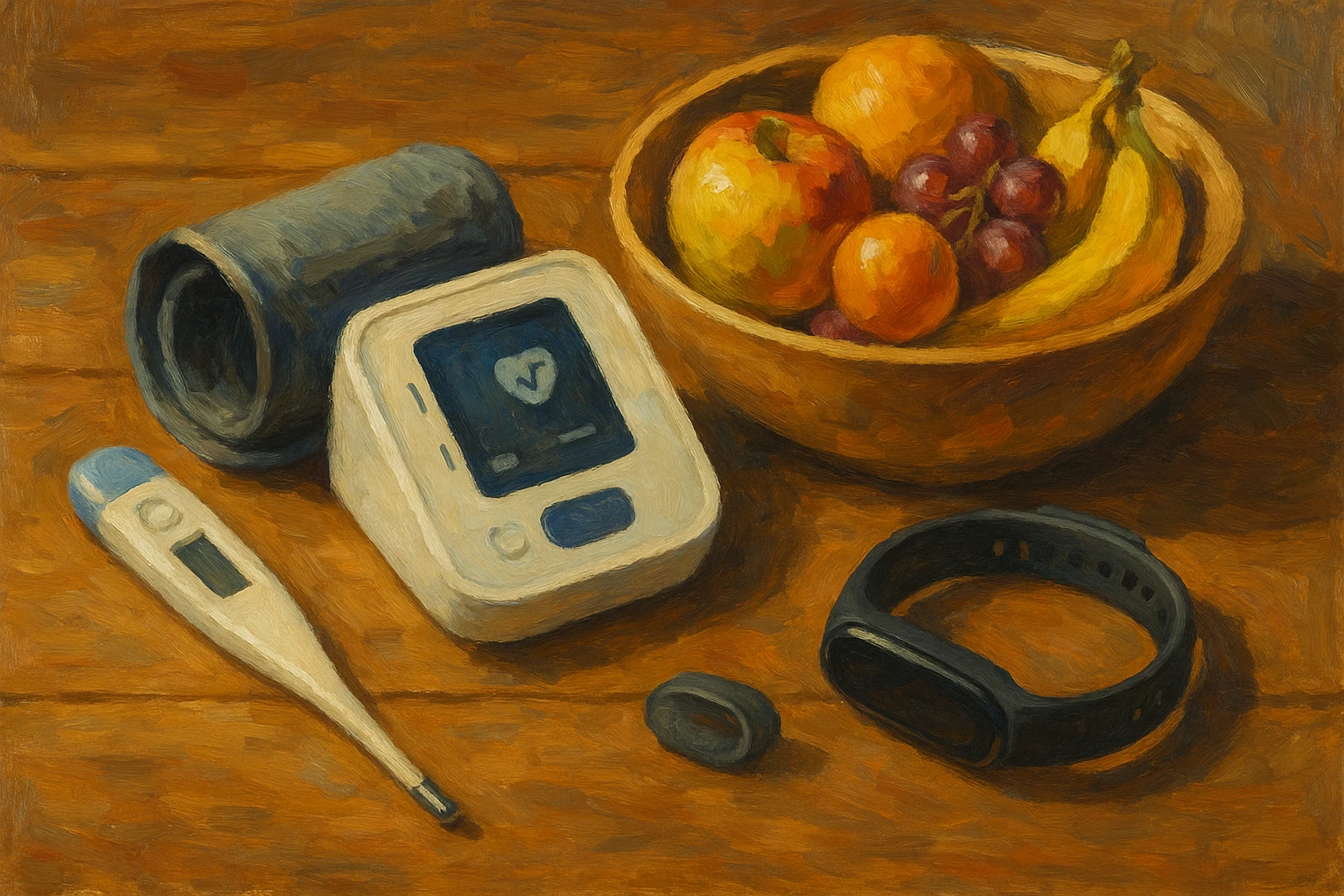
Moreover, an array of smart health devices, like blood pressure monitors and glucose meters, support everyday health management. As reported by Pew Research, a growing number of Americans are embracing these technologies to maintain better health insights and prompt action when necessary.
To start your journey into virtual health, consider using ChatWithDr as a comprehensive resource. This platform offers expert guidance and personalized recommendations, ensuring that the solutions you choose align with your lifestyle and health goals. By taking action today, you can enjoy the benefits of a more accessible and convenient healthcare model, without sacrificing your busy schedule.
As you explore these options, remember that virtual health is about enhancing your quality of life. With careful selection and informed decisions, you can achieve a balanced approach to healthcare that fits seamlessly into your day-to-day activities. Embrace the future of health and start making informed choices that lead to a healthier, more efficient lifestyle.
Related posts:
 Harnessing the Power of Digital Health Support: A Comprehensive Guide
  The Ultimate Guide to Virtual Doctor Visits: Navigating Your Online Healthcare Journey
  What Is an Asynchronous Telehealth Visit and How Does It Work
  Virtual Doctor Visit No Insurance: Affordable Telehealth Options
  Your Guide to Virtual Urgent Care Online Doctor Visits