
Introduction
Imagine recovering from the flu without stepping foot in a clinic or navigating crowded waiting rooms. With telehealth platforms becoming increasingly vital, a nuanced evaluation of each provider is essential. One service that has gained attention recently enables patients to access care swiftly and affordably—what unfolds in this evaluation will explore the strengths and challenges of that experience.
In today’s fast-paced world, the convenience of a virtual consultation that delivers a prescription to your pharmacy within just a couple of hours can make a significant difference. For instance, one user shared that after completing an intake form, they received a prescription within 90 minutes—underscoring the potential for timely care in remote or urgent situations (Reddit post)
Meanwhile, trust and reliability remain paramount. A collection of Trustpilot reviews highlights smooth user experiences such as weekend access, quick prescription fulfillment, and easy navigation through the app. One user on New Year’s Day noted that they received their prescription “in an hour or less,” saving them from unnecessary travel and delays (Trustpilot).
Still, no service is without imperfections. Some users report frustrations with customer support and subscription policies. A detailed feedback thread described issues around unclear fees, difficulty obtaining refunds for canceled subscriptions, and occasional delays that made in-person visits seem faster (BBB complaints).
This review section will set the stage by identifying what matters most to today’s telehealth users—speed, convenience, affordability, reliability—and preview how insights from real-world users and documented practices illuminate both the promise and pitfalls of the service experience. From case studies demonstrating speedy prescription delivery to critical commentary on service transparency, this analysis establishes a balanced foundation for understanding the offering and how it serves diverse patient needs. Transitioning into deeper sections, we’ll explore operational workflows, user satisfaction patterns, pricing models, and actionable recommendations for healthcare consumers navigating telehealth options.
Understanding the Core User Experience
Building on our foundational analysis of prescription delivery and transparency, we now turn to the **operational workflow** that defines how patients actually interact with Call‑On‑Doc. This section delves into real-world experiences, benchmarks expectations against informed reviews, and highlights potential friction points—for healthcare consumers deciding whether to try this service.
Streamlined Prescription Flow and Timely Response
Call‑On‑Doc’s workflow begins with a brief online questionnaire which collects symptom details and relevant health history; according to their official description, prescriptions are typically routed to a pharmacy within 1–2 hours, and Priority Visits can expedite this to as fast as 15 minutes. https://www.callondoc.com/en/blogs/why-callondoc
Users on Reddit reinforce this perception of speed. One shared that their dosage increase prescription was submitted and sent to the pharmacy within two hours of completing the form. https://www.reddit.com/r/Zepbound/comments/1nrb59i Another described filling a consultation, then receiving their script the same day, typically within just hours. https://www.reddit.com/r/Zepbound/comments/1lsdrsl
Subscription Models, Compassionate Care, and Cost Implications
While the core doctor visit may be free under certain programs like their Compassionate Care initiative—especially for medications like Zepbound—some patients choose to subscribe for recurring access. A Redditor noted paying $45 quarterly (~$15 per month) to cover additional visits; yet others indicated that refills under compassionate programs could still be processed without fees. https://www.reddit.com/r/Zepbound/comments/1k7smez
This dual model offers flexibility: occasional users can benefit from free consultations, while frequent users may find value in the low-cost subscription, depending on their needs and existing insurance copays.
Customer Satisfaction vs. Operational Friction
The overall patient response reflects a mixed landscape. Many Trustpilot reviewers report fast, compassionate service—some noting weekend pickups, efficient customer support, and Pharmacies being updated within hours. For example, one highlighted how “the process was quick and easy,” while another praised same-day results for urgent pediatric care. https://www.trustpilot.com/review/callondoc.com
Conversely, others raise concerns. A Better Business Bureau complaint detailed frustration over subscription charges and non-transparent fees, citing delays in prescription refills and difficulties canceling memberships. https://www.bbb.org/us/tx/dallas/profile/telemedicine/callondoccom-inc-0875-91026299/complaints
Actionable Insights for Prospective Patients
- Track your communication: If no confirmation arrives within 2 hours, check your spam folder and contact support as advised in FAQs. https://www.curedose.com/en/faqs
- Use compassionate care options strategically—especially for medications like Zepbound—if you’re looking to minimize visit costs.
- Understand the subscription cancellation process thoroughly to avoid unexpected charges, as highlighted in customer complaints.
By examining both the smooth operational flow and potential pain points, this section enriches our understanding of how the service functions for patients in practice—and equips readers with actionable strategies to navigate Call‑On‑Doc’s system effectively.
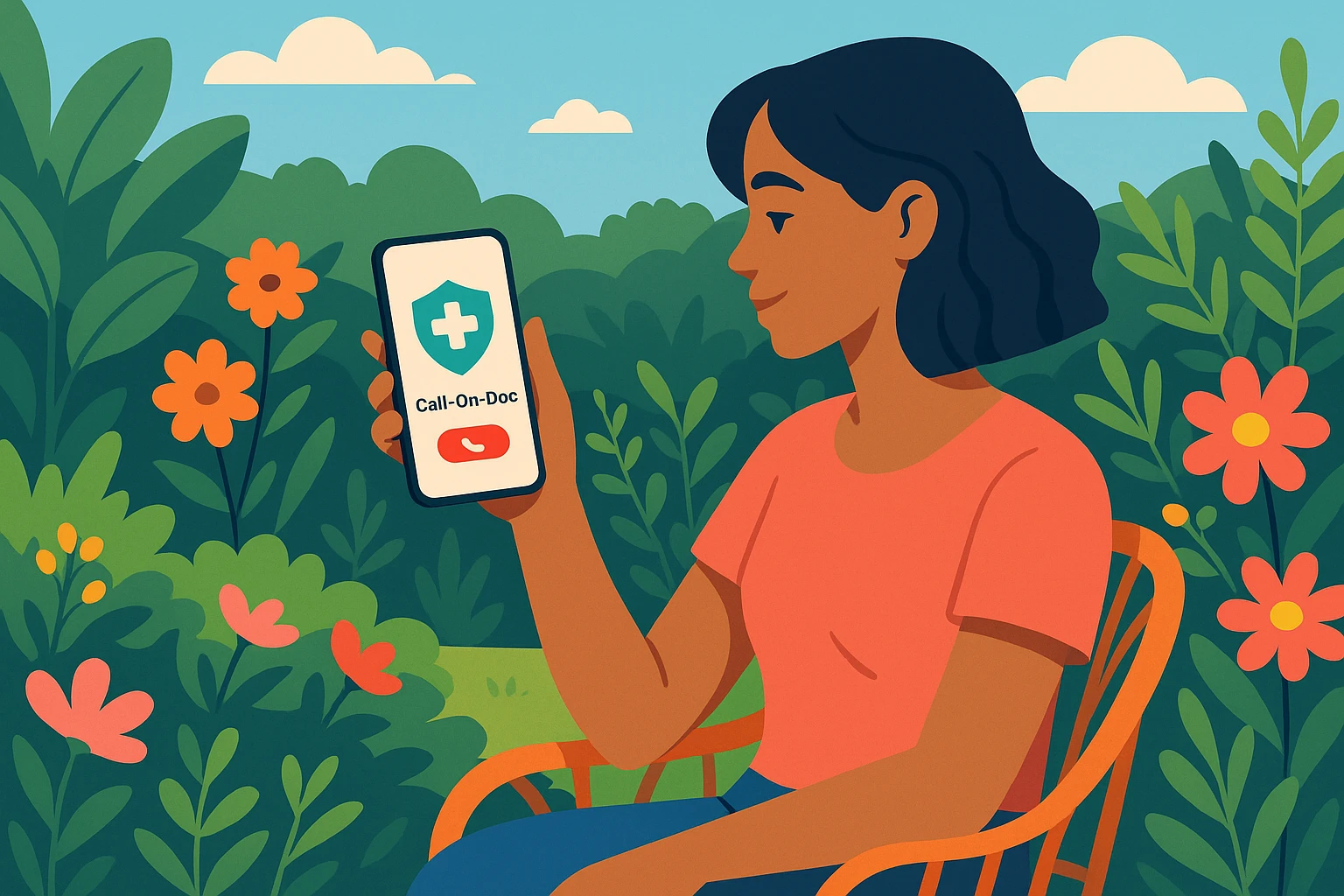
The Role of Telemedicine Platforms
The evolution of telemedicine platforms has revolutionized the way patients access healthcare. Offering unparalleled convenience, these platforms enable users to connect with healthcare professionals without the need for physical visits. This is particularly advantageous for individuals with mobility constraints, those living in remote areas, or anyone looking to save time. One standout platform in this space is Call‑On‑Doc, which offers a user-friendly interface and various healthcare services.
How Call‑On‑Doc Stands Out
Call‑On‑Doc distinguishes itself with its streamlined approach to healthcare delivery. For instance, the platform connects users with licensed physicians who can diagnose common ailments, prescribe medication, and provide follow-up care. This service ensures that even routine health concerns are addressed promptly and efficiently. According to recent studies, telemedicine significantly reduces wait times and increases treatment adherence, underscoring its value in today’s fast-paced world.
Comparison with Other Platforms
While Call‑On‑Doc offers an array of services, it’s essential to compare it with alternative platforms to understand its unique advantages. Similar services like ChatWithDr provide complementary telehealth solutions, allowing users to select the platform that best suits their needs. Platforms like ChatWithDr excel in offering targeted specialist consultations which can integrate with Call‑On‑Doc’s general practice care, creating a comprehensive healthcare management system for users.
Case Studies and User Experiences
Real-world applications of Call‑On‑Doc showcase its impact. Take the example of David, a busy marketing executive who frequently travels. Utilizing Call‑On‑Doc, he can receive medical consultations during flights or in between meetings, ensuring his health remains a priority. Such flexibility not only optimizes the user experience but also enhances overall wellness outcomes.
Moreover, the feedback from users indicates high satisfaction levels, often pointing out the app’s intuitive interface and the swift response times from healthcare providers. The continuity of care afforded by Call‑On‑Doc ensures that users feel supported throughout their health journey.
In conclusion, platforms like Call‑On‑Doc are paving the way for a future where healthcare is more accessible and personalized. The convenience and efficiency offered are unmatched, setting new standards for how medical care is delivered. As technology continues to advance, such platforms will likely expand their offerings, further enhancing the patient experience.
Real-World Experience and User Feedback
User testimonials offer compelling insight into how Call‑On‑Doc Review reflects actual patient experiences. On Trustpilot, numerous users praised the platform for its speed and convenience, especially during holidays or outside regular clinic hours. For instance, one user mentioned receiving a prescription in under an hour on New Year’s Day, commending the process as “easy” and “quick,” even when urgently needed trustpilot.com. Another recounted being exposed to the flu while living in a remote area and receiving prompt virtual care and medication—highlighting the platform’s ability to overcome geographic barriers trustpilot.com.
However, not all feedback was positive. A complaint lodged with the Better Business Bureau described frustration over unclear fees, slow prescription refills, and poor customer service, cautioning others to consider in-person clinics instead bbb.org. This underscores the need to acknowledge both strengths and limitations when evaluating real-world use cases.
Social media commentary reveals nuanced experiences, particularly in specialized scenarios like weight management or chronic medication refills. On Reddit, several users reported positive outcomes when using Call‑On‑Doc for prescriptions like Zepbound and other weight-loss treatments. One user detailed how a refill was approved within minutes after submitting proof of their prior prescription, saving time and avoiding an office visit reddit.com. Another highlighted switching to Call‑On‑Doc from a higher-cost provider to avoid a $140 monthly fee, finding the process seamless and efficient reddit.com.
Still, user experiences vary. Some noted frustration during medication authorization or refill processes, describing additional documentation or delays in approvals. One user reported that their pre-authorization stalled for days despite following up, illustrating that treatment efficiency may depend on case complexity or administrative requirements reddit.com.
These firsthand accounts provide actionable insights for prospective users:
- Expect efficient turnaround for common urgent care needs, especially during off-hours or holidays.
- If managing chronic or specialty medications, be prepared to document prior prescriptions or engage in brief follow-up communication.
- Review billing terms closely and monitor fulfillment timelines—some users encountered unexpected delays or fee questions.
Collectively, this blend of praise and critique paints a realistic picture of what users experience in everyday life. By evaluating testimonials alongside official claims, potential patients can better anticipate how Call‑On‑Doc Review performs in practice, making more informed decisions about when this telemedicine platform is the best fit.

Conclusion: Key Takeaways and Actionable Insights
The evaluation of Call‑On‑Doc underscores its significant potential in enhancing healthcare accessibility. This service offers a streamlined approach to medical consultation, making it easier for patients to access expert advice without the typical delays associated with traditional appointments. Through the Call‑On‑Doc platform, users enjoy the convenience of obtaining prescriptions and medical guidance directly from their homes.
One of the standout features is the platform’s user-friendly interface, allowing patients to navigate and utilize services efficiently. This ease of use is crucial for individuals who may not be tech-savvy but still require immediate healthcare assistance. Furthermore, the cost-effectiveness of Call‑On‑Doc presents a viable alternative to expensive emergency room visits for non-emergency medical issues.
Strategies for Maximizing Benefits
For those looking to maximize their experience with Call‑On‑Doc, consider maintaining a comprehensive medical history that can be easily shared with doctors during consultations. This proactive approach ensures that physicians can provide personalized and accurate advice. Additionally, staying informed about the latest features and updates from Call‑On‑Doc will empower users to leverage all available tools efficiently. Engaging with community feedback and participating in forums can also provide insights into optimizing the use of this platform.
Healthcare providers can take advantage of the platform’s reach and efficiency by adopting similar telehealth solutions, which can result in broader patient engagement and increased service satisfaction. According to a study by the American Medical Association, telehealth adoption has grown, with many providers acknowledging its role in future healthcare delivery (American Medical Association).
Next Steps
For those intrigued by the capabilities of Call‑On‑Doc, an excellent next step is to explore additional resources that support digital health initiatives. ChatWithDr offers comprehensive support and guidance for both patients and providers looking to integrate telehealth into their healthcare routine. Leveraging such tools not only expands accessibility but also enhances the overall quality of care.
As healthcare continues to evolve, embracing platforms like Call‑On‑Doc will be essential for meeting the demands of modern patients. By doing so, both individuals and healthcare providers can benefit from improved efficiency, reduced costs, and ultimately, better health outcomes.
Related posts:
 Call‑On‑Doc vs ChatWithDr: A Comprehensive Guide to Telehealth Services Call‑On‑Doc Analysis and Deep Dive: A Comprehensive Guide A Comprehensive Guide to Using Call‑On‑Doc Effectively Choosing the Right Telehealth Service: Call‑On‑Doc vs ChatWithDr Top Call-On-Doc Alternatives for Quality Healthcare at Home