

Introduction
Imagine accessing expert medical advice from a specialist across the globe, without leaving your home and receiving personalized guidance tailored to your needs—this is becoming the new norm. As telemedicine evolves, the question of what are innovative ways to consult with a medical expert online? takes on real-world importance. Today’s healthcare landscape is rapidly transforming, offering smarter, more flexible paths to care that go well beyond basic video calls.
The Rise of AI-Guided Consultations and Virtual Agents
Consider the example of Doctronic, a U.S. health-tech startup offering free AI-guided consultations that generate differential diagnoses in under 20 minutes. Users receive both layperson-friendly and SOAP-note formats, with an optional fast-track live consultation for $40, available across all 50 states within about half an hour. This model addresses prolonged wait times and limited access, reaching over 10 million consultations to date nypost.com. It showcases how blending AI-driven triage with human oversight creates agile, cost-effective care pathways.
Virtual Hospitals Bringing Specialty Care Home
In Saudi Arabia, the innovative Seha Virtual Hospital connects patients—like an 11‑year‑old child with ADHD—with specialist psychiatric care via video. Part of the world’s largest virtual hospital network, Seha partners with traditional facilities to offer dozens of services remotely, helping deliver care in remote or underserved communities ft.com. This model highlights how virtual hospitals can bridge access gaps, support chronic and behavioral health management, and reduce the strain on brick‑and‑mortar systems.
Integrated Telemedicine with Wearables and AI
Tapping into wearable devices like smartwatches and connected blood pressure monitors, remote patient monitoring has surged. Clinicians are now able to track vital signs and detect irregularities in real time, facilitating early intervention for chronic illness or post-operative recovery clustox.com. Coupled with AI-powered virtual assistants and chatbots for symptom triage, personalized guidance, and appointment scheduling, these tools elevate the telehealth experience beyond one-size-fits‑all encounters.
These forward-thinking examples illustrate inventive strategies for remote care and provide a compelling starting point. In upcoming sections, we’ll explore how hybrid care models, immersive technologies like VR/AR, and secure blockchain frameworks are redefining what it means to connect with a medical expert online.
Leveraging Hybrid Care Models
The amalgamation of traditional in-person visits and telehealth has given rise to hybrid care models that offer a more comprehensive approach to patient care. Hybrid models allow patients the flexibility to choose between face-to-face consultations and virtual visits according to their convenience and medical needs. This flexibility aids in addressing various challenges such as geographical barriers, patient mobility issues, and the need for specialized care that might not be available locally. By integrating both approaches, healthcare providers can offer personalized care, ensuring a seamless experience for both routine check-ups and complex medical consultations.
Major healthcare institutions are pioneering the way in adopting hybrid care models. For instance, the Cleveland Clinic has successfully implemented a hybrid system that offers a balanced approach between digital and in-person services. Patients report higher satisfaction levels due to enhanced accessibility and reduced wait times, demonstrating the effectiveness of hybrid care in improving healthcare delivery (Cleveland Clinic Annual Report).
Immersive Technologies: The Rise of VR/AR
Immersive technologies such as Virtual Reality (VR) and Augmented Reality (AR) are shaping the future of online medical consultations. These technologies facilitate realistic simulations that are particularly beneficial in fields such as mental health, physical rehabilitation, and surgical training. Through VR/AR, patients can engage in virtual environments that promote relaxation, provide exposure therapy, or engage in guided physical exercises. This approach not only enhances patient engagement but also allows healthcare professionals to assess and monitor progress in real-time.
For example, Stanford Medicine has explored using VR for pain management and anxiety reduction, yielding promising results. Patients who participated in VR therapy sessions reported significant reductions in pain levels and anxiety, showcasing the technology’s potential to revolutionize remote consultations (Stanford Medicine News).
Secure Blockchain Frameworks
To ensure the security and privacy of patient data during online consultations, blockchain technology offers an innovative solution. Blockchain frameworks provide a decentralized method of data storage that enhances security by recording transactions in an immutable ledger. This is particularly important in the medical field, where data breaches can have serious consequences.
By harnessing blockchain technology, healthcare providers can ensure that patient data is securely encrypted and accessible only to authorized individuals. Emerging companies like Medicalchain are leading the charge by creating digital health records that use blockchain to ensure data integrity and patient control. This not only builds trust between patients and providers but also streamlines processes for medical professionals by reducing administrative burdens and improving data accuracy.
These innovative approaches, from hybrid models to advanced technologies, illustrate what are innovative ways to consult with a medical expert online in a secure and effective manner. By adopting these cutting-edge strategies, healthcare systems can significantly enhance the patient experience in the digital age.
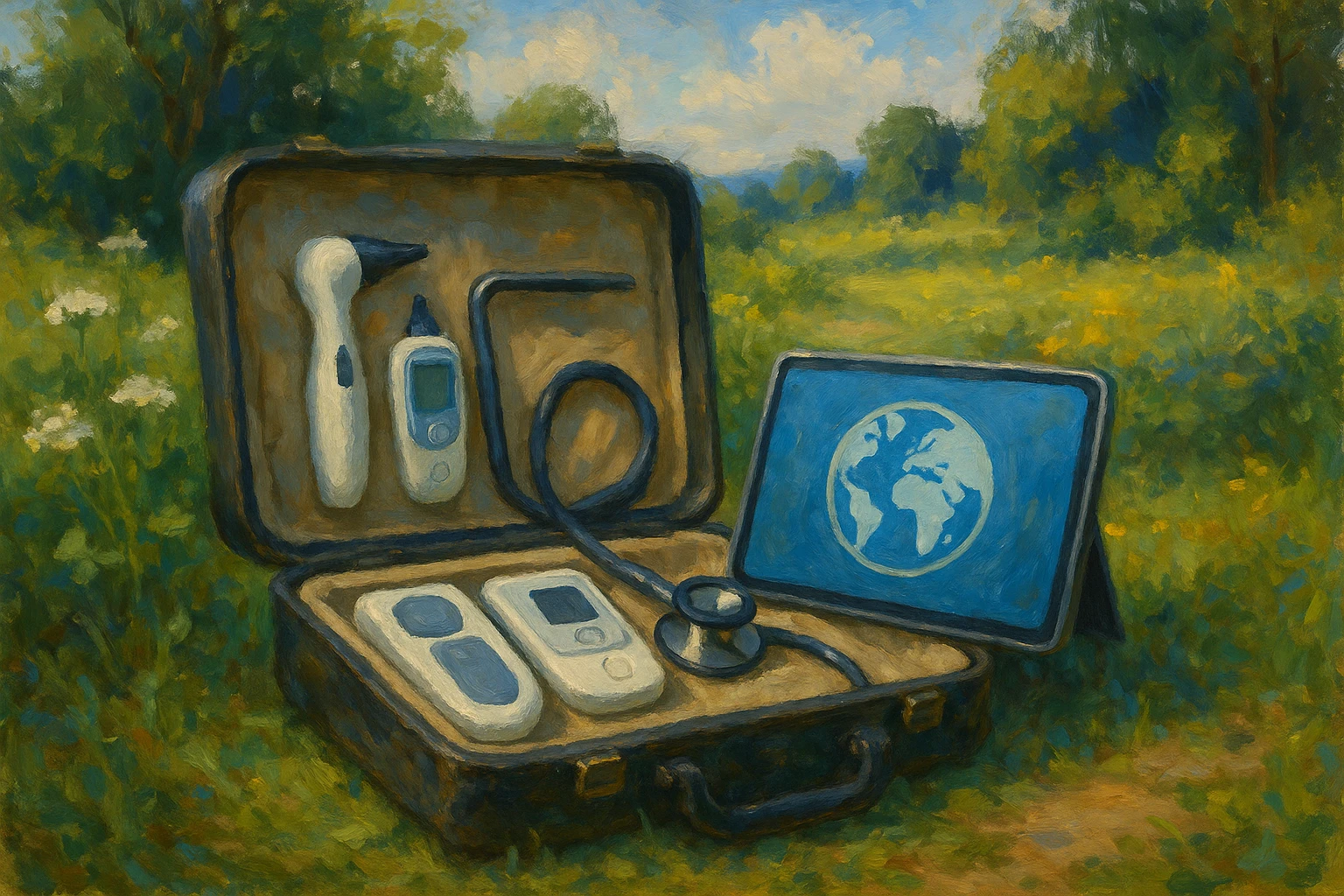
Telemedicine Platforms Revolutionizing Health Consultations
In a rapidly digitalizing world, accessing medical expertise has evolved significantly. One of the game-changers in this space is the emergence of dedicated telemedicine platforms. Traditionally, seeking medical advice involved a physical visit to a clinic, but now patients utilize platforms offering seamless digital consultations. These platforms facilitate real-time communication with healthcare professionals, providing both convenience and comfort.
Telemedicine services have been particularly vital during the global pandemic, where maintaining social distancing became crucial. According to a study by the National Center for Biotechnology Information, telemedicine saw a substantial increase in adoption, with usage growing by more than 50% in 2020. This indicates a shift in patient behavior, highlighting the preference for digital interactions whenever feasible.
AI-Powered Consultation Tools
Another innovative advancement includes the integration of artificial intelligence into medical consultations. AI-driven chatbots and diagnostic tools offer preliminary assessments and help in triaging conditions before a live consult. These tools not only save time but also filter out non-critical cases, allowing medical professionals to focus on patients who require immediate attention. As reported by Forbes, AI in healthcare is projected to grow at a compound annual growth rate (CAGR) of 45%, demonstrating its rising importance.
Platforms like ChatWithDr exemplify these technological innovations. By utilizing AI capabilities, they streamline the consultation process, ensuring that healthcare remains efficient and accessible. This approach embodies what are innovative ways to consult with a medical expert online and provides patients with round-the-clock access to qualified professionals.
Wearable Health Technology
Complementing telemedicine and AI, wearable health devices present another layer of innovation. Devices such as smartwatches and fitness trackers monitor vital statistics like heart rate, oxygen levels, and even ECG. These data points offer real-time insights when shared with medical experts during online consultations, enhancing diagnostic accuracy. According to Grand View Research, the wearable medical device market is expected to reach USD 174.48 billion by 2028, underscoring its transformative potential in healthcare communication.
These innovations collectively define what are innovative ways to consult with a medical expert online, reshaping the landscape of healthcare delivery. They offer solutions that are not only technologically advanced but also focused on delivering patient-centered care, ensuring a future where quality healthcare is universally accessible.
Emerging Hybrid and AI-Enabled Consultation Models
Building on the growing interest in what are innovative ways to consult with a medical expert online? patients and providers are gravitating toward hybrid care models that seamlessly blend virtual and in-person interactions. These models allow patients to initiate consults via telehealth—such as virtual check-ins, AI symptom triage, or wearable-based monitoring—and follow up with in-person care only when necessary. This approach not only enhances efficiency but also improves patient satisfaction and outcomes, particularly for chronic disease management like diabetes and hypertension, by reducing fragmentation in care delivery Quad One.
At the forefront of AI-driven enhancements, platforms now often include chatbots, predictive analytics, and automated documentation. These tools handle initial symptom assessment and patient history-taking, while also serving as triage assistants to prioritize cases before clinician review. For instance, predictive models integrated into online systems can alert providers to urgent patient needs instantly, enabling faster and more targeted care interventions Journal Noted.
Remote Patient Monitoring (RPM) and Wearables
Another breakthrough lies in leveraging RPM devices for continuous care. Smart devices—such as scales, blood pressure monitors, and glucose sensors—automatically upload data, allowing clinicians to monitor patients in real time and intervene before health issues escalate. Reports show that RPM can reduce hospital readmissions by as much as 50% for conditions such as heart failure, while the global IoMT (Internet of Medical Things) market is projected to balloon from $47.3 billion in 2023 to over $800 billion by 2032 Healos.ai.
Virtual Hospitals and Extended Care Reach
Virtual hospitals represent another innovative online consult approach, extending the hospital’s reach beyond its walls. The Seha Virtual Hospital in Saudi Arabia, the world’s largest, provides patients remote access to 44 specialized services by partnering with traditional hospitals. Such systems deliver effective care to underserved populations via video consultations and continuous virtual monitoring Financial Times. This model underscores how virtual institutions can expand expert access without requiring physical presence.
Together, these approaches—hybrid models, AI-enriched triage and documentation, RPM integration, and virtual hospitals—represent tangible, forward-looking methods in the continuum of innovations transforming online medical consultations. By prioritizing accessibility, personalization, and efficiency, these models are reshaping how patients and physicians interact in the digital realm.
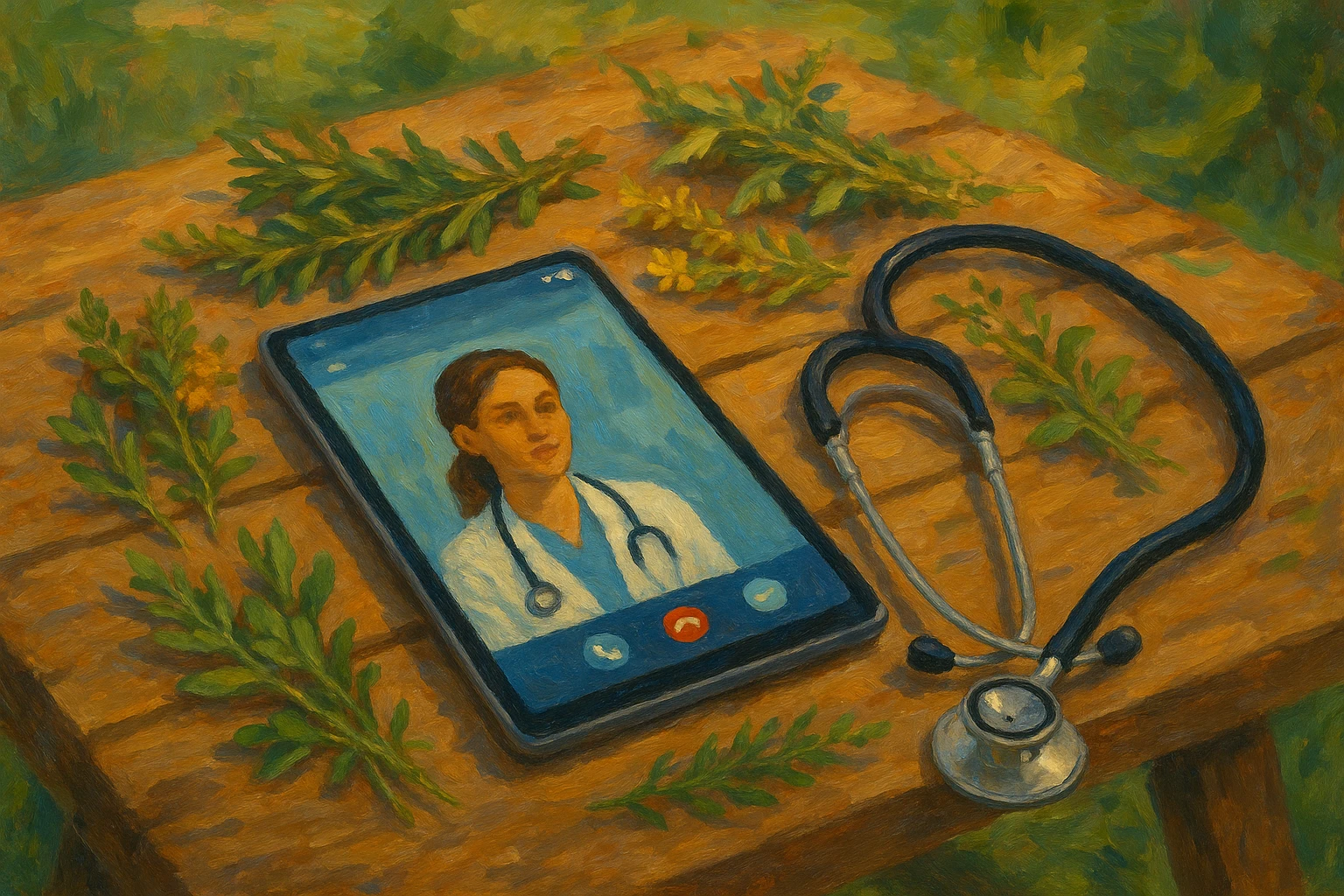
Conclusion: Embrace Innovation in Online Medical Consultations
As we’ve explored throughout this article, the landscape of consulting with a medical expert online is rapidly evolving. The innovative methods available today are not just about convenience but also about improving the quality and accessibility of healthcare. By leveraging technologies such as AI-driven platforms, virtual reality, and comprehensive telemedicine services, patients can experience personalized and efficient medical consultations from the comfort of their homes.
One critical takeaway from this exploration is the significant impact that technology can have on patient outcomes. Virtual reality, for instance, is transforming physical therapy and mental health treatments, providing an immersive and interactive way to engage in healthcare. Similarly, AI-powered chatbots are streamlining the way we access medical information, making the initial consultation phase quicker and more reliable.
Actionable insights for those looking to integrate these innovations include starting with platforms that offer robust, user-friendly interfaces and comprehensive support. Services like ChatWithDr are excellent resources to begin this journey. They offer tailored solutions that cater to individual needs, ensuring that the transition to online medical consultations is as smooth and beneficial as possible.
To capitalize on what are innovative ways to consult with a medical expert online, patients and healthcare providers alike should stay informed about the latest advancements and be open to adopting new technologies. A commitment to ongoing education and adaptation will be essential as the sector continues to grow and change rapidly.
Finally, decisions should be data-driven. According to a report by McKinsey, the digital health market is projected to reach an unprecedented scale in the coming years, emphasizing the need for adaptive strategies. Engaging in these technologies not only promises improved individual health outcomes but also contributes to broader efficiencies in the healthcare system as a whole.
In conclusion, integrating these tools and technologies into your healthcare approach can revolutionize your experience. To begin this transformative journey, consider exploring options like ChatWithDr, where innovative solutions meet traditional care to provide a truly modern healthcare experience.
Related posts:
 Top 5 Online Doctor Services Compared: ChatWithDr.com Takes the Lead
  The Comprehensive Guide to Virtual Medical Consultations
  Top Common Conditions You Can Treat Quickly and Securely with Virtual Urgent Care Harnessing the Power of Digital Health Support: A Comprehensive Guide Always-On Care: How 24/7, Affordable Telehealth Delivers Instant Help for Busy Americans