

Skin rashes are one of the most common reasons people seek medical attention, affecting millions of Americans every year. Whether it's a mysterious red patch that appeared overnight, persistent itching that won't go away, or bumps that seem to multiply by the day, skin rashes can be both uncomfortable and concerning.
A skin rash is essentially an area of irritated or swollen skin that may appear red, itchy, painful, or inflamed. While most rashes are harmless and resolve on their own, some can indicate underlying health conditions that require professional medical evaluation. Understanding what causes rashes, recognizing different types, and knowing when to seek help can save you time, discomfort, and unnecessary worry.
What Causes Skin Rashes?
Skin rashes can develop from numerous triggers, making them sometimes challenging to diagnose without professional help. The most common causes include:
Allergic Reactions
Your body's immune system can overreact to substances it perceives as threats, leading to skin inflammation. Common allergens include certain foods (nuts, shellfish, dairy), medications (antibiotics, NSAIDs), and environmental factors like pollen, dust mites, or pet dander.
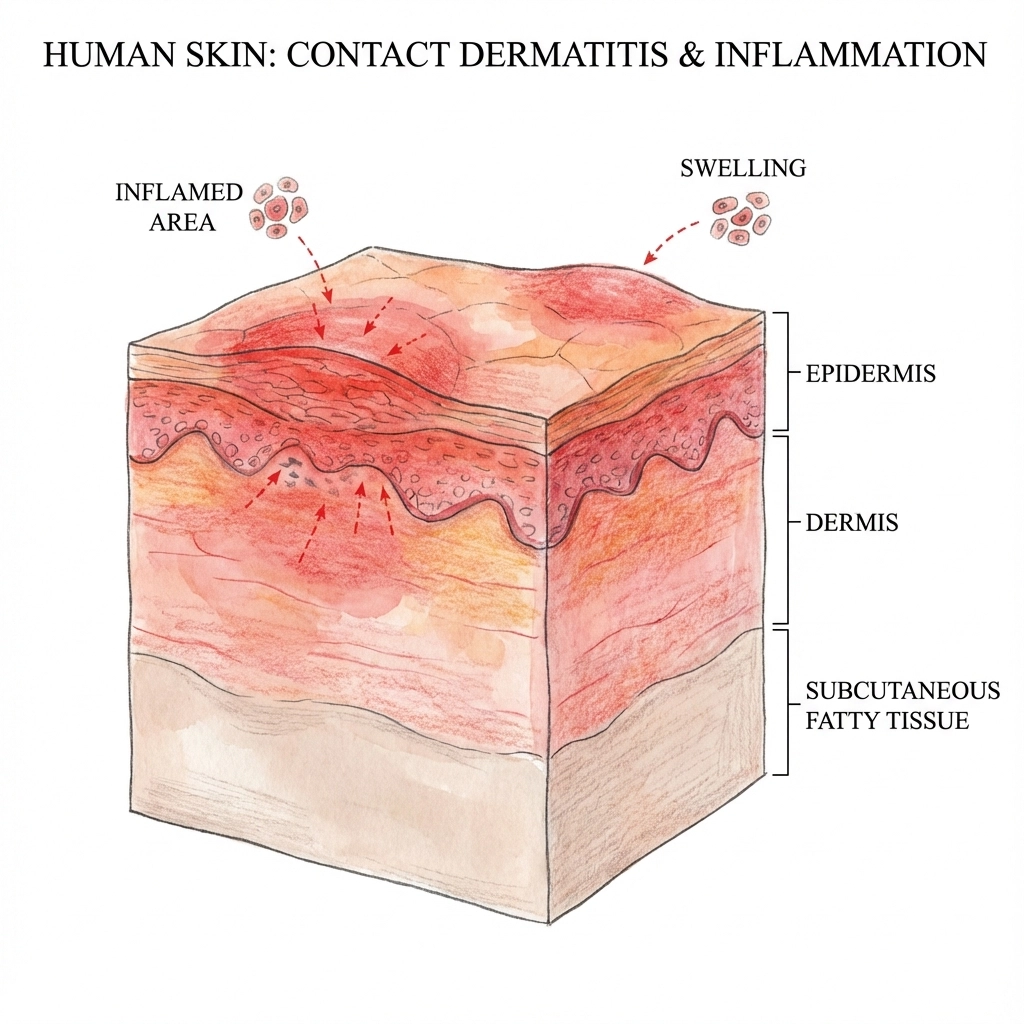
Contact Dermatitis
This occurs when your skin directly touches an irritating substance. Poison ivy, oak, and sumac are classic examples, but everyday items can also trigger reactions. Beauty products, jewelry containing nickel, latex gloves, certain fabrics, dyes, and even some soaps or detergents can cause contact dermatitis.
Infections
Both contagious and non-contagious infections can manifest as skin rashes. Bacterial infections like cellulitis create red, swollen, warm areas, while viral infections such as chickenpox, measles, or shingles produce characteristic patterns. Fungal infections like ringworm create circular, scaly patches, and even parasitic infections can cause skin irritation.
Chronic Skin Conditions
Several ongoing skin conditions regularly flare up, causing recurring rashes. Eczema creates dry, scaly, itchy patches, while psoriasis produces thick, silvery scales typically on elbows, knees, and scalp. Rosacea affects the face with persistent redness and sometimes bumps.
Environmental and Lifestyle Factors
Heat, cold, excessive sun exposure, stress, and hormonal changes can all trigger skin reactions. Even seemingly harmless activities like hot showers, wearing tight clothing, or using fragranced products can irritate sensitive skin.
Common Types of Skin Rashes
Understanding different rash characteristics can help you communicate more effectively with healthcare providers and determine urgency levels.
Eczema (Atopic Dermatitis)
Eczema appears as red, inflamed patches that are intensely itchy and may become scaly or crusty. It's not contagious and often runs in families with histories of allergies or asthma. Eczema commonly affects the inside of elbows, behind knees, on hands, and around the neck.
Hives (Urticaria)
Hives manifest as raised, red or skin-colored welts that can appear anywhere on the body. They're typically very itchy and may change shape or location within hours. Hives often result from allergic reactions, stress, temperature changes, or infections.

Contact Dermatitis
This rash appears in areas that directly contacted an irritant or allergen. The pattern often reveals the cause – linear streaks from plant exposure, geometric shapes from adhesives, or localized reactions under jewelry or clothing.
Psoriasis
Psoriasis creates thick, raised patches covered with silvery-white scales. Unlike eczema, psoriasis plaques are typically well-defined with clear borders. They most commonly appear on elbows, knees, scalp, and lower back.
Ringworm
Despite its name, ringworm is a fungal infection, not caused by worms. It creates circular, scaly patches with clearer centers, giving them a ring-like appearance. Ringworm is contagious and can spread through direct contact or contaminated surfaces.
Heat Rash
Hot, humid conditions can cause sweat ducts to become blocked, leading to small, red bumps or blisters. Heat rash commonly occurs in skin folds, under clothing, or in areas where sweat accumulates.
When Should You Be Concerned?
While many rashes are minor and self-limiting, certain signs indicate the need for prompt medical attention. Seek immediate care if your rash includes:
- Signs of Infection: Yellow or green discharge, increasing pain rather than just itchiness, red streaks extending from the rash, swelling, warmth, or fever
- Severe Symptoms: Difficulty breathing, swelling of face or throat, rapid spreading across the body, or severe pain
- Blistering or Open Sores: These can become infected and may indicate serious conditions
- Systemic Involvement: Rash covering large portions of your body, accompanied by fever, fatigue, or other concerning symptoms

Additionally, consider professional evaluation if your rash:
- Persists for more than a few days without improvement
- Interferes with sleep due to itching
- Keeps returning in the same location
- Appears after starting new medications
- Develops in infants or elderly individuals
Getting Professional Help for Skin Rashes
When you're dealing with an uncomfortable or concerning rash, getting timely medical advice can make a significant difference in your comfort and healing process. Traditional dermatology appointments often require weeks of waiting, but text-based telehealth platforms like ChatWithDr offer faster access to professional medical evaluation.
Through ChatWithDr's online dermatologist service, you can chat with licensed medical professionals who specialize in skin conditions. The text-based consultation process allows you to describe your symptoms, share photos if helpful, and receive personalized medical advice without leaving your home.
The convenience of secure medical messaging means you can document your rash's progression, ask follow-up questions, and receive guidance on treatment options at your own pace. This is particularly valuable for skin conditions, as you can easily describe changes in appearance, itching intensity, or response to treatments.
For rashes that may require prescription treatments – such as antibiotic creams for infected areas, antifungal medications for ringworm, or prescription-strength anti-inflammatory treatments – ChatWithDr's online prescription service can provide authorized medications when medically appropriate.
Treatment and Prevention Strategies
Immediate Relief Measures
For most minor rashes, several over-the-counter options can provide relief while you determine the underlying cause. Cool compresses can reduce inflammation and itching, while gentle moisturizers help maintain skin barrier function. Antihistamines like Benadryl or Claritin may help with allergic reactions, and topical treatments like calamine lotion or hydrocortisone cream can provide localized relief.
Prevention Approaches
Many rashes are preventable with proper skin care and awareness. Use fragrance-free, gentle cleansers and moisturizers suitable for sensitive skin. When trying new products, test them on a small skin area first. Wear breathable, loose-fitting clothing in natural fabrics when possible, and protect your skin from excessive sun exposure.

If you have known allergies, read product labels carefully and carry any prescribed emergency medications. For those prone to contact dermatitis, wearing gloves while cleaning or gardening, choosing hypoallergenic jewelry, and being cautious around known irritants can prevent many reactions.
Long-term Management
Chronic skin conditions like eczema or psoriasis benefit from consistent, long-term management strategies. This often includes identifying and avoiding personal triggers, maintaining proper skin hydration, using prescribed medications as directed, and working with healthcare providers to adjust treatment plans as needed.
The Advantage of Text-Based Medical Consultations
Skin rashes are particularly well-suited to text-based medical consultations because visual documentation is often more important than physical examination. You can take clear photos of affected areas, describe symptoms in detail, and maintain an ongoing conversation with medical professionals as your condition evolves.
This approach also allows for more thorough documentation of your medical history, current medications, and potential triggers – all crucial information for accurate rash diagnosis and treatment. Through ChatWithDr's telehealth services, you can build a comprehensive record of your skin health that supports better long-term care.
Whether you're dealing with a sudden allergic reaction, managing a chronic skin condition, or simply want professional peace of mind about a new rash, text-based medical messaging provides accessible, convenient, and thorough care options.
Remember that while many skin rashes resolve on their own or with basic care, professional medical evaluation ensures you receive appropriate treatment and avoid potential complications. Don't let uncertainty about a rash cause unnecessary stress – getting expert advice is easier and more accessible than ever.
Related posts:
 Your Guide to an Online Doctor for Skin Rash
  Struggling For Quick Skin Relief? 50+ Conditions We Treat Online (Acne, Eczema, Rashes & More)
  Struggling with Itchy Skin, Breakouts, or Rashes? Get Diagnosed and Treated from Your Couch for $39.99
  Stop Wasting Time on Skin Conditions: Get Diagnosed and Treated in Under 2 Hours
  7 Skin Conditions You Can Treat From Your Phone (With Same-Day Prescriptions)