
Introduction
Imagine walking into your living room, logging into a secure platform, and consulting with a physician as effectively as if you were sitting in their office—without the commute, parking struggles, or crowded waiting rooms. This scenario captures the growing appeal of modern healthcare pathways, offering both clarity and convenience. Many patients and providers are embracing this shift as more than a stopgap—it’s rapidly becoming an efficient backbone in healthcare delivery. For example, by 2021 nearly 90% of office-based physicians were using telemedicine, up sharply from just 15% pre-pandemic, highlighting its sweeping adoption across the medical community HealthIT.gov.
The evolving model now prominently includes virtual medical consultation as a core component of patient care. A comprehensive systematic review covering over 5 million individuals found that virtual consultations matched—or in some cases surpassed—face-to-face visits in managing mental health issues, smoking cessation, and alcohol use reduction, while also cutting wait times and patient costs PubMed (JMIR). Beyond these clinical benefits, administrative efficiencies are equally compelling. Studies show virtual platforms can reduce no-show rates by up to 30%, automate scheduling, and even decrease redundant paperwork and staffing overhead MoldStud – Healthcare Institutions.
Simultaneously, patient satisfaction with this digital-first approach continues to climb. Nearly 98% of users report satisfaction with telehealth experiences, and 88% find remote consults more convenient than traditional visits Medical Economics. One bariatric clinic saw over 90% of patients rate their virtual encounters as “very good,” particularly when engaging with dietitians and other support providers PubMed – Bariatric Program. These insights underscore that when virtual care is thoughtfully integrated, it can serve as both a highly effective clinical tool and a powerful enhancer of patient engagement.
In this introduction, we’ve set the stage for deeper exploration: how digital visits streamline workflows, maintain—if not improve—clinical effectiveness, and elevate patient satisfaction. The following sections will dive into practical strategies for implementing these services, real-world case studies, and guidance for providers looking to bridge the gap between virtual and in-person care.
Enhancing Patient Experience and Clinical Outcomes
Building on the foundation established earlier, this section explores how virtual medical consultation can elevate patient experience and outcomes through tangible advantages and evidence-based improvements.
Strengthening Patient Engagement and Satisfaction
Providers leveraging digital platforms frequently observe marked gains in patient involvement. For example, secure messaging and real-time appointment reminders have been shown to boost medication adherence by 22% and decrease no-show rates by 38%, while personalized health dashboards elevate satisfaction by 35%—demonstrating how interactive tools drive engagement and trust MoldStud, 2024. Moreover, large-scale surveys reveal that up to 98% of virtual visit respondents report being satisfied with their telehealth experiences, and 91% express satisfaction specifically with video consultations—underscoring the broad appeal and acceptability of remote care Medical Economics.
Evidence-Based Clinical Effectiveness
When it comes to clinical parity, systematic reviews indicate that virtual consultations often match or exceed in-person care in effectiveness for a range of conditions, including mental health and behavior-related concerns. Patients describe virtual appointments as “as good” (84%) and “as thorough” (79%) as face-to-face encounters, with 91% rating the convenience higher—suggesting that remote care does not compromise quality JMIR systematic review. Additionally, in specialized areas such as bariatric multidisciplinary programs, satisfaction rates surpassed 90% during and after the widespread shift to virtual, with 89% of patients reporting tangible benefits; patients favored remote visits for dietitian and psychologist encounters, though most still preferred in-person visits with MDs—highlighting opportunities for hybrid models tailored to provider roles PubMed, 2024.
Practical Strategies for Better Delivery
- Incorporate automated reminders and follow-up messaging to reduce missed appointments and reinforce treatment plans.
- Use interactive visual aids during virtual sessions to help patients understand complex instructions more thoroughly.
- Adopt a hybrid model that combines virtual check-ins with in-person visits for certain provider types—maximizing both efficiency and patient comfort.
By thoughtfully designing patient interactions and selecting modalities based on clinical context, healthcare providers can ensure that digital visits not only streamline workflows, but also deliver meaningful, high-quality care that resonates with patients.
Enhancing Accessibility and Convenience
The advent of virtual medical consultation has significantly enhanced accessibility to healthcare services, especially for those in remote or underserved areas. Individuals who previously faced logistical barriers, such as long travel distances or lack of local healthcare facilities, can now access professional medical advice without leaving their homes. This is particularly impactful for patients with mobility issues or chronic conditions that make frequent travel challenging.
One remarkable example is how rural communities are leveraging virtual consultations. A study by the National Institutes of Health found that telemedicine has considerably increased healthcare access in these areas, reducing travel costs and waiting times. Moreover, it empowers patients by providing quicker access to specialists who may not be locally available.
Time-efficient and Cost-effective Solutions
Virtual consultations offer substantial time savings for both patients and healthcare providers. Patients avoid long waiting room periods and commuting hassles, while practitioners can optimize their scheduling to accommodate more patients. This efficiency not only enhances patient satisfaction but also maximizes the healthcare provider’s ability to deliver services. Platforms like ChatWithDr streamline this process, offering a seamless interface for scheduling and managing appointments.
Additionally, the virtual model is often more cost-effective. A study by The American Journal of Managed Care highlights the reduced overhead costs involved in virtual consultations compared to traditional in-person visits. This is crucial for both healthcare systems and patients looking to minimize expenses.
Integration with Advanced Technologies
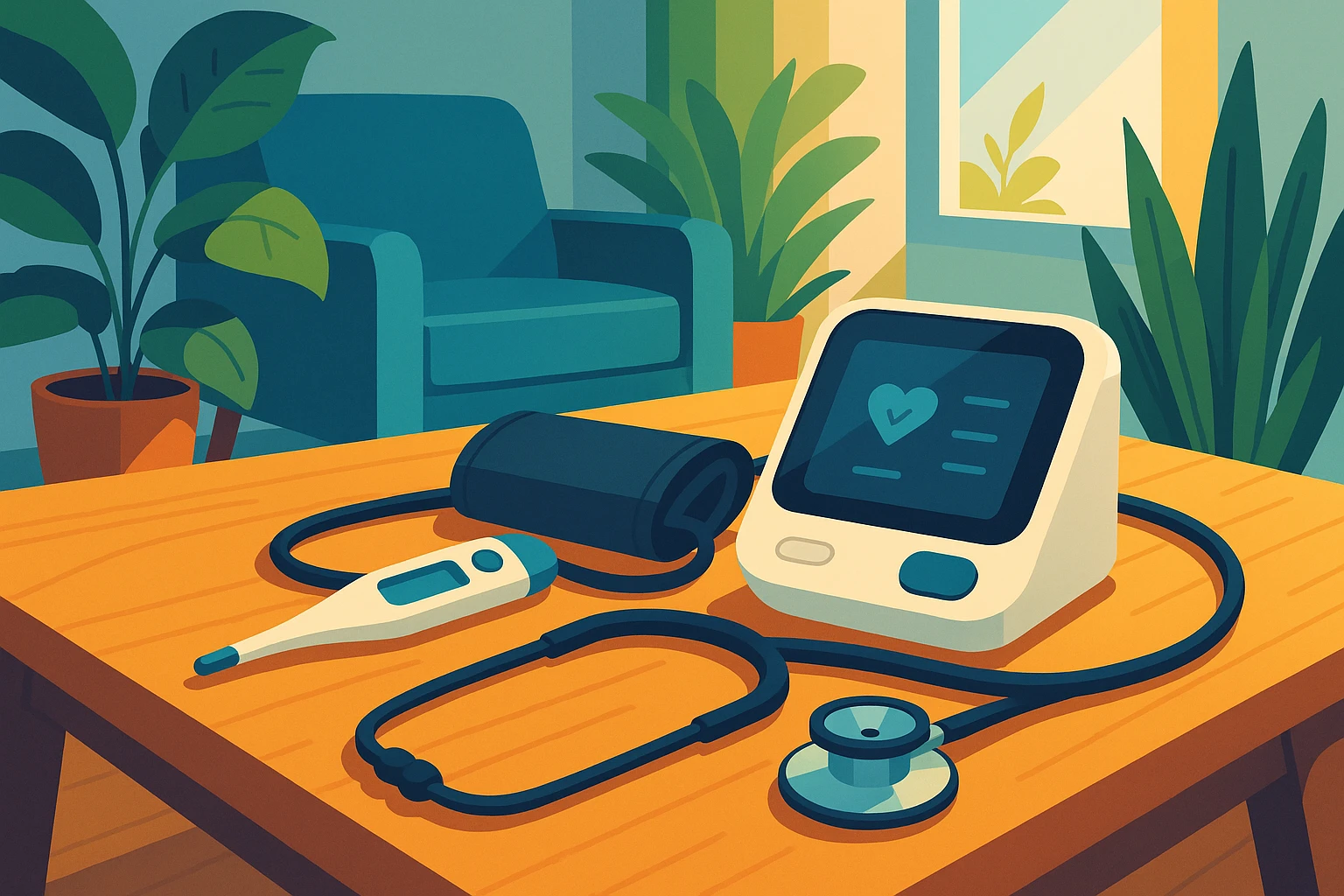
Virtual medical consultation is enhanced by integrating with advanced technologies such as artificial intelligence and wearable devices. These technologies enable more accurate diagnostics and monitoring. For instance, wearable health monitors can transmit real-time data to physicians, allowing for ongoing tracking of vital signs without the need for physical appointments. This integration fosters a proactive approach to health management, significantly improving patient outcomes.
As telehealth technology continues to evolve, platforms that support these integrations are becoming essential. ChatWithDr not only facilitates virtual consultations but also incorporates tools that allow both patients and doctors to utilize data from advanced healthcare technologies effectively. This integration ensures a comprehensive healthcare experience that is both modern and practical.
Operational Efficiency and Real-World Implementations
Building on earlier sections highlighting technological integrations, this section explores how virtual medical consultation platforms enhance healthcare efficiency and illustrate their real-world impact. Understanding operational benefits with tangible evidence provides actionable insights for both providers and organizations.
Streamlining Administrative Workflows
Many healthcare institutions leveraging virtual platforms report notable improvements in efficiency. For example, healthcare systems using integrated telemedicine solutions observed a 30% reduction in patient no-show rates and eliminated scheduling conflicts by up to 45%. Automated appointment reminders reduced administrative time, resulting in significant time savings for staff—estimated at an average of 2.5 hours per provider per week. These enhancements underscore how digital systems can optimize routine operations and free clinical teams to focus on care delivery MoldStud.
Specialty Consultations via E‑Consult Systems
Virtual consultations aren’t limited to patient-facing interactions. E‑consult models, connecting primary care physicians with specialists, offer substantial benefits. A Mayo Clinic study estimated annual cost savings of around $450,000 by reducing 1,800 in-person specialty referrals. Additionally, response times improved dramatically—from nearly eight days in traditional models to under 1.5 days using e‑consults. This model enhances care continuity and accelerates diagnosis, especially in non-urgent cases E‑consult (Wikipedia).
Scalable Virtual Hospital Models
Large-scale virtual hospital implementations demonstrate the evolving scope of virtual care. Mercy Virtual in Missouri operates a 300,000-square-foot virtual care center devoid of physical patient spaces. It remotely monitors conditions using digital devices and videoconferencing, collaborating with health systems across multiple states. Such models showcase the feasibility of coordinating complex care systems without traditional clinics, signaling a shift toward centralized, remote treatment infrastructure Mercy Virtual (Wikipedia).
Efficiency Gains and Provider Preferences
Efficiency from a provider perspective is also a driving factor in virtual care adoption. According to the 2024 Doximity State of Telemedicine Report, 83% of surveyed physicians would like telemedicine to remain a permanent part of their practice. This sentiment spans specialties, with psychiatrists, neurologists, oncologists, and endocrinologists expressing strong support. The widespread preference underscores virtual consultation’s growing integration into regular workflows and clinician satisfaction with remote care modalities Doximity’s 2024 State of Telemedicine Report.
Together, these operational illustrations—from workflow automation and efficient e‑consults to expansive virtual hospitals and physician satisfaction—demonstrate the transformative potential of these platforms. They deliver more than convenience; they provide scalable, sustainable, and efficient healthcare delivery solutions ready for broad implementation in today’s evolving health landscape.
Conclusion: Embracing the Future of Healthcare
The integration of virtual medical consultation into healthcare is not just a trend—it’s a transformation offering both patients and practitioners unparalleled advantages. As we’ve explored throughout this article, the ease of access, efficient use of time, and improved communication make it a game-changer for medical engagement.
Key Takeaways
For patients, the convenience of accessing healthcare from the comfort of their home reduces the barriers to receiving timely medical advice. Additionally, this approach enhances healthcare accessibility for those in remote areas, ensuring more inclusive care. According to a study by the American Medical Association, patients have seen a 30% faster diagnosis time when using virtual consultations compared to in-person visits. Learn more here.
Actionable Insights
Healthcare providers should actively incorporate virtual consultations into their offerings to meet the evolving preferences of patients. Doing so not only improves patient satisfaction but also streamlines operational efficiencies. For patients, embracing this technology encourages proactive health management. Engage with available digital platforms that offer user-friendly interfaces for seamless consultations.
Next Steps
For those ready to explore virtual health solutions further, consider utilizing platforms like ChatWithDr. This service connects users with certified professionals, simplifying the healthcare journey while maintaining quality care.
Overall, the future of healthcare lies in embracing technological advancements. By adapting to and advocating for virtual medical consultation, we can enhance healthcare delivery and improve patient outcomes. As the landscape continues to evolve, staying informed and proactive will be paramount in leveraging these advancements effectively.
Article Generated by Soogle
Related posts:
 The Ultimate Guide to Remote Medical Support Comprehensive Guide to Remote Health Care Solutions
  The Ultimate Guide to Virtual Doctor Visits: Navigating Your Online Healthcare Journey Harnessing the Power of Digital Health Support: A Comprehensive Guide The Ultimate Guide to Choosing a Telemedicine Service Provider