
Life on the road is often romanticized as the ultimate freedom, but for long-haul truck drivers and frequent travelers, it comes with a unique set of logistical nightmares: the most pressing being healthcare. When you are 500 miles from home and a sinus infection starts to set in, or you realize you’ve run out of essential medication, the traditional healthcare system fails you.
Traditional doctor's offices require appointments weeks in advance, and local urgent care centers often have long wait times and exorbitant out-of-network costs. For the trucking community, where 92% of drivers are considered overweight or obese and the risk of chronic conditions like hypertension is high, accessible healthcare isn't just a luxury; it’s a career necessity.
This guide explores how modern text-based telehealth is revolutionizing the way road warriors manage their health, ensuring you stay compliant with DOT requirements and keep your wheels turning safely.
The Unique Healthcare Challenges of the Road
The trucking industry faces a health crisis that is often invisible to the general public. Long hours of sedentary work, limited access to healthy food at truck stops, and the isolation of long-haul routes contribute to significant health risks.
According to industry research, the isolation of long-haul trucking often means minor health issues go untreated until they become serious. This "wait and see" approach can lead to emergencies that result in extended downtime or, worse, the loss of a commercial driver's license (CDL). Furthermore, the industry faces elevated rates of depression and anxiety, yet the geographical constraints of the job make consistent therapy or mental health check-ins nearly impossible.

The Logistics of a "Mobile Office"
For a driver, time is literally money. Pulling an 18-wheeler into a standard clinic parking lot is usually impossible. Finding a facility that can accommodate a large rig, waiting two hours in a lobby, and then navigating a complex billing system is a recipe for a missed delivery window. This is where online urgent care specifically designed for mobile users becomes an essential tool in your digital dashboard.
Why Text-Based Telehealth is the Superior Choice for Travelers
While many telehealth platforms focus on video calls, this can be a major hurdle for those traveling through rural areas with spotty cellular reception. Streaming high-definition video requires a robust data connection that isn't always available at a remote rest stop in Wyoming or a mountainous pass in the Appalachians.
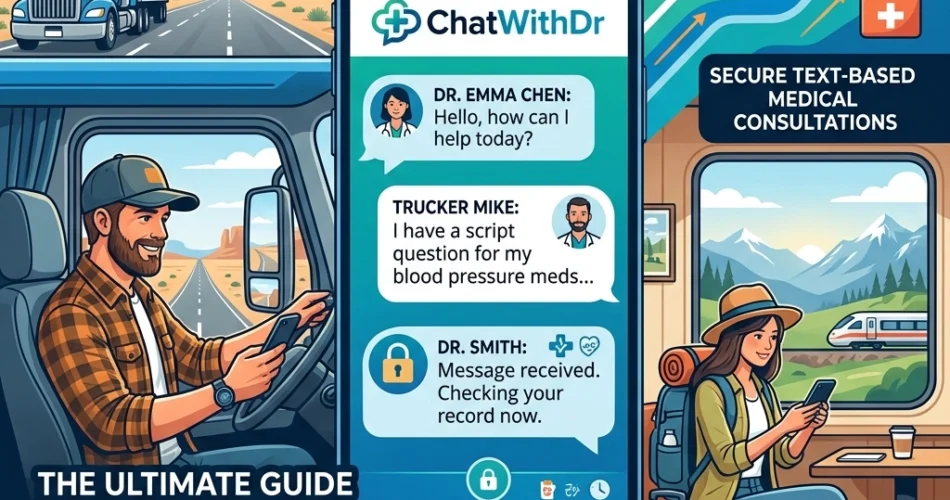
ChatWithDr utilizes a text-based, secure medical messaging platform. This approach offers several advantages for travelers:
- Low Bandwidth: If you can send a text or an email, you can consult with a doctor.
- Privacy: You can discuss sensitive health issues via text from your cab without being overheard in a public space.
- Efficiency: There is no need to wait on a video screen for a doctor to "enter" the room. You send your message and receive a response within 30 minutes to 4 hours average response time.
- No Appointments: When you’re on the road, you can't predict when you'll have a break. With ChatWithDr, no registration or appointment is required. You simply start a chat when you have a moment.
Common Conditions Managed on the Road
Most travelers don't need a specialist; they need quick relief for common ailments that, if left untreated, could ruin a trip or sideline a driver.
1. Urinary Tract Infections (UTIs)
For female drivers and travelers, UTIs are a frequent and painful occurrence due to long stretches between bathroom breaks. Accessing online UTI treatment allows for a quick diagnosis and a prescription for antibiotics sent to a pharmacy right on your route.
2. Respiratory Infections and Sinusitis
The constant change in climate and cabin air quality can lead to sore throats and cold or flu symptoms. A quick text-based consultation can help determine if you need prescription-strength medication or if over-the-counter remedies will suffice.
3. Medication Refills
One of the biggest stressors for travelers is realizing they are about to run out of blood pressure medication or other maintenance drugs. ChatWithDr offers online prescriptions for non-controlled substances, ensuring your chronic conditions remain managed even when you are thousands of miles from your primary care physician.

Navigating the DOT Physical and Chronic Conditions
For truck drivers, maintaining a DOT medical certification is the most critical aspect of their professional life. Telehealth can play a supportive role in managing the conditions that often threaten a driver's medical card, such as hypertension, Type 2 diabetes, and sleep apnea.
While a DOT physical must still be performed in person by a certified medical examiner, the management of the conditions found during that physical can be handled virtually. For instance, if a driver is told their blood pressure is slightly elevated, they can use online primary care to consult with a licensed US doctor about lifestyle changes or medication adjustments to bring those numbers down before their next certification.
The Financial Edge: $39.99 Flat-Rate Care
Healthcare costs are a significant concern for independent owner-operators and travelers without comprehensive employer-sponsored insurance. Traditional urgent care visits can cost anywhere from $150 to $300, and ER visits can easily climb into the thousands.
ChatWithDr simplifies the financial aspect with a $39.99 flat-rate per consultation.
- No Hidden Fees: You know exactly what you are paying before you start.
- No Insurance Required: This is ideal for those between jobs, contractors, or travelers whose insurance doesn't cover out-of-state visits.
- 24/7 Availability: Health issues don't follow a 9-to-5 schedule. Whether it's 2 AM at a truck stop or Sunday afternoon in a national park, the price remains the same.
This predictability allows you to budget for your health just as you would for fuel or maintenance.
How to Successfully Use Telehealth While Traveling
To get the most out of your virtual consultation, follow these best practices:
- Have Your Information Ready: Before you start the chat, have a list of your current medications, known allergies, and a brief history of your symptoms.
- Know Your Location: Be prepared to provide the address of a pharmacy near your current location or along your upcoming route.
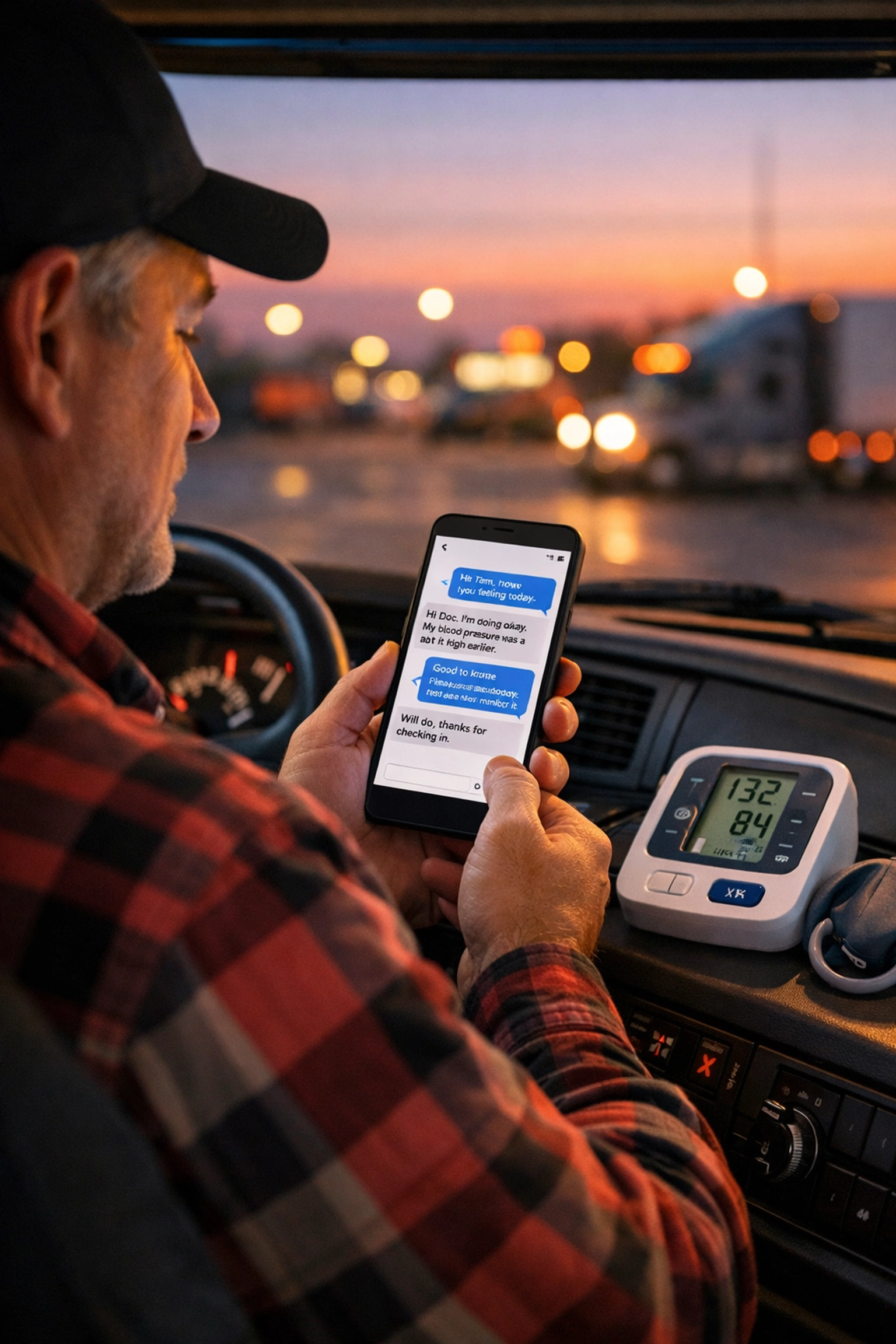
- Check Your Vitals: If you are a driver, it’s a good idea to keep a basic blood pressure cuff and a thermometer in your cab. Providing these numbers to the doctor via secure messaging can lead to a more accurate diagnosis.
- Download the App: While you can use the web interface, having the ChatWithDr app on your phone ensures you are always one tap away from medical advice.

Why Licensed US Doctors Matter
In the world of online health, quality varies wildly. Many "advice" sites use bots or international call centers. When your health: and your career: is on the line, you need to speak with a professional who understands the US healthcare system and pharmacy regulations.
Every consultation through ChatWithDr is handled by a licensed US doctor. This ensures that the telehealth services you receive are of the highest standard and that any prescriptions issued are valid at pharmacies across all 50 states.
Staying Healthy for the Long Haul
The transition to telehealth is not just about convenience; it’s about taking control of your health in a demanding environment. By utilizing 24/7 telehealth doctors, you eliminate the barriers of geography, time, and cost.
Whether you are a long-haul driver crossing state lines or a traveler exploring the country in an RV, having a doctor in your pocket means you never have to choose between your health and your journey.
To learn more about how the process works, visit how it works and see how easy it is to get started today.
Get the ChatWithDr App:
- iOS: Download on the App Store
- Android: Get it on Google Play
Disclaimer: This information is not a substitute for professional medical advice, diagnosis, or treatment. Always seek the advice of your physician or qualified health provider with questions regarding medical conditions or treatments.
Related posts:
 The Truck Driver's Guide to Getting Medical Care on the Road (24/7)
  The Ultimate Guide to Telehealth for Truckers: Getting Prescriptions Anywhere on the Road
  Telehealth for Truck Drivers and Travelers: How to Get a Prescription Without the Waiting Room
  Why Text-Based Care is Better for Travelers and Workers on the Road
  Why Text-Based Care is the Best Telehealth Option for Travelers and Road Workers