

Medically reviewed by licensed healthcare providers at ChatWithDr
If you've been researching weight loss medications in 2026, you've probably noticed that Wegovy and Zepbound are dominating the conversation. Both are GLP-1 medications that have revolutionized medical weight loss, but they're not identical twins: and choosing the wrong one could mean missing out on your weight loss goals or dealing with unnecessary side effects.
Let's cut through the marketing hype and look at what the clinical data actually shows about these two powerhouse medications.
The Quick Answer: Which One Works Better?
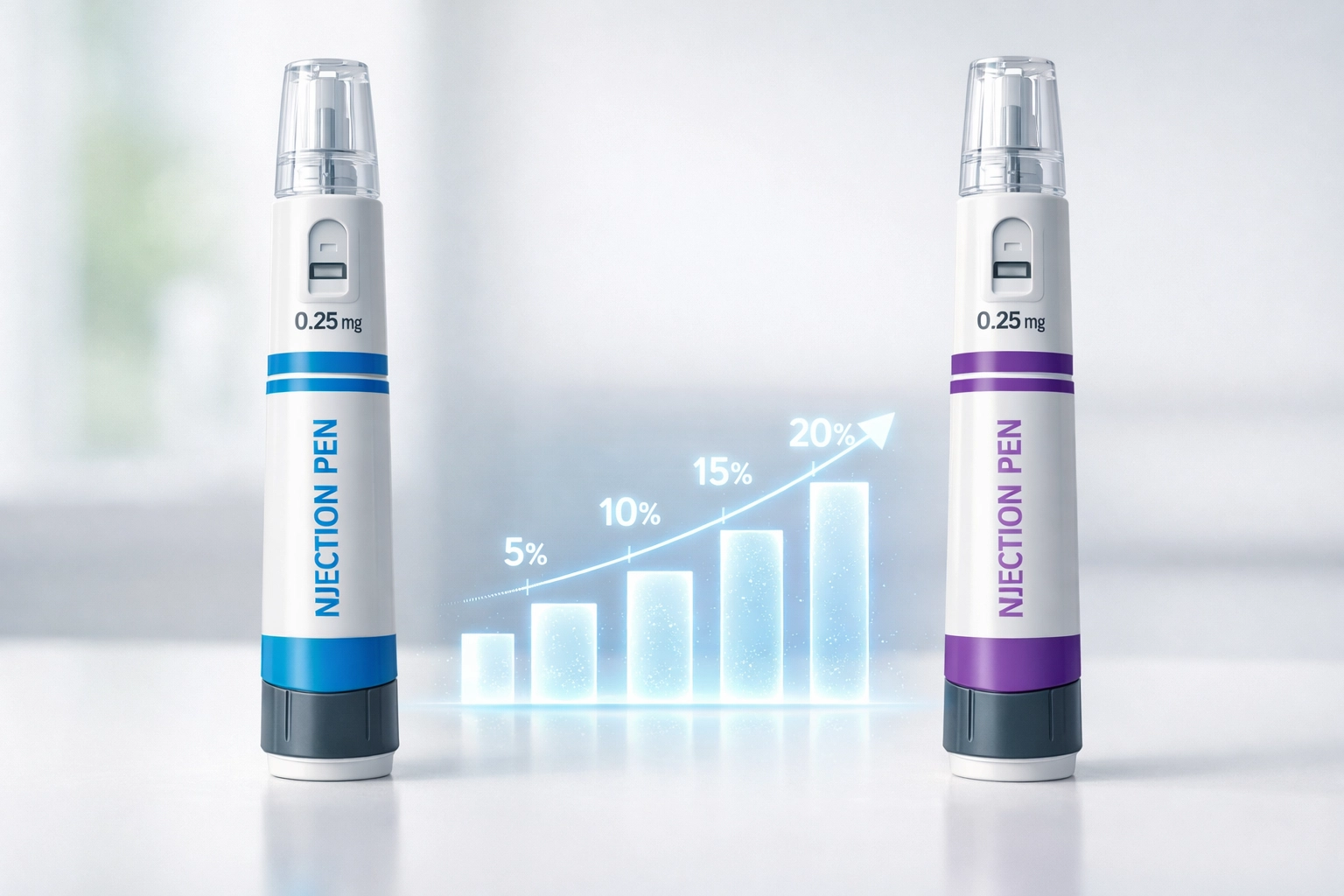
Here's the bottom line: Zepbound tends to produce more dramatic weight loss, with patients losing an average of 20.2% of their body weight (about 50 pounds) compared to Wegovy's 13.7% (about 33 pounds) over 72 weeks. But "better" isn't just about the number on the scale: it depends on your specific health situation, how well you tolerate the medication, and what your insurance will actually cover.
What Makes These Medications Different?
Both Wegovy (semaglutide) and Zepbound (tirzepatide) are injectable medications that help with weight loss by affecting your appetite and how your body processes food. But here's where they diverge:
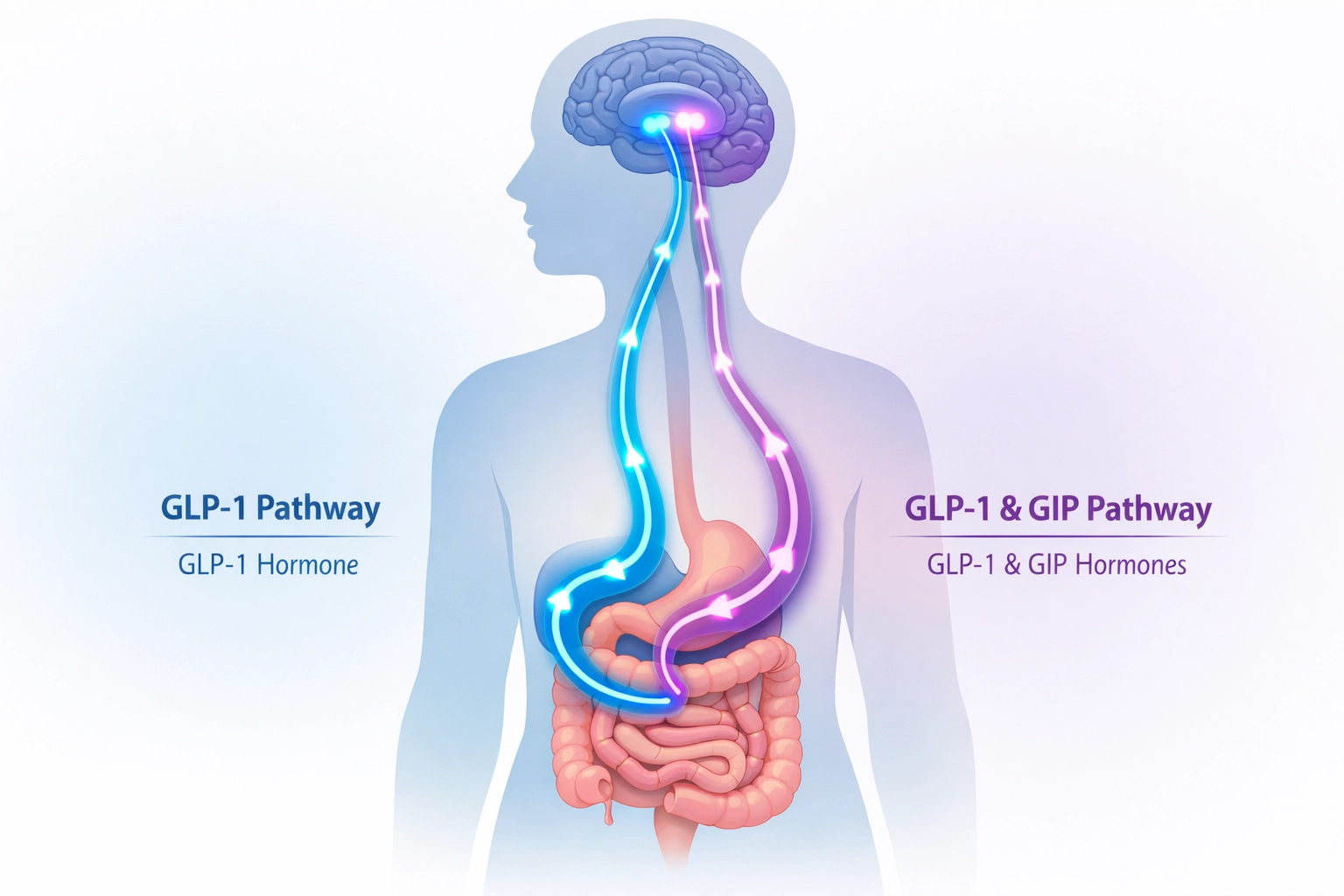
Wegovy works by targeting a single hormone called GLP-1, which signals to your brain that you're full and slows down how quickly food leaves your stomach. It's like having a volume control for your hunger signals.
Zepbound takes a dual-action approach. It targets both GLP-1 and another hormone called GIP, which plays a role in how your body handles blood sugar and stores fat. This double mechanism appears to be why Zepbound produces more significant weight loss in clinical trials.
Think of it this way: if Wegovy is turning down your hunger volume, Zepbound is turning down your hunger and adjusting how efficiently your body processes what you eat.
The Numbers Don't Lie: Clinical Trial Results
When researchers compared these medications head-to-head, the results were clear. In the SURMOUNT-1 trial, patients on the highest dose of Zepbound (15 mg) lost nearly 21% of their body weight after 72 weeks, while those on Wegovy's highest approved dose (2.4 mg) lost about 15%.
Here's what's particularly interesting: almost 32% of Zepbound patients lost at least a quarter of their starting body weight, compared to just 16% of Wegovy patients. That's a meaningful difference if you're starting at 250 pounds: we're talking about potentially losing 62 pounds instead of 40 pounds.
However, Novo Nordisk (Wegovy's manufacturer) is seeking FDA approval for a higher 7.2 mg dose that showed 19-21% weight loss in studies, which could narrow the gap significantly.
Side Effects: What to Actually Expect
Let's be honest: both medications can cause some uncomfortable side effects, especially when you're first starting or increasing your dose. The most common complaints include:
- Nausea (this is usually the big one)
- Diarrhea or constipation
- Fatigue
- Abdominal pain
- Headaches
- Dizziness
The intensity and type of side effects can vary between individuals and between the two medications. Some patients who experience significant fatigue on Zepbound find they tolerate Wegovy better, while others have the opposite experience with gastrointestinal side effects.

Dosing: How Fast Can You Ramp Up?
Here's another key difference: Zepbound has a faster titration schedule, meaning you can reach your maintenance dose more quickly than with Wegovy. This could mean seeing results sooner, but it might also mean more intense side effects during the adjustment period.
Wegovy uses a slower, more gradual dose escalation. This "low and slow" approach may help minimize side effects but extends the timeline before you're on your full therapeutic dose.
Important note: Both medications require commitment. These aren't quick fixes: you're looking at ongoing treatment that works best when combined with lifestyle changes.
Beyond the Scale: Additional Health Benefits
Weight loss isn't the only consideration. The FDA has approved these medications for different additional uses based on their clinical trial data:
Wegovy has shown cardiovascular benefits and is approved for reducing the risk of heart attack, stroke, and cardiovascular death in people with heart disease and obesity. It's also approved for treating fatty liver disease (MASH).
Zepbound has demonstrated benefits for obstructive sleep apnea, making it particularly interesting if you're dealing with both obesity and sleep issues.
Your specific health conditions should absolutely factor into which medication your doctor recommends.
The Format Factor: Injectable vs. Oral Options
As of 2026, Zepbound is only available as a weekly injection. Wegovy also comes as a weekly injection, but there's now an oral pill version available (Rybelsus uses the same active ingredient, semaglutide). If you have needle anxiety or prefer the convenience of a daily pill, this could be a deciding factor.
Cost and Insurance: The Frustrating Reality
Here's where things get complicated. Both medications have list prices around $1,000-$1,300 per month, which is prohibitive for most people without insurance coverage. Your insurance plan's formulary might cover one but not the other, or require you to try one before approving the other through a process called "step therapy."
Many insurance plans also require prior authorization, meaning your doctor needs to submit documentation proving medical necessity before coverage is approved. This process can take days or weeks.
Looking for a more straightforward path? At ChatWithDr, you can text with licensed doctors about weight loss medications for a flat rate of $39.99: no insurance needed, no surprise bills. You'll get a response in less than 2 hours, and if medically appropriate, your doctor can send prescriptions to your preferred pharmacy.
Who Should Choose Wegovy?
Consider Wegovy if you:
- Have cardiovascular risk factors or existing heart disease
- Have fatty liver disease (MASH)
- Prefer having the option of an oral medication
- Experience significant fatigue on Zepbound
- Find it's better covered by your insurance
- Prefer a slower dose titration schedule
Who Should Choose Zepbound?
Zepbound might be your better choice if you:
- Want maximum weight loss potential
- Have obstructive sleep apnea
- Have already tried Wegovy without adequate results
- Tolerate the medication well
- Don't mind (or prefer) a faster dose escalation
- Have insurance coverage for it
The Qualifying Question: Am I Even Eligible?
Both medications are FDA-approved for adults with:
- A BMI of 30 or higher (obesity), OR
- A BMI of 27 or higher (overweight) with at least one weight-related health condition like high blood pressure, type 2 diabetes, or high cholesterol
Your doctor will also review your medical history to ensure you don't have contraindications like a personal or family history of medullary thyroid cancer or multiple endocrine neoplasia syndrome type 2.
Getting Started: Your Next Steps
Making the decision between Wegovy and Zepbound isn't something you should do based on a blog post alone. You need a licensed healthcare provider who can review your complete medical history, current medications, and specific health goals.
The traditional route involves booking an office appointment, taking time off work, sitting in a waiting room, and potentially waiting weeks for a follow-up on prior authorization. But there's a faster way.
Through ChatWithDr's text-based consultations, you can discuss your weight loss goals with a licensed physician from wherever you are. No video calls, no appointments: just secure medical messaging that fits into your actual life. Our doctors can review your medical history, discuss which GLP-1 medication might work best for your situation, and if appropriate, send prescriptions directly to your pharmacy.
The best part? It's $39.99 flat rate with no account required, and you'll typically hear back from a doctor in under 2 hours.
The Reality Check: These Aren't Magic Pills
Whether you choose Wegovy or Zepbound, success requires more than just weekly injections. The most successful patients combine these medications with sustainable changes to their eating habits and physical activity. The medications make it easier by reducing hunger and cravings, but they work best as part of a comprehensive approach to weight management.
Both medications are intended for long-term use. Studies show that most patients regain significant weight if they stop the medication, which is why ongoing treatment and lifestyle modification are crucial for maintaining results.
Making Your Decision
Zepbound delivers more dramatic weight loss on average, making it the choice for maximum results. But Wegovy offers additional cardiovascular and liver benefits, comes in oral form, and may be better tolerated or covered by some patients.
The "right" choice isn't universal: it's personal. It depends on your health profile, your side effect tolerance, your insurance coverage, and what your doctor recommends based on your individual situation.
Ready to explore which option makes sense for you? Chat with a licensed doctor at ChatWithDr and get personalized guidance without the hassle of traditional office visits.
Your weight loss journey deserves a medication that's tailored to your needs: not just what happens to be trending on social media.
Related posts:
 Wegovy vs Zepbound: Which Is Better For Your Weight Loss Goals?
  Wegovy vs Zepbound: Which GLP-1 Medication Is Right for Your Weight Loss Goals?
  Wegovy vs Zepbound: Which Is Better For Your Weight Loss Goals?
  How to Get a Wegovy Prescription Online in Under 2 Hours (No Appointment Needed)
  How to Get a Wegovy or Zepbound Prescription Online in Under 2 Hours (No Appointment Needed)