
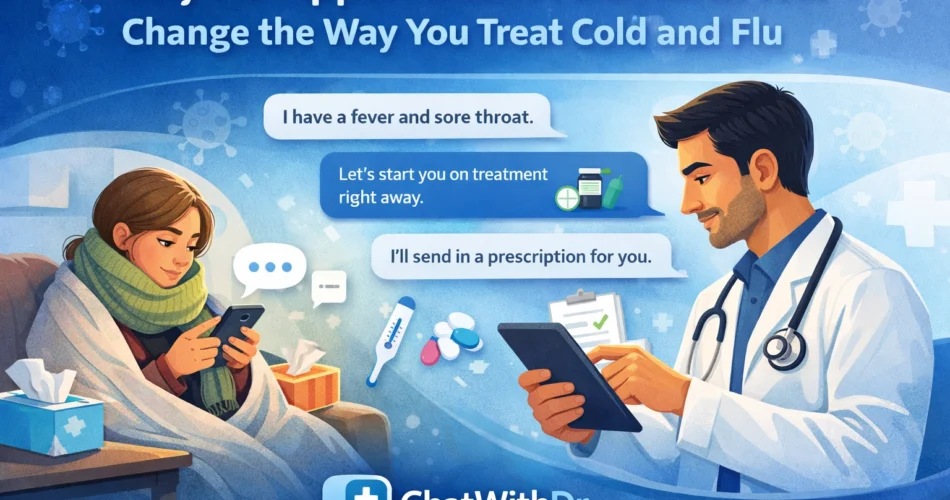
The arrival of cold and flu season used to mean one thing: a logistical nightmare. Between the pounding headache and the uncontrollable sneezing, patients were historically forced to choose between two unpleasant options. They could either wait days for an appointment with a primary care physician or spend hours sitting in a germ-filled waiting room at a physical urgent care clinic.
However, the landscape of modern medicine is shifting. The rise of no-appointment telehealth is not just a minor convenience; it is a fundamental shift in how we approach acute respiratory illnesses. By removing the barriers of scheduling and travel, platforms like ChatWithDr are enabling patients to receive professional medical guidance at the exact moment symptoms appear. This "on-demand" model is particularly revolutionary for treating the flu, where timing is everything.
The 48-Hour Window: Why Speed is Clinical, Not Just Convenient
When it comes to the influenza virus, the clock starts ticking the moment you feel that first scratchy throat or muscle ache. Medical research consistently shows that antiviral medications, such as oseltamivir (Tamiflu), are most effective when administered within the first 48 hours of symptom onset. According to research regarding antiviral efficacy, starting treatment early can shorten the duration of the illness by one to two days and significantly reduce the risk of severe complications.
In a traditional healthcare setting, hitting this 48-hour window is often a matter of luck. If your symptoms start on a Friday night, you might not see a doctor until Monday or Tuesday, well outside the optimal treatment phase. No-appointment telehealth eliminates this "wait-and-see" danger. Because services are available 24/7, a patient can initiate a consultation at 2:00 AM on a Saturday and have a treatment plan in place before sunrise. This immediate access to online urgent care ensures that the therapeutic window is captured, potentially saving patients days of misery.

Breaking Down the Barriers to Care
Why do people delay seeking help for a cold or the flu? Usually, it isn't because they don't feel sick; it's because the "cost" of seeking care: in terms of time, effort, and money: outweighs the perceived benefit.
1. The Logistics of the Sick
When you have a fever of 102 degrees, the last thing you want to do is get dressed, drive through traffic, and navigate a parking lot. For parents, the challenge is doubled; they must either drag a sick child to a clinic or find childcare for their other children while they seek care for themselves. Telehealth allows for a comprehensive evaluation from the comfort of your bed. Through secure medical messaging, you can describe your symptoms, upload photos of a thermometer reading or a red throat, and receive a diagnosis without ever leaving your home.
2. The Waiting Room Risk
Traditional urgent care centers are, by definition, hubs for infectious diseases. Sitting in a waiting room for two hours during peak flu season exposes you to a cocktail of pathogens, from strep throat to RSV. For individuals with weakened immune systems or those who simply have a mild cold, the risk of "catching something worse" at the doctor's office is a legitimate concern. Virtual care removes this risk entirely, protecting both the patient and the community by containing the spread of viruses.
3. Transparent Pricing
The fear of an unexpected medical bill often keeps people from seeking help. Many traditional clinics have complex billing structures, and emergency room visits for "flu-like symptoms" can result in bills totaling hundreds or thousands of dollars. ChatWithDr simplifies this with a $39.99 flat rate for consultations. There are no hidden fees, no insurance hurdles to jump through, and no account is required to start. This price transparency makes high-quality medical care accessible to everyone, regardless of their insurance status.
The Advantage of Text-Based Care
While many think of telehealth as a video call, the most efficient way to treat common illnesses is actually through text-based, secure medical messaging.
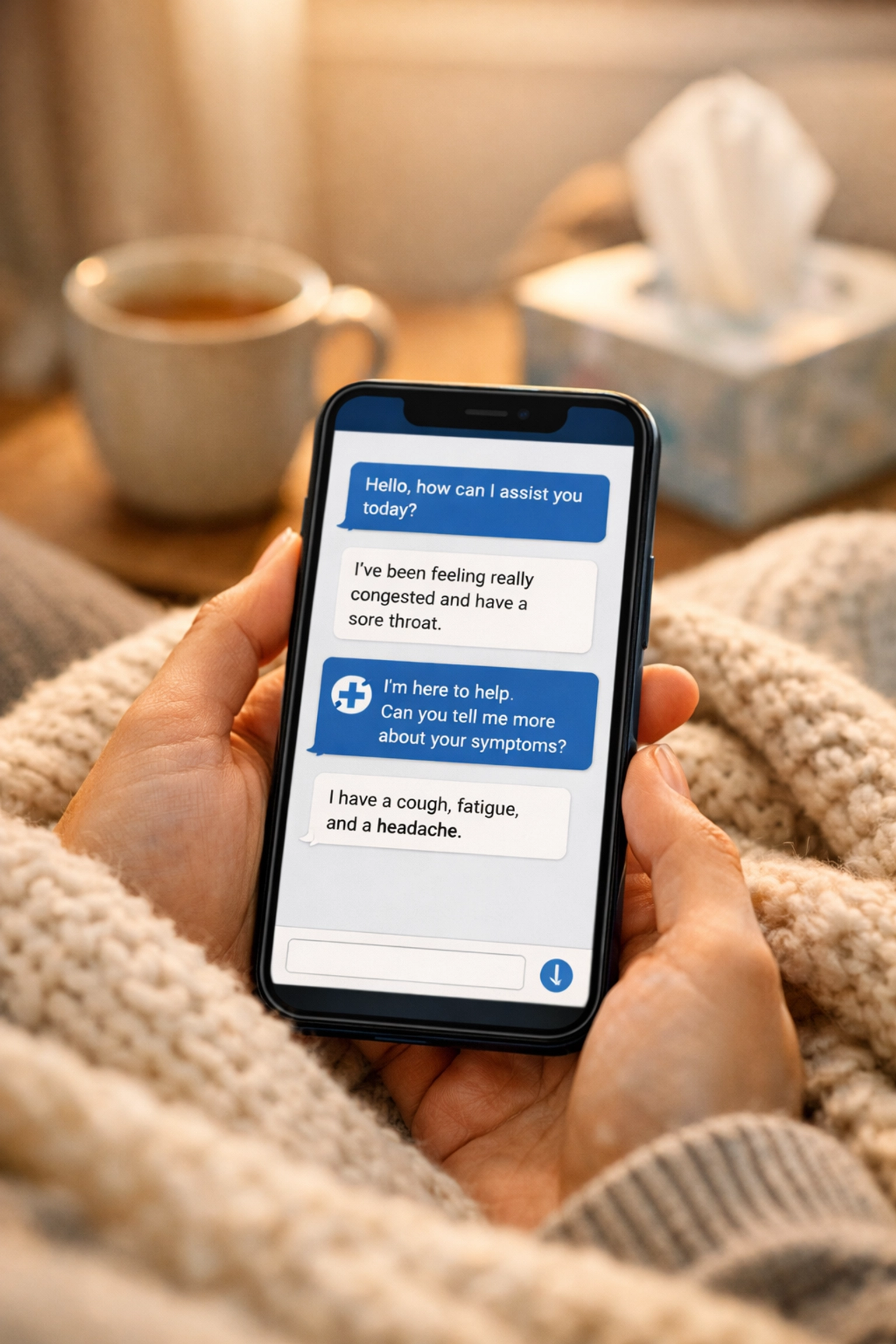
Text-based care offers several distinct advantages for patients suffering from cold and flu symptoms:
- Privacy and Comfort: If you have lost your voice or have a painful sore throat, the last thing you want to do is talk. Texting allows you to communicate clearly without physical strain.
- Record of Care: In a text-based consultation, you have a written record of the doctor’s instructions, dosage requirements, and follow-up advice. You don't have to worry about forgetting what the doctor said while you were feeling "fever-brained."
- Asynchronous Convenience: You can send your information and then rest. When the doctor responds: typically within 30 mins – 4 hrs: you will receive a notification. There is no need to stay "on the line" or stare at a camera while waiting for a provider to join.
Beyond the Common Cold: Treating Secondary Infections
Often, what starts as a simple cold can progress into something more complicated. This is where the expertise of a licensed physician becomes vital. If a viral cold leads to a bacterial sinus infection, the treatment path changes significantly.
Through a virtual consultation, a doctor can determine if you need sinus infection antibiotics online or if your symptoms suggest you need strep throat treatment online. By evaluating the duration of symptoms, the color of nasal discharge, and the presence of specific pain points, providers can distinguish between viral and bacterial infections. If a prescription is necessary, it can be sent directly to your local pharmacy, often within hours of your initial message.

How It Works: Your Path to Feeling Better
The process of using a no-appointment telehealth service like ChatWithDr is designed to be as frictionless as possible. We recognize that when you are sick, your cognitive load is low; you need a system that works the first time.
- Visit the Platform: Head to chatwithdr.com or download the ChatWithDr app.
- Describe Your Symptoms: Use our secure messaging interface to explain what’s wrong. Mention your symptoms, how long they’ve lasted, and any over-the-counter medications you’ve already tried. You can find specific forms for cold, flu, and COVID-19 to speed up the process.
- Payment: Pay the $39.99 flat fee. Remember, there is no account creation necessary, which saves you from the "forgotten password" cycle.
- Connect with a Doctor: A licensed medical professional will review your case. They may ask follow-up questions to ensure an accurate diagnosis.
- Receive Your Plan: You will receive a personalized treatment plan. If medication is required, the online prescription is sent to the pharmacy of your choice.
To learn more about the specifics of our process, you can visit our How It Works page.
The Future of Urgent Care is Digital
The transition to no-appointment telehealth represents a move toward patient-centered care. In the old model, the patient’s life had to revolve around the healthcare system’s schedule. In the new model, healthcare fits into the patient’s life.
Whether you are dealing with a suspected case of pink eye, a recurring UTI, or a standard seasonal flu, the ability to "text a doctor" changes the emotional experience of being sick. It replaces anxiety and wait times with clarity and immediate action.

As we move forward, the integration of technology and medicine will only deepen. However, the core mission remains the same: providing fast, affordable, and professional care when people need it most. No-appointment telehealth isn't just a trend; it's the new standard for treating the common ailments that affect us all.
If you’re feeling under the weather, don't wait for things to get worse. Experience the ease of online primary care and get back to your life faster.
Disclaimer: This information is not a substitute for professional medical advice, diagnosis, or treatment. Always seek the advice of your physician or qualified health provider with questions regarding medical conditions or treatments.
Related posts:
 Tonsillitis vs Strep Throat What’s the Real Difference
  Strep Throat vs Sore Throat: How to Tell the Difference
  Why Online Urgent Care Will Change the Way You Treat the Cold and Flu
  Cold, Flu & COVID Treatment Online: Fast Relief Without the Waiting Room
  Online Flu Treatment: How to Manage Cold, Flu, and COVID Symptoms from Home